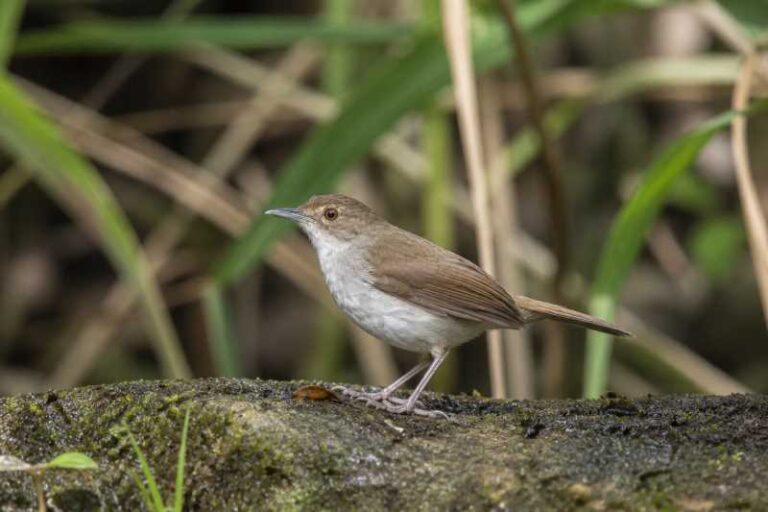
The California Scrub-Jay: A Quintessential Western Bird
The California Scrub-Jay (Aphelocoma californica) is a strikingly beautiful bird native to the western United States. Known for its vibrant blue plumage and lively behavior, this bird is a common sight in California, Oregon, and parts of Nevada. As a member of the Corvid family, which also includes crows and ravens, the California Scrub-Jay is renowned for its intelligence and adaptability.
Physical Characteristics
The California Scrub-Jay is a medium-sized bird, measuring approximately 11 to 12 inches in length with a wingspan of about 15 inches. Its most distinguishing feature is its vivid blue feathers, which cover its head, wings, and tail. The bird’s back and underparts are grayish, while its face and throat display a distinctive white pattern, giving it a sharp, contrasting appearance. These jays possess strong, black bills and legs, which aid in their foraging and nesting activities.
Habitat and Distribution
Primarily found along the Pacific Coast, the California Scrub-Jay inhabits a variety of environments ranging from oak woodlands, scrublands, and suburban areas to parks and gardens. Their adaptability to different habitats is a testament to their resilience and resourcefulness. This bird’s range extends from the Baja California Peninsula in Mexico through California and into western Nevada and Oregon.
Behavior and Diet
California Scrub-Jays are known for their bold and curious nature. They are often seen hopping along the ground searching for food or perched conspicuously on tree branches. Their diet is quite varied and includes insects, seeds, fruits, and small animals. A particularly notable behavior of the California Scrub-Jay is its habit of caching food. They are adept at storing food items like acorns and nuts in the ground or within tree bark, a strategy that ensures a food supply during harsher seasons.
These birds are highly intelligent and exhibit problem-solving abilities and complex social behaviors. They are known to engage in playful activities and can recognize individual humans, often remembering those who feed them or pose a threat. Their social structure is typically monogamous, with pairs forming strong bonds that last for many years.
Reproduction
The breeding season for California Scrub-Jays usually begins in March and can last through July. During this time, pairs will construct cup-shaped nests made of twigs, leaves, and grasses, typically situated in dense shrubs or trees. The female lays between three to six eggs, which she incubates for about 16 to 18 days. Both parents participate in feeding and caring for the chicks until they fledge, which occurs approximately 18 to 20 days after hatching.
Conservation Status
The California Scrub-Jay is currently listed as a species of least concern by the International Union for Conservation of Nature (IUCN), indicating that its population is stable. However, like many native species, it faces challenges from habitat loss and fragmentation due to urban development and agricultural expansion. Conservation efforts aimed at preserving natural habitats and promoting biodiversity are crucial for ensuring the continued survival of this avian species.
Cultural Significance
Culturally, the California Scrub-Jay occupies a special place in the hearts of many Californians. Its presence in urban and rural areas alike makes it a familiar and cherished bird. Its bold personality and striking appearance have made it a popular subject in art and literature, symbolizing the rugged beauty and resilience of the natural landscape of the American West.
In conclusion, the California Scrub-Jay is more than just a common bird; it is an emblem of the vibrant and diverse ecosystems of the western United States. Its intelligence, adaptability, and striking appearance make it a fascinating subject for bird enthusiasts and a beloved part of the region’s natural heritage.
Related posts