The Elusive Malayan Swamp Babbler: A Deep Dive into its Habitat, Behavior, and Conservation
Introduction
The Malayan Swamp Babbler, scientifically known as Pellorneum rostratum, is a captivating avian species that thrives in the lush, humid environments of Southeast Asia. This intriguing bird, belonging to the family Pellorneidae, is predominantly found in the dense swamplands and lowland forests of Malaysia, Indonesia, and Thailand. Despite its seemingly inconspicuous presence, the Malayan Swamp Babbler plays a crucial role in its ecosystem, offering unique insights into the biodiversity of these regions.
Habitat and Distribution
The Malayan Swamp Babbler is a habitat specialist, primarily residing in freshwater swamp forests and marshy environments. These birds are particularly prevalent in areas where dense vegetation and ample water sources provide a rich supply of insects, their primary food source. The lowland forests, characterized by high humidity and a dense canopy, create an ideal setting for these birds to thrive.
The geographical distribution of the Malayan Swamp Babbler is relatively narrow, confined mostly to the Malay Peninsula and parts of Borneo and Sumatra. Despite their limited range, these birds are adept at adapting to changes within their environment, a testament to their resilience and ecological importance.
Physical Characteristics
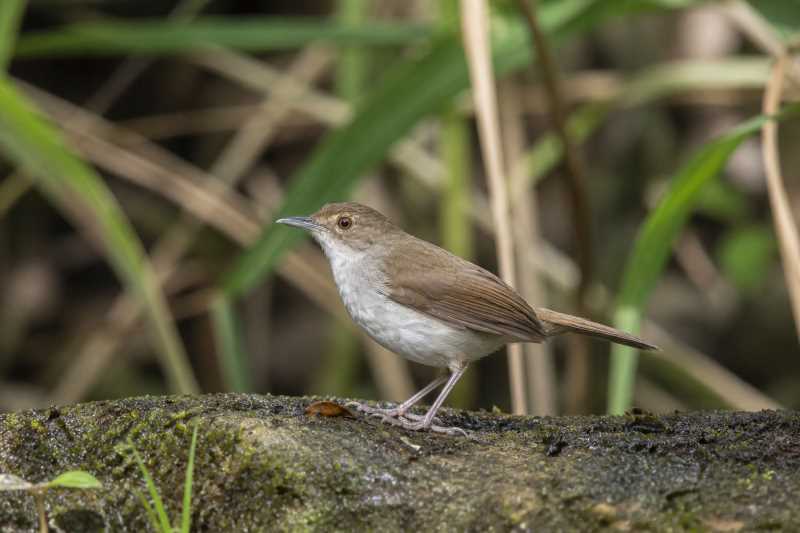
The Malayan Swamp Babbler is a small, unobtrusive bird, measuring about 16-18 centimeters in length. Its plumage is predominantly brown, with subtle variations that provide excellent camouflage amidst the muddy undergrowth and foliage. The bird’s underparts are lighter, often a pale buff or whitish color, creating a stark contrast with its darker upperparts.
One of the distinguishing features of the Malayan Swamp Babbler is its long, slightly curved bill. This adaptation is particularly effective for probing into the soil and leaf litter in search of insects and other invertebrates. Its eyes are typically a deep brown, lending an inquisitive expression that belies its shy and retiring nature.
Behavioral Traits
The Malayan Swamp Babbler is a highly social bird, often found in small, cohesive groups. These birds are known for their complex vocalizations, which play a pivotal role in maintaining group cohesion and territory defense. Their calls range from soft whistles to more melodious notes, each serving a specific purpose in their communication repertoire.
Foraging primarily occurs at ground level, where these birds diligently search for insects, spiders, and other small invertebrates. Their feeding behavior is characterized by a methodical approach, with individuals often observed flipping over leaves and probing the soft soil with their bills.
Reproduction and Lifespan
The breeding season for the Malayan Swamp Babbler typically coincides with the rainy season, ensuring a plentiful supply of food for their offspring. Nests are usually constructed close to the ground, hidden within dense vegetation to protect against predators.
Clutch sizes are generally small, with the female laying between two to four eggs. Both parents participate in incubation and rearing of the chicks, showcasing a strong bond and cooperative breeding strategy. The lifespan of the Malayan Swamp Babbler in the wild is still a subject of study, but like many small birds, they are believed to have relatively short lifespans, rarely exceeding a decade.
Conservation Status
The Malayan Swamp Babbler is currently listed as Near Threatened on the IUCN Red List. The primary threat facing this species is habitat loss, driven by deforestation, agricultural expansion, and the draining of swamplands for development. The fragmentation of their natural habitat poses significant challenges to their survival, as it limits their ability to find food and reproduce successfully.
Conservation efforts are underway to protect the remaining habitats of the Malayan Swamp Babbler. These initiatives often involve habitat restoration, establishment of protected areas, and community engagement to promote sustainable land use practices. Researchers are also actively studying the species to gather more data on their ecology and behavior, which will inform future conservation strategies.
Conclusion
The Malayan Swamp Babbler is a remarkable example of the rich biodiversity found in Southeast Asia’s wetland ecosystems. Despite facing numerous threats, this bird continues to captivate ornithologists and birdwatchers alike with its unique adaptations and behaviors. Ensuring the survival of the Malayan Swamp Babbler requires concerted conservation efforts and a commitment to preserving the delicate balance of their natural habitats. Through these efforts, we can hope to secure a future for this enigmatic species and the myriad of life forms that share its environment.
Related posts