The Cinnamon Hummingbird: A Jewel of the Americas
The Cinnamon Hummingbird (Amazilia rutila), a diminutive and vibrant avian species, is one of nature’s most captivating creatures. Known for its iridescent plumage and remarkable flying abilities, this hummingbird species is native to regions ranging from Mexico to Costa Rica. With its striking appearance and ecological significance, the Cinnamon Hummingbird plays a vital role in the ecosystems it inhabits.
Physical Characteristics
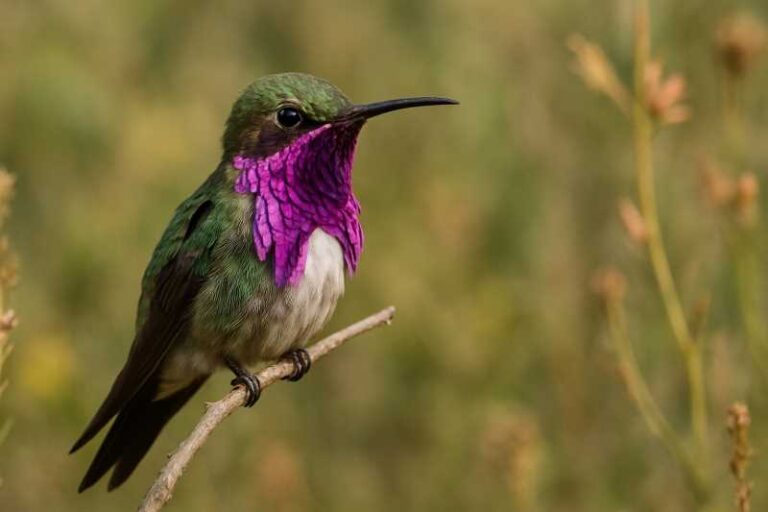
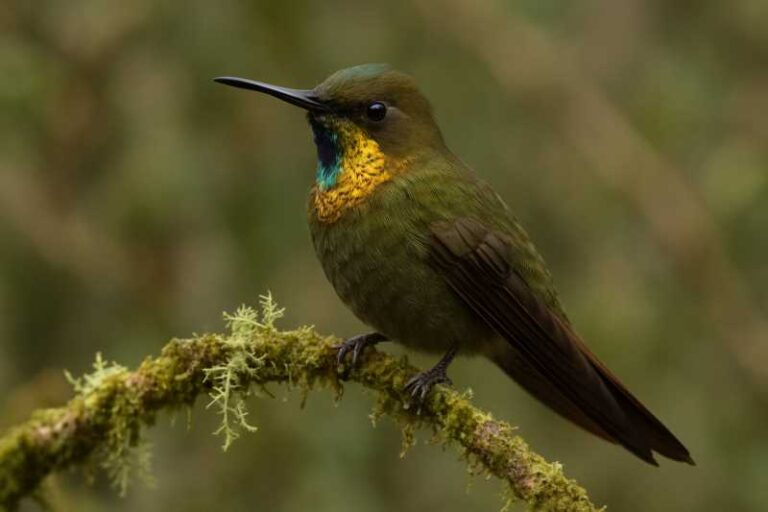
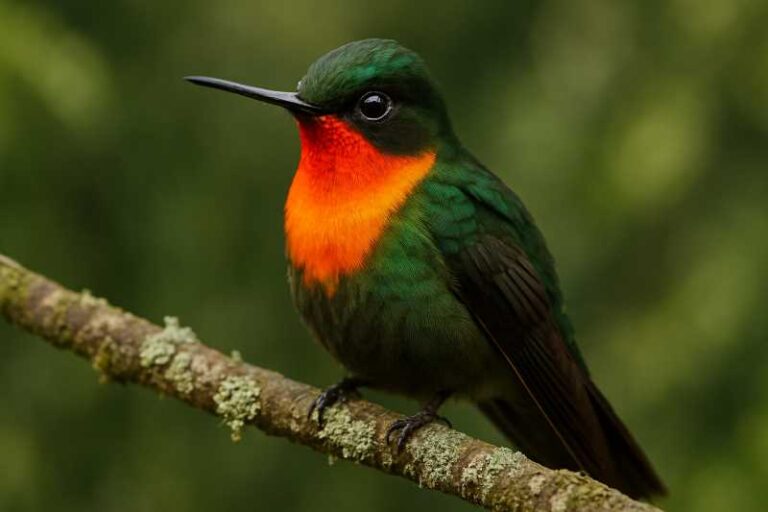
The Cinnamon Hummingbird is aptly named for its distinctive cinnamon-colored underparts, which contrast beautifully with its greenish-bronze upperparts. Measuring about 10 cm in length and weighing approximately 3-4 grams, it is a small but resilient bird. Its short, straight bill is well-adapted for sipping nectar from flowers, which is its primary food source. The bird’s wings beat at an astonishing rate, allowing it to hover with precision and agility.
Habitat and Distribution
This species is typically found in semi-open habitats such as gardens, plantations, and savannas. The Cinnamon Hummingbird thrives in areas where flowering plants are abundant, as these provide essential nectar. It is commonly seen in both rural and suburban areas, often frequenting gardens with abundant flowering shrubs and trees. Its range extends from the coastal lowlands of Mexico through Central America to northwestern Costa Rica.
Behavior and Diet
The Cinnamon Hummingbird is a solitary creature, except during the breeding season. It is fiercely territorial, often engaging in aerial combat to defend its feeding areas. Its diet primarily consists of nectar, which it extracts with its specialized tongue, but it also consumes small insects and spiders to supplement its protein intake.
During feeding, the hummingbird’s metabolism is in high gear, necessitating frequent visits to flowers to maintain energy levels. Remarkably, the bird can remember the location of individual flowers and their nectar status, showcasing its cognitive abilities.
Breeding and Nesting
Breeding season for the Cinnamon Hummingbird varies by region but generally occurs during the dry season when food resources are more predictable. The female constructs a tiny cup-shaped nest, using plant fibers, feathers, and spider silk, which provides elasticity and strength. These nests are often built on horizontal branches or in protected areas to shield from predators and environmental elements.
The female lays two white eggs, which she incubates for about 14-19 days. Upon hatching, the chicks are altricial, meaning they are born blind and without feathers, requiring significant parental care. The mother feeds them regurgitated nectar and insects, ensuring they receive the necessary nutrients to grow and fledge.
Conservation Status
Currently, the Cinnamon Hummingbird is classified as a species of Least Concern by the International Union for Conservation of Nature (IUCN). However, like many other wildlife species, it faces threats from habitat destruction and climate change. Conservation efforts are vital to ensure that these birds continue to thrive in their natural habitats.
Ecological Importance
Hummingbirds, including the Cinnamon Hummingbird, are essential pollinators. As they move from flower to flower in search of nectar, they inadvertently transfer pollen, facilitating plant reproduction. This pollination is crucial for the health of ecosystems and the agricultural systems that depend on flowering plants.
In summary, the Cinnamon Hummingbird is more than just a visual spectacle; it is a cornerstone species in its habitat. Its vibrant presence and ecological contributions underscore the importance of conserving such species to maintain the balance of natural ecosystems. Protecting their habitats ensures that these remarkable birds continue to enchant and contribute to biodiversity.
The Cinnamon Hummingbird serves as a reminder of the intricate web of life and the delicate balance required to sustain it. As humans, understanding and valuing such species is crucial in our efforts to preserve the natural world for future generations.
Related posts