The American Redstart is a striking and energetic member of the New World warbler family, known for its dramatic plumage and acrobatic foraging behavior. Found across North and Central America during various times of the year, this species is a favorite among birdwatchers for its flaring tail, rapid movements, and bright coloration. Despite its small size, the American Redstart is full of character and plays an important ecological role in forested habitats throughout its range.
Identification and Appearance
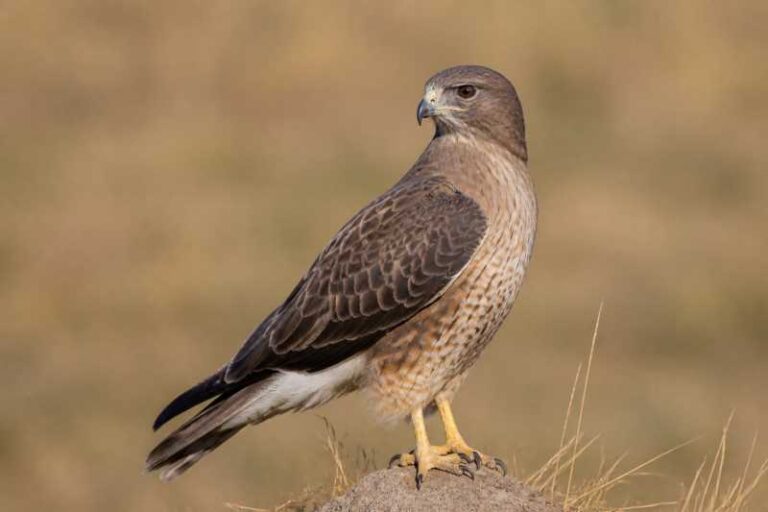
The adult male American Redstart is among the most distinctive of North America’s warblers. It sports jet-black plumage contrasted with vivid orange patches on the wings, sides, and tail. These orange markings are used not just for identification but also play a role in flushing insects from foliage, which the bird then quickly snatches in midair. The belly is white, offering a sharp contrast to the rest of its dark and fiery ensemble.
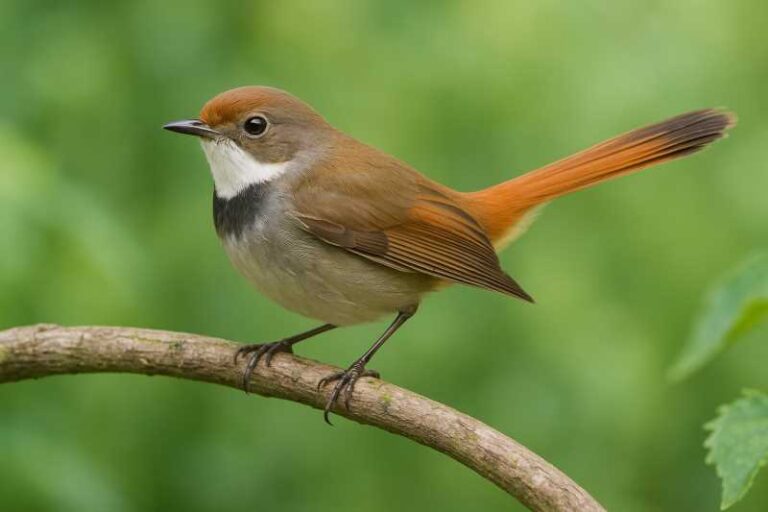
Females and immature males are more subtly colored but equally beautiful in their own right. They are olive-gray above with soft yellow patches replacing the male’s orange. Their underparts are whitish, and their tails still show the distinctive flashing pattern when fanned. These color differences often lead to misidentification, especially among beginner birders, but careful observation reveals their shared silhouette and behavior.
Distribution and Habitat
American Redstarts are neotropical migrants, breeding across much of the eastern United States and southern Canada. During the breeding season, they are commonly found in deciduous and mixed woodlands, especially in areas near water. They prefer habitats with dense understory, which provides shelter and ample food sources.
Come fall, American Redstarts embark on an impressive migration, traveling to wintering grounds in Central America, the Caribbean, and the northern parts of South America. During migration and winter, they can be found in tropical forests, mangroves, and shrubby clearings, often alongside other warbler species.
Behavior and Diet
One of the most remarkable traits of the American Redstart is its foraging style. Unlike many other warblers that hop methodically through foliage, redstarts are known for their active, darting movements. They frequently fan their tails and wings, flashing the bright patches to startle insects out of hiding. This unique “flush-pursuit” method makes them a joy to watch, as they dart and flutter through the air in short, agile flights.
Their diet consists mainly of insects and other arthropods. During the breeding season, they feed heavily on caterpillars, beetles, and flies. In the non-breeding season, they will also consume small berries and fruit, particularly when insect prey is scarce.
Breeding and Nesting
The breeding season begins in late spring. Males arrive on the breeding grounds ahead of females to establish and defend territories, often singing a sweet, high-pitched series of notes that signal both presence and readiness to mate. Their song is one of the more melodious among warblers, often described as a series of accelerating and rising whistles.
Females build cup-shaped nests in the fork of a small tree or shrub, typically 1–3 meters off the ground. The nest is constructed from grasses, bark strips, and spider silk, lined with softer materials like feathers and hair. She lays 3–5 eggs, which she incubates alone for about 10–13 days. Both parents feed the young, which fledge roughly 9 days after hatching.
Conservation and Threats
Although still common and widespread, American Redstarts face a number of threats, particularly related to habitat loss. Deforestation in both breeding and wintering grounds can negatively impact populations. Climate change also poses a challenge by potentially altering migratory timing and food availability.
Fortunately, the species is currently listed as Least Concern by the IUCN, and conservation efforts focused on preserving forested habitats across the Americas are crucial for maintaining healthy populations. The American Redstart also benefits from protected areas, migratory bird agreements, and citizen science initiatives like bird banding and breeding bird surveys.
A Favorite Among Birders
Because of their dazzling appearance, bold behavior, and widespread distribution, American Redstarts are often a highlight of spring and fall birdwatching. Their presence in both urban parks and remote forests makes them accessible to birders of all levels. Watching a redstart flit and flash through sun-dappled branches is one of the season’s great avian delights.
Whether you’re a seasoned birder or just beginning to explore the fascinating world of warblers, the American Redstart is a species that never fails to impress.
Related posts