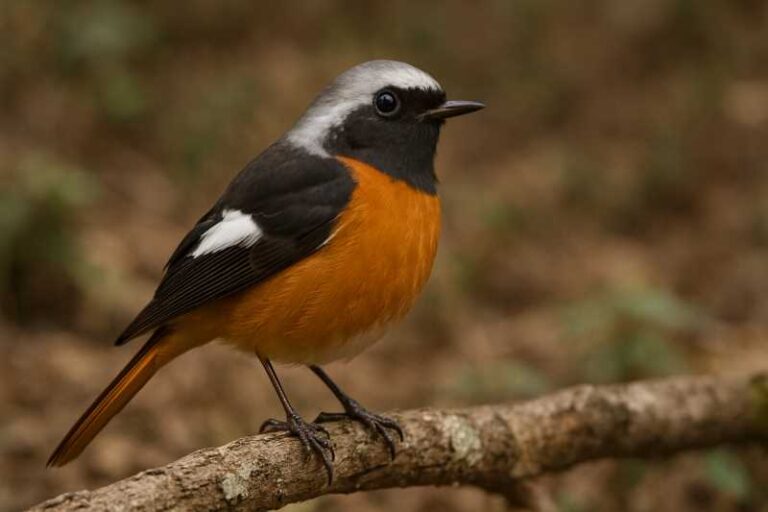
The Gang-gang Cockatoo is one of Australia’s most beloved and visually striking parrots. Known for its unique, wispy crest and gentle demeanor, this cockatoo is not only a favorite among birdwatchers but also a symbol of the natural beauty and fragility of Australia’s southeastern forests. With their soft, creaking calls and slow, deliberate movements, Gang-gang Cockatoos exude charm and character, making them stand out among Australia’s avifauna.
Identification
The Gang-gang Cockatoo is a small member of the cockatoo family, measuring around 32–35 cm in length. Males are easily recognized by their vibrant crimson heads and crests, which contrast sharply with their slate-grey bodies. Females, in contrast, are more subdued in appearance, with a grey head and underparts that feature delicate orange-yellow barring. Both sexes have dark eyes and a small, hooked beak.
The most distinctive feature is the male’s crest—floppy, wispy, and forward-curving—making them instantly recognizable. The call of the Gang-gang is equally unique, sounding like a creaky hinge or a wine bottle being uncorked, often heard before the bird is seen.
Habitat and Distribution
Gang-gang Cockatoos are endemic to southeastern Australia. Their range primarily includes the cooler and wetter forests of the Great Dividing Range, extending from southern New South Wales through the Australian Capital Territory and into eastern Victoria. During the summer, they inhabit higher altitude eucalypt forests and woodlands, while in winter they often move to lower elevations and even into urban parks and gardens, especially around Canberra and Melbourne.
Their preferred habitats are characterized by tall, mature forests, especially those with hollow-bearing trees for nesting and a diverse understorey that supports their foraging needs.
Behavior
Gang-gangs are generally shy, quiet birds, often seen in small groups or pairs. They are arboreal but frequently come down to lower branches or even the ground to feed. Their flight is slow and undulating, and they often perch quietly for long periods.
Social and monogamous, pairs are usually seen together throughout the year. Outside the breeding season, small flocks may form, particularly in areas with abundant food. Despite their gentle nature, they are known to be curious and can become quite tame in urban settings.
Diet
Gang-gang Cockatoos primarily feed on seeds, berries, and nuts. Their diet includes seeds of native trees and shrubs, particularly eucalyptus, acacia, and wattles. They also consume pine seeds, which can bring them into conflict with pine plantation managers. Insects and their larvae are sometimes eaten, especially during the breeding season when extra protein is needed for growing chicks.
Foraging typically takes place in the canopy or middle levels of the forest, but they are also known to feed on fallen fruits and seeds on the forest floor.
Breeding
The breeding season for Gang-gangs generally runs from October to January. They nest in tree hollows, typically high in mature eucalypt trees. The nest is lined with wood dust, and the female lays two to three eggs. Both parents share incubation duties and care for the young after hatching.
Chicks fledge about seven to eight weeks after hatching, but they remain dependent on their parents for some time afterward. Availability of suitable nesting hollows is a limiting factor for this species, particularly in areas affected by logging or bushfires.
Conservation Status
The Gang-gang Cockatoo is currently listed as Vulnerable under the Environment Protection and Biodiversity Conservation Act 1999 (EPBC Act) in Australia. This listing came in response to significant population declines, particularly following the catastrophic 2019–2020 bushfires, which destroyed vast tracts of their breeding and feeding habitat.
Urban development, logging, and climate change further threaten their populations by reducing available habitat and nesting sites. Conservation measures include habitat protection, artificial nest box installation, and fire management strategies.
Public awareness and community involvement in citizen science projects—such as recording sightings and monitoring nesting success—are critical components of ongoing efforts to preserve this iconic species.
Related posts