Przewalski’s Gazelle: A Comprehensive Guide
Introduction
Przewalski’s Gazelle, scientifically known as Procapra przewalskii, is a captivating mammal species named after the Russian explorer Nikolai Przhevalsky, who first documented this unique creature in the 19th century. This gazelle, endemic to China, is one of the most enigmatic members of the Bovidae family. Recognized for its distinctive appearance and critical conservation status, Przewalski’s Gazelle has become a subject of great interest to zoologists and conservationists worldwide.
In this comprehensive guide, we will explore the physical characteristics, habitat, behavior, and conservation efforts surrounding Przewalski’s Gazelle. We aim to provide a nuanced understanding of this species, highlighting its importance in biodiversity and the urgent need for its protection.
Physical Description
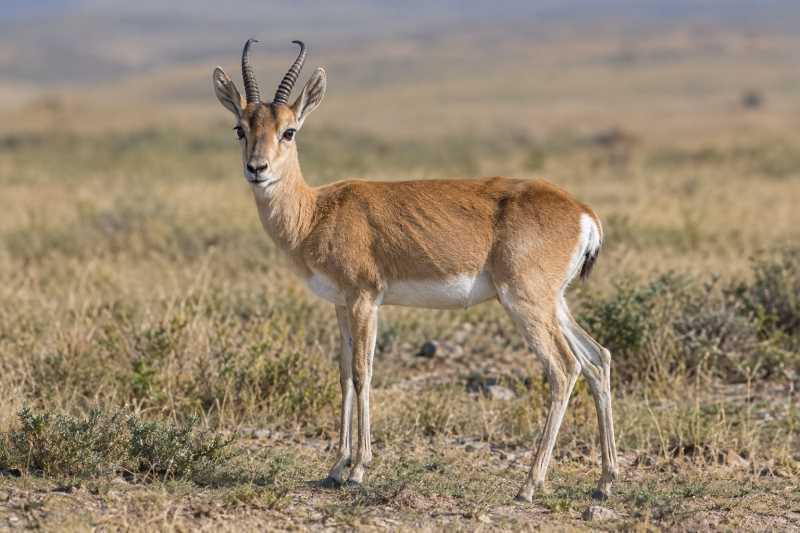
Przewalski’s Gazelle is a medium-sized antelope, displaying several unique features that distinguish it from other gazelle species. An adult typically weighs between 15 to 30 kilograms and stands about 50 to 70 centimeters tall at the shoulder. One of its most striking features is its relatively short and stocky build, which contrasts with the more slender appearance of other gazelles.
The coat of Przewalski’s Gazelle is a sandy brown, providing effective camouflage in its natural arid habitat. The underparts are white, with a noticeable white patch on the rump, bordered by a dark line—a characteristic feature of the species. The face is adorned with darker markings, particularly around the eyes and snout, enhancing its expressive appearance.
Both males and females possess horns, although the horns of males are more prominent. Male horns can grow up to 30 centimeters, with a slight inward curve and ridged texture. Females have shorter, thinner horns, which are less curved. This sexual dimorphism in horn size is an essential identification feature.
Range and Habitat
Przewalski’s Gazelle is primarily found in the Qinghai-Tibet Plateau in China, with its range restricted to a few isolated regions around the Qinghai Lake. This limited distribution makes the species particularly vulnerable to environmental changes and human activities.
The gazelle’s natural habitat consists of semi-arid steppes and open plains, where they can graze on sparse vegetation. They prefer areas with minimal human disturbance and are often found in regions with saline soils and sparse shrubbery. These habitats provide the necessary cover and food resources, as well as protection from predators.
The harsh climate of the Qinghai-Tibet Plateau, characterized by cold, dry winters and warm summers, influences the gazelle’s behavior and physiology. The species has adapted to these conditions, but its survival is increasingly threatened by habitat degradation and fragmentation.
Behavior and Diet
Przewalski’s Gazelle is primarily diurnal, being most active during the early morning and late afternoon when temperatures are cooler. They are social animals, typically forming small groups consisting of females and their young. Males are often solitary or form bachelor groups, except during the breeding season.
The diet of Przewalski’s Gazelle is herbivorous, consisting mainly of grasses, herbs, and shrubs. They have adapted to the arid environment by being selective feeders, choosing plants that provide the necessary moisture content. This dietary strategy minimizes their need for water, a crucial adaptation for survival in their dry habitat.
The breeding season occurs in late autumn, with males establishing territories and competing for access to females. After a gestation period of about six months, females give birth to a single calf, which is weaned after a few months. The young are vulnerable to predation, requiring constant vigilance from the mothers.
Identification Tips (field recognition cues)
Identifying Przewalski’s Gazelle in the field requires careful observation of several key features:
- Body Size and Shape: Look for a medium-sized antelope with a stocky build, shorter than most other gazelles.
- Coat Color: Note the sandy brown coloration with a distinctive white rump patch bordered by a dark line.
- Facial Markings: Observe the darker markings around the eyes and snout, which give the gazelle its characteristic appearance.
- Horns: Both sexes have horns, but observe the size and curvature to distinguish males from females. Males have larger, more curved horns.
- Behavior: Watch for social grouping patterns and feeding behavior, which can provide additional identification clues.
Conservation Status (with threats and protections)
Przewalski’s Gazelle is classified as Endangered on the IUCN Red List, primarily due to its restricted range and declining population. The species faces several significant threats:
- Habitat Loss: Agricultural expansion, infrastructure development, and land conversion have led to habitat fragmentation and loss.
- Human Disturbance: Increased human activity, including livestock grazing and tourism, disrupts the gazelle’s natural behavior and habitat use.
- Climate Change: Alterations in precipitation patterns and temperature could further stress the gazelle’s already limited habitat.
Conservation efforts are underway to protect Przewalski’s Gazelle. These include habitat restoration, legal protection, and community-based conservation programs. The establishment of nature reserves around Qinghai Lake has provided a refuge for the species, although ongoing monitoring and management are crucial for its long-term survival.
Frequently Asked Questions
- What is the primary habitat of Przewalski’s Gazelle?
Przewalski’s Gazelle primarily inhabits the semi-arid steppes and open plains of the Qinghai-Tibet Plateau in China. These areas provide the sparse vegetation and cover necessary for their survival.
- How can you differentiate between male and female Przewalski’s Gazelles?
While both males and females have horns, males possess larger, more curved horns. Females have shorter, thinner, and less curved horns, which is a primary distinguishing feature.
- What conservation measures are in place to protect Przewalski’s Gazelle?
Conservation measures include the establishment of nature reserves, legal protection, habitat restoration projects, and community-based initiatives to reduce human-wildlife conflict.
- Why is Przewalski’s Gazelle considered endangered?
The gazelle is endangered due to habitat loss, human disturbance, and climate change, all contributing to its declining population and restricted range.
- What adaptations help Przewalski’s Gazelle survive in its environment?
Adaptations include a selective diet minimizing water needs, a sandy coat for camouflage, and social grouping for protection against predators.
Related posts