The Enigmatic Long-crested Pygmy Tyrant: A Study in Avian Marvel
The avian world is filled with a multitude of fascinating species, each with its own unique characteristics and ecological roles. Among these is the Long-crested Pygmy Tyrant (Lophotriccus eulophotes), a diminutive yet striking bird that captivates ornithologists and bird watchers alike. This article delves into the intriguing world of the Long-crested Pygmy Tyrant, exploring its biology, habitat, behavior, and conservation status.
Taxonomy and Description
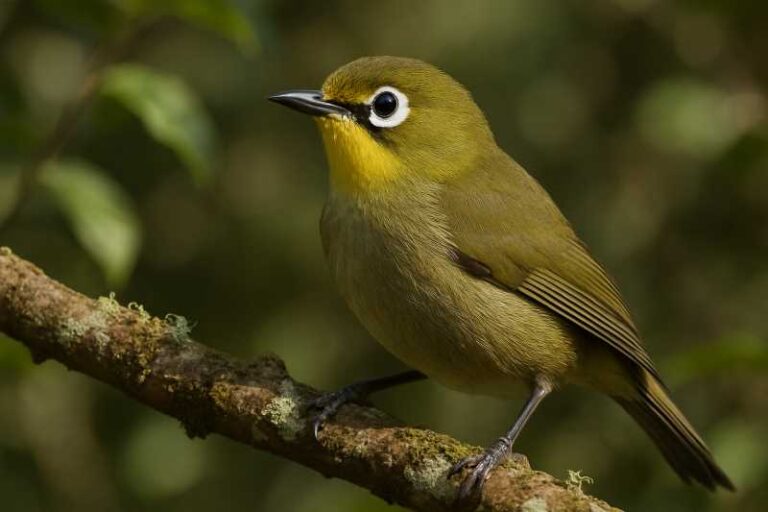
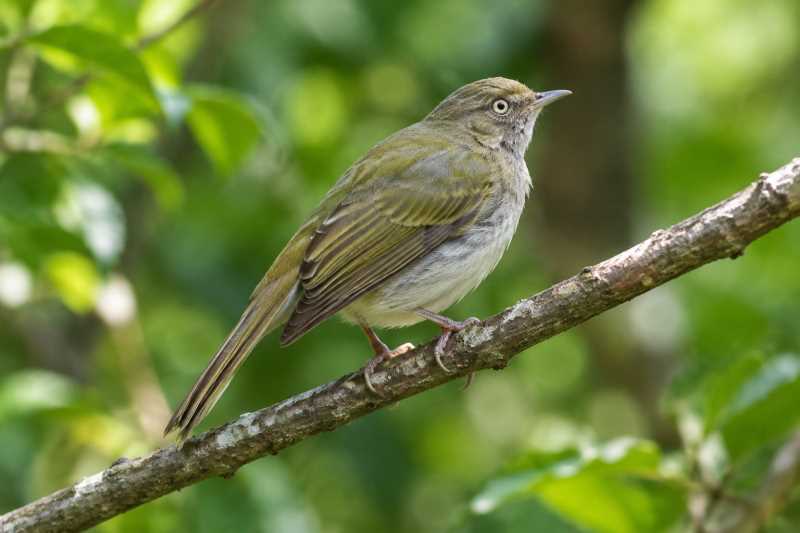
Belonging to the family Tyrannidae, the Long-crested Pygmy Tyrant is a member of the diverse group of New World flycatchers. This species is distinguished by its remarkable long crest, which sets it apart from other members of its genus, Lophotriccus. Measuring approximately 9 cm in length, this petite bird is characterized by its olive-green upperparts, yellowish underparts, and a delicate yet distinctive black crest that adorns its head.
The Long-crested Pygmy Tyrant’s diminutive size and subtle coloration can make it challenging to spot in its natural habitat. However, its unique crest and vocalizations, which consist of high-pitched calls, aid in its identification.
Habitat and Distribution
The Long-crested Pygmy Tyrant is primarily found in the tropical and subtropical forests of South America, with its range extending across countries such as Brazil, Colombia, and Venezuela. This species favors humid, lowland forests, where it occupies the understory and mid-story layers, often in dense foliage that provides both cover and foraging opportunities.
The bird’s preference for such specific habitats makes it particularly susceptible to habitat destruction, a significant threat given the ongoing deforestation in its range. Conservation efforts are crucial to preserving the intricate ecosystems these birds inhabit.
Behavior and Ecology
As an insectivorous species, the Long-crested Pygmy Tyrant plays a vital role in controlling insect populations within its ecosystem. It employs a "sit-and-wait" foraging strategy, perching quietly on a branch while scanning for prey. Once an insect is spotted, the bird makes a swift sally to capture its meal before returning to its perch.
Socially, the Long-crested Pygmy Tyrant is known to be somewhat solitary, although it may occasionally form loose associations with mixed-species flocks. These flocks provide additional foraging opportunities and protection from predators.
Breeding and Lifecycle
The breeding biology of the Long-crested Pygmy Tyrant, like many tropical bird species, remains relatively understudied. However, observations suggest that it follows a typical flycatcher breeding pattern, with the construction of a cup-shaped nest situated in a concealed location within dense foliage.
The female is primarily responsible for incubating the eggs and rearing the young. The number of eggs laid per clutch and the duration of the incubation period are areas where further research is needed to fully understand the species’ reproductive strategies.
Conservation Status
Currently, the Long-crested Pygmy Tyrant is not classified as endangered, but its population is believed to be declining due to habitat loss. The main threat to its survival is deforestation, driven by agricultural expansion and logging activities in its native range.
Conservation efforts are essential to ensure the survival of this species. Protecting large tracts of lowland forest and promoting sustainable land use practices can help mitigate some of the pressures faced by the Long-crested Pygmy Tyrant and other forest-dependent species.
Conclusion
The Long-crested Pygmy Tyrant is a captivating example of the diversity and complexity found within the avian world. Its unique characteristics, ecological roles, and the challenges it faces underscore the importance of conservation efforts aimed at preserving tropical forest habitats. By understanding and protecting these ecosystems, we can ensure that the Long-crested Pygmy Tyrant and countless other species continue to thrive for generations to come.
In conclusion, the Long-crested Pygmy Tyrant may be small in stature, but it is a giant in terms of the ecological importance and the wonder it brings to those fortunate enough to observe it in its natural habitat. Continued research and conservation will be critical in unraveling the mysteries of this enigmatic bird and ensuring its future survival.
Related posts