Introduction
Heaviside’s Dolphin (Cephalorhynchus heavisidii), named after the British marine surveyor Captain Heaviside, is a small species of dolphin found off the coast of southwestern Africa. Known for their playful nature and acrobatic displays, these dolphins are an integral part of the marine biodiversity in their region. Recognizable by their distinct coloration and small size, Heaviside’s Dolphins have intrigued marine biologists and wildlife enthusiasts alike. This article delves into the various facets of these captivating marine mammals, offering insights into their physical attributes, habitats, behaviors, and conservation status.
Physical Description
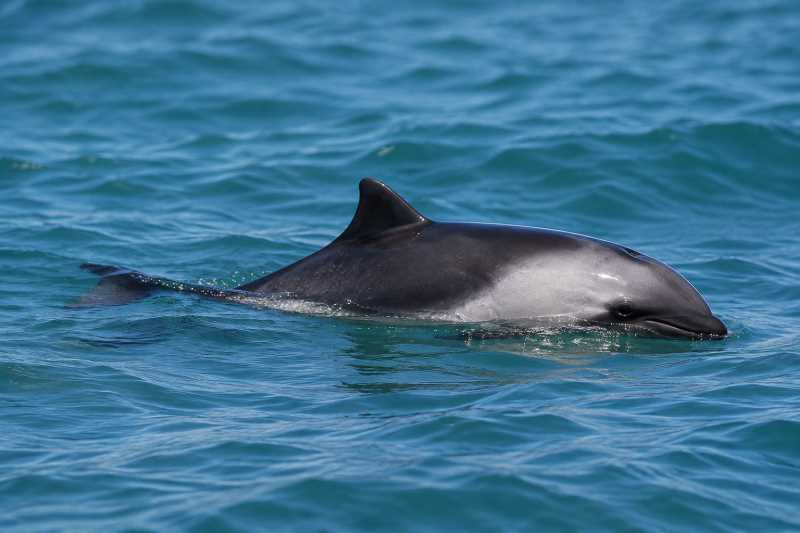
Heaviside’s Dolphin is a small cetacean belonging to the family Delphinidae. Adult dolphins typically measure between 1.7 to 1.8 meters in length and weigh around 60 to 70 kilograms. Their bodies are robust and compact, characterized by a unique tri-color pattern. The dorsal side of the dolphin is a dark bluish-black, while the sides are a lighter gray, and the belly is a striking white. This distinctive coloration aids in camouflage, helping them evade predators. The dorsal fin is triangular and slightly rounded, and their flippers are small and pointed. One of the key distinguishing features of Heaviside’s Dolphin is its blunt, rounded head which lacks the pronounced beak seen in many other dolphin species.
Range and Habitat
Heaviside’s Dolphins are endemic to the cold temperate waters of the southwestern coast of Africa, predominantly found off the coasts of Namibia and South Africa. Their range extends from north of Walvis Bay in Namibia to the southernmost tip of Africa. They prefer shallow coastal waters, typically inhabiting areas less than 100 meters deep. These dolphins are often spotted near inshore areas and are known to enter sheltered bays and estuaries. Their preference for these habitats is largely due to the abundance of prey species found in these nutrient-rich waters, which are influenced by the Benguela Current.
Behavior and Diet
Heaviside’s Dolphins are highly social animals, often seen in small pods ranging from 2 to 10 individuals, although larger groups can occasionally be observed. They are known for their acrobatic behavior, frequently seen leaping out of the water, riding bow waves, and performing aerial spins. These dolphins are generally diurnal, being most active during daylight hours.
Their diet primarily consists of small fish, squid, and crustaceans, with a preference for prey species found in the demersal zone. They employ cooperative hunting tactics, working together to herd schools of fish. Their echolocation abilities are highly developed, allowing them to locate and capture prey with precision in the often turbid waters of their habitat.
Identification Tips (Field Recognition Cues)
Recognizing Heaviside’s Dolphin in the field can be facilitated by noting several key features:
- Size and Shape: These dolphins are small and robust, with a length of about 1.7 to 1.8 meters.
- Color Pattern: Look for the distinctive tri-color pattern—dark bluish-black on the back, gray sides, and a white belly.
- Dorsal Fin: Observe the triangular shape of the dorsal fin, which is slightly rounded at the tip.
- Behavior: Note their acrobatic displays and habit of riding waves and leaping out of the water.
- Head Shape: The rounded, blunt head without a beak is a distinguishing feature of this species.
Conservation Status (With Threats and Protections)
Heaviside’s Dolphin is currently listed as Near Threatened on the IUCN Red List. The primary threats to their survival include bycatch in fishing gear, habitat degradation, and the impacts of climate change on their marine environment. These dolphins are often caught accidentally in gillnets, which can lead to injury or death.
Conservation efforts are underway to protect Heaviside’s Dolphins, focusing on mitigating bycatch through the development of dolphin-safe fishing practices and gear. Marine protected areas (MPAs) have been established in parts of their range to safeguard critical habitats. Additionally, there are ongoing research and monitoring programs aimed at better understanding the population dynamics and ecology of this species to inform conservation strategies.
Frequently Asked Questions
Q: What is the average lifespan of Heaviside’s Dolphin?
A: Heaviside’s Dolphins are believed to live up to 20 years in the wild, though exact data is limited. Their lifespan is influenced by factors such as environmental conditions and human impacts.
Q: How do Heaviside’s Dolphins communicate?
A: Like other dolphins, Heaviside’s Dolphins use a combination of clicks, whistles, and body language to communicate. Their echolocation ability also plays a crucial role in navigation and hunting.
Q: Are Heaviside’s Dolphins endangered?
A: They are classified as Near Threatened, not endangered. However, their population is at risk due to threats like bycatch and habitat loss.
Q: Where can I best observe Heaviside’s Dolphins in the wild?
A: The coastal waters off Namibia and South Africa, particularly near Walvis Bay and the Cape Peninsula, offer prime opportunities for observing these dolphins in their natural habitat.
Q: What measures are being taken to protect Heaviside’s Dolphins?
A: Efforts include the enforcement of marine protected areas, research on dolphin-safe fishing practices, and monitoring to track population trends and threats.
Related posts