Hourglass Dolphin (Cephalorhynchus cruciger): A Comprehensive Guide
Introduction
The hourglass dolphin (Cephalorhynchus cruciger) is a remarkable and distinctive species that inhabits the cold waters of the Southern Ocean. Known for its striking black-and-white pattern, this small cetacean has fascinated marine biologists and wildlife enthusiasts alike. Despite its elusive nature, the hourglass dolphin plays a crucial role in the marine ecosystem, and its unique characteristics make it a subject of study and conservation efforts. This article delves into the physical description, range and habitat, behavior and diet, identification tips, and conservation status of the hourglass dolphin.
Physical Description
The hourglass dolphin is easily recognizable due to its unique coloration and pattern. It is a small cetacean, generally measuring between 1.8 to 2 meters in length and weighing around 90 to 120 kilograms. The dolphin’s body is streamlined, allowing it to maneuver quickly through water.
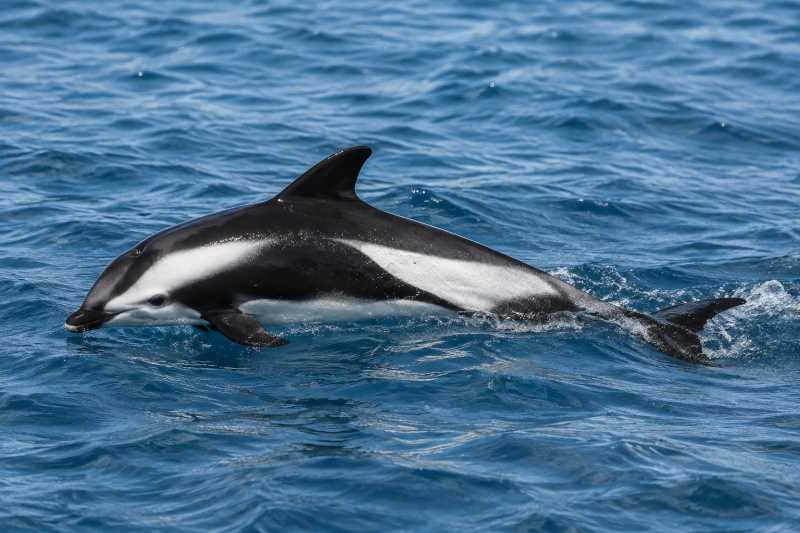
The most distinctive feature of the hourglass dolphin is its striking black-and-white coloration. The dorsal side is predominantly black, while the ventral side is white. A key identification feature is the hourglass-shaped white patch on each side of the body, which gives the species its common name. This patch extends from behind the dorsal fin to the tail, intersected by a black band that crosses the back.
The dorsal fin is tall and falcate, often contrasting sharply with the black body. The pectoral fins and tail fluke are also black, offering a stark contrast to the white underbelly.
Range and Habitat
Hourglass dolphins inhabit the cold, subantarctic, and Antarctic waters of the Southern Hemisphere. Their range extends from the southern parts of South America, across the Southern Ocean, to the coasts of Antarctica.
These dolphins are typically found in deep, open ocean waters, often far from land. They are known to inhabit regions with sea surface temperatures ranging from 0 to 13 degrees Celsius. Their preference for cold waters often leads them to areas associated with strong ocean currents and productive feeding grounds.
Although sightings are rare due to their remote habitat, the hourglass dolphin is known to be distributed widely throughout its range. They are often observed in groups, sometimes in association with other cetaceans such as the orca and fin whale.
Behavior and Diet
The hourglass dolphin is a social and energetic species, often seen in small groups ranging from 5 to 10 individuals. They are known for their acrobatic displays, including leaping and bow-riding behaviors. These dolphins are highly active and can often be seen surfing on waves created by ships or large whales.
As a carnivorous species, the hourglass dolphin’s diet primarily consists of small fish, squid, and crustaceans. They are adept hunters, using echolocation to locate and capture prey in the dark, cold waters of their habitat. Their feeding habits are often opportunistic, taking advantage of the abundance of prey in the nutrient-rich waters of the Southern Ocean.
Identification Tips (Field Recognition Cues)
Identifying the hourglass dolphin in the field can be challenging due to their elusive nature and remote habitat. However, several key features can help with identification:
- Coloration: Look for the distinctive black-and-white pattern with an hourglass-shaped white patch on each side.
- Dorsal Fin: The tall, falcate dorsal fin provides a clear contrast with the black body, making it a prominent identification feature.
- Size: At 1.8 to 2 meters in length, they are relatively small compared to other cetaceans in their range.
- Behavior: Observe their acrobatic displays and group dynamics, often seen bow-riding or leaping.
- Habitat: Found in cold, open ocean waters of the Southern Hemisphere, particularly around Antarctica.
Conservation Status (with Threats and Protections)
The hourglass dolphin is currently listed as "Least Concern" on the IUCN Red List. However, due to the scarcity of data and the remote nature of their habitat, it is difficult to assess their population trends accurately.
Threats
- Climate Change: Warming ocean temperatures and changing sea ice patterns may impact their habitat and prey availability.
- Pollution: Marine pollution, including plastic debris and chemical contaminants, poses a threat to their health and environment.
- Bycatch: Although rare, accidental capture in fishing gear can occur, posing a risk to their population.
- Noise Pollution: Increased vessel traffic and ocean noise can disrupt their communication and echolocation abilities.
Protections
- International Agreements: The hourglass dolphin is protected under various international agreements, including the Convention on the Conservation of Migratory Species of Wild Animals (CMS).
- Marine Protected Areas: Efforts to establish and enforce marine protected areas in the Southern Ocean help safeguard critical habitats.
- Research and Monitoring: Continued research and monitoring efforts are essential to understanding their population dynamics and conservation needs.
Frequently Asked Questions
- What makes the hourglass dolphin unique?
The hourglass dolphin is unique due to its striking black-and-white coloration, featuring an hourglass-shaped pattern on each side. This distinct appearance, along with their energetic and social behavior, sets them apart from other dolphin species. Additionally, their habitat in the remote Southern Ocean makes them a rare sight for researchers and wildlife enthusiasts.
- Where can hourglass dolphins be found?
Hourglass dolphins are found in the cold waters of the Southern Hemisphere, particularly in the Southern Ocean surrounding Antarctica. Their range extends from southern South America across to the icy waters of Antarctica, often in areas far from land. They are most commonly observed in deep, open ocean environments associated with strong ocean currents.
- What is the diet of an hourglass dolphin?
The diet of an hourglass dolphin primarily consists of small fish, squid, and crustaceans. They are skilled hunters, using echolocation to detect and capture prey in the dark, nutrient-rich waters of their habitat. Their feeding habits are opportunistic, taking advantage of the abundance of prey in the productive waters of the Southern Ocean.
- Are hourglass dolphins endangered?
Hourglass dolphins are currently listed as "Least Concern" on the IUCN Red List. However, due to limited data on their population trends and the remote nature of their habitat, their conservation status requires ongoing monitoring. Threats such as climate change, pollution, and bycatch pose potential risks to their population.
- How can I identify an hourglass dolphin in the field?
To identify an hourglass dolphin, look for their distinctive black-and-white coloration, featuring an hourglass-shaped white patch on each side. Their tall, falcate dorsal fin and acrobatic behavior, such as leaping and bow-riding, are also key identification cues. They are typically found in cold, open ocean waters of the Southern Hemisphere.
Related posts