Introduction
The Melon-headed Whale, scientifically known as Peponocephala electra, is an intriguing and relatively lesser-known member of the dolphin family. Despite its name, the Melon-headed Whale is more closely related to dolphins than to true whales. This species is known for its gregarious nature, often forming large pods that can be spotted in tropical and subtropical waters around the world. This article delves into the fascinating world of the Melon-headed Whale, exploring its physical characteristics, habitat preferences, behaviors, and conservation status.
Physical Description
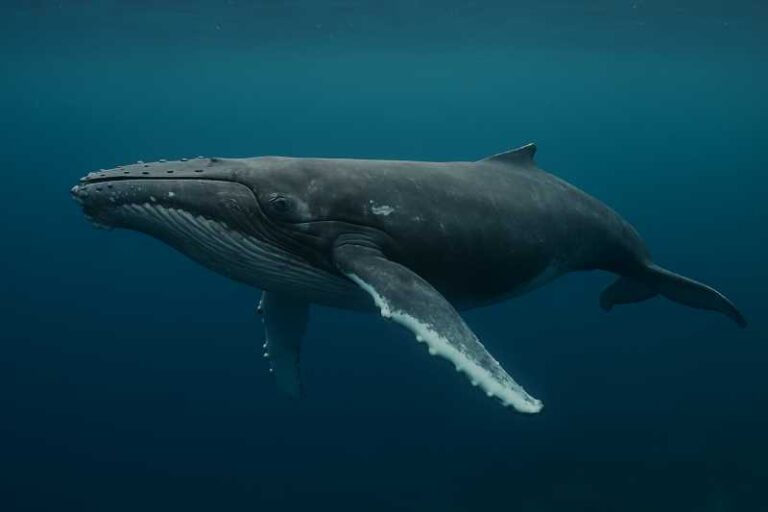
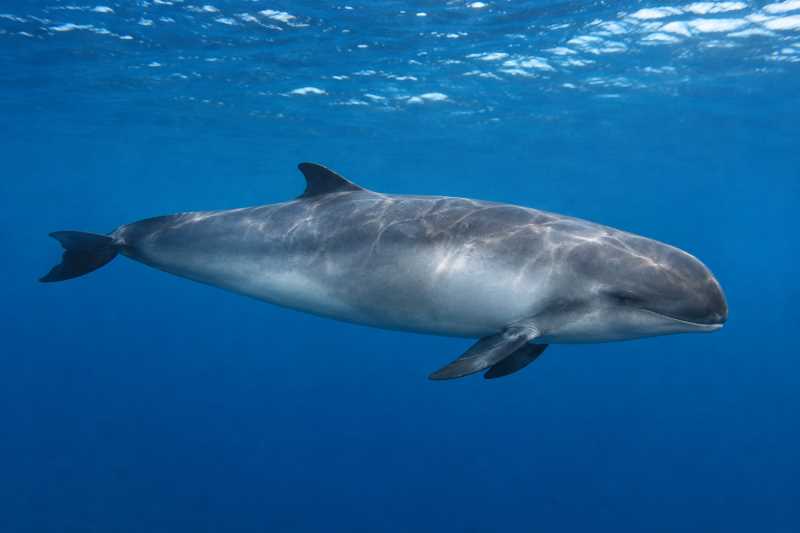
The Melon-headed Whale is a small cetacean, typically measuring between 2.1 and 2.7 meters (7 to 9 feet) in length and weighing between 130 to 275 kilograms (290 to 605 pounds). Its most distinctive feature is the rounded, conical head, which lacks the pronounced beak found in many other dolphin species. The body is torpedo-shaped, ideal for swift swimming and agile maneuvering through the water.
The Melon-headed Whale has a dark gray or black body with a lighter underside, often with a white or light pink belly. There is a noticeable dark line running from the eye to the flipper, and its lips are typically white. Another distinctive feature is the small, pointed dorsal fin located midway down its back, which can aid in identification at sea.
Range and Habitat
Melon-headed Whales are found in deep, warm waters of the world’s tropical and subtropical oceans. Their range includes the Indian, Pacific, and Atlantic Oceans. They prefer oceanic environments far from the coast, typically inhabiting waters over 1,000 meters deep. However, there are occasional sightings closer to shore, particularly in areas with deep coastal waters.
These cetaceans are often associated with the Hawaiian archipelago, the Caribbean, the Gulf of Mexico, and the waters off the Philippines and Indonesia. They are highly social animals and are frequently spotted in large groups, sometimes associating with other cetacean species such as dolphins and pilot whales.
Behavior and Diet
Melon-headed Whales are highly social creatures, forming pods that can number from a few dozen to over a thousand individuals. These pods exhibit complex social structures and often engage in synchronized swimming and other coordinated behaviors. They are known for their energetic and playful nature, frequently seen leaping out of the water and riding the bow waves of boats.
The diet of the Melon-headed Whale primarily consists of squid and small fish. They are deep divers, capable of reaching significant depths where they hunt for their prey. Their feeding habits are not as well-documented as some other cetacean species, but they are believed to use echolocation to locate prey in the dark depths of the ocean.
Identification Tips
Identifying the Melon-headed Whale in the field requires attention to several key features:
- Head Shape: The rounded, conical head without a prominent beak is a primary distinguishing characteristic.
- Size and Shape: Its relatively small size and torpedo-shaped body are notable.
- Coloration: Look for the dark gray or black body with a paler underside and the distinctive dark eye-to-flipper line.
- Dorsal Fin: The small, pointed dorsal fin is another identifying feature.
- Group Behavior: Large pods and social, active behaviors can also help in identification.
Conservation Status
The Melon-headed Whale is currently classified as "Least Concern" by the International Union for Conservation of Nature (IUCN). However, like many marine species, they face numerous threats that could impact their populations in the future.
Threats
- Bycatch: Accidental capture in fishing gear poses a significant risk.
- Noise Pollution: Increased shipping traffic and underwater noise can disrupt their communication and navigation.
- Climate Change: Rising ocean temperatures and changing prey distributions could affect their habitat and food sources.
- Pollution: Chemical pollutants and plastic debris in the ocean can harm these cetaceans.
Protections
International regulations, such as those enforced by the Marine Mammal Protection Act in the United States, provide a framework for the conservation of Melon-headed Whales. Efforts to mitigate bycatch and reduce marine pollution are critical in ensuring their continued survival.
Frequently Asked Questions
What is the lifespan of a Melon-headed Whale?
The average lifespan of a Melon-headed Whale is not well-documented, but it is estimated to be around 20 to 30 years. Like many cetaceans, their longevity can be influenced by environmental factors and human-induced threats.
How do Melon-headed Whales communicate?
Melon-headed Whales use a variety of vocalizations for communication, including clicks, whistles, and pulsed calls. These sounds are used for social interactions within pods and for echolocation to locate prey.
Are Melon-headed Whales endangered?
Currently, Melon-headed Whales are not considered endangered. They are listed as "Least Concern" by the IUCN. However, they do face threats from human activities, and ongoing conservation efforts are important to maintain their populations.
Can Melon-headed Whales be seen near the shore?
While Melon-headed Whales typically prefer deep oceanic waters, they can occasionally be spotted near shorelines, particularly in areas with steep underwater drop-offs. Sightings near shore are more common in certain regions such as the Hawaiian Islands.
What are the main predators of Melon-headed Whales?
Natural predators of Melon-headed Whales include large sharks and killer whales. However, predation is not considered a major threat to their populations compared to human-induced factors.
Related posts