Greater Mascarene Flying Fox (Pteropus niger): A Comprehensive Guide
Introduction
The Greater Mascarene Flying Fox, scientifically known as Pteropus niger, is a fascinating megabat species native to the Mascarene Islands in the Indian Ocean. These fruit bats are crucial to their ecosystem due to their role in pollination and seed dispersal. However, their existence is increasingly threatened by habitat loss and human activities. This article delves into the physical attributes, habitat, behavior, and conservation efforts surrounding this remarkable species.
Physical Description
The Greater Mascarene Flying Fox is one of the larger species in the Pteropus genus, with a wingspan ranging from 1.2 to 1.5 meters (approximately 4 to 5 feet). Their body length measures between 20 to 24 centimeters (about 8 to 9.5 inches), and they typically weigh around 450 to 600 grams (1 to 1.3 pounds).
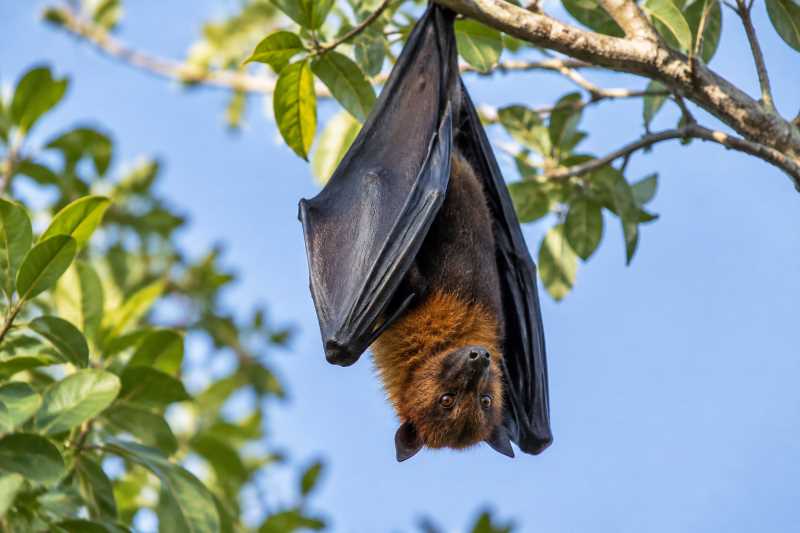
These bats exhibit a predominantly black fur color with a distinctive golden or reddish-brown mantle around their neck and shoulders, lending them a regal appearance. Their broad and leathery wings are adapted for long-distance flight, allowing them to traverse extensive areas in search of food. The Greater Mascarene Flying Fox has large eyes and a fox-like facial structure, which aids in their nocturnal lifestyle by providing excellent night vision.
Range and Habitat
Historically, the Greater Mascarene Flying Fox inhabited the islands of Mauritius and Réunion. Today, they are primarily found on Mauritius, with a small population potentially existing on Réunion. These bats prefer tropical and subtropical moist broadleaf forests but can also be found in mangroves and plantations.
The species relies heavily on the forest canopy for roosting and foraging. Roost sites are typically located in tall trees that offer protection from predators and harsh weather conditions. Unfortunately, deforestation and land conversion for agriculture and urban development have significantly reduced their natural habitat, posing a significant threat to their survival.
Behavior and Diet
The Greater Mascarene Flying Fox is a highly social animal, often found in large colonies that can number in the thousands. These colonies provide safety in numbers and facilitate complex social interactions. During the day, they roost in trees, conserving energy for their nocturnal foraging activities.
Their diet primarily consists of fruit, nectar, and flowers, which they seek out during their nightly foraging expeditions. They play a vital role in their ecosystem by acting as pollinators and seed dispersers, aiding in the regeneration of native plant species. Their preference for a varied diet helps maintain a healthy balance within their habitat.
Identification Tips (Field Recognition Cues)
Identifying the Greater Mascarene Flying Fox in the field can be achieved by observing certain key characteristics:
- Size and Wingspan: Look for their large size and expansive wingspan, which distinguish them from smaller bat species.
- Fur Coloration: Note the distinctive black fur with a golden or reddish-brown mantle around the neck.
- Roosting Behavior: During the day, observe trees with large colonies of bats hanging upside down.
- Flight Pattern: Their flight is characterized by slow, deliberate wingbeats.
- Vocalizations: Listen for their distinctive chattering and squabbling sounds, particularly at dusk and dawn.
Conservation Status (with Threats and Protections)
The Greater Mascarene Flying Fox is classified as "Endangered" on the IUCN Red List. The primary threats to their survival include habitat loss due to deforestation, hunting, and persecution due to their perceived impact on fruit crops.
Conservation efforts are underway to protect this species, including habitat restoration projects and legal protections. In Mauritius, the government has implemented measures to control hunting and has designated protected areas to ensure their survival. Education and awareness campaigns aim to reduce conflicts between farmers and these crucial pollinators.
Frequently Asked Questions
- What is the average lifespan of a Greater Mascarene Flying Fox?
Greater Mascarene Flying Foxes can live up to 15 years in the wild, although their lifespan may be shorter due to threats such as habitat loss and hunting.
- How do Greater Mascarene Flying Foxes contribute to their ecosystem?
These bats are essential for pollination and seed dispersal, which helps maintain healthy tropical ecosystems and supports biodiversity.
- Are Greater Mascarene Flying Foxes dangerous to humans?
No, these bats are not dangerous to humans. They are frugivores and pose no threat, although they can sometimes be a nuisance to fruit farmers.
- Can Greater Mascarene Flying Foxes be found outside Mauritius?
Currently, their primary population is on Mauritius, but historical records suggest they once inhabited Réunion as well. Conservation efforts are focused on maintaining their numbers in Mauritius.
- What is being done to protect the Greater Mascarene Flying Fox?
Protection efforts include legal measures to prevent hunting, habitat restoration, and public awareness campaigns to highlight their ecological importance.
Related posts