Introduction
The Pacific Spiny-rat, scientifically known as Proechimys decumanus, is a fascinating rodent species belonging to the family Echimyidae. This species is part of a larger group of spiny-rats, which are known for their unique adaptation of having spiny fur. These small mammals are predominantly found in the Pacific regions with a notable presence in certain South American countries. As a species that contributes significantly to its ecosystem, the Pacific Spiny-rat plays a critical role in seed dispersal and serves as prey for various predators.
Physical Description
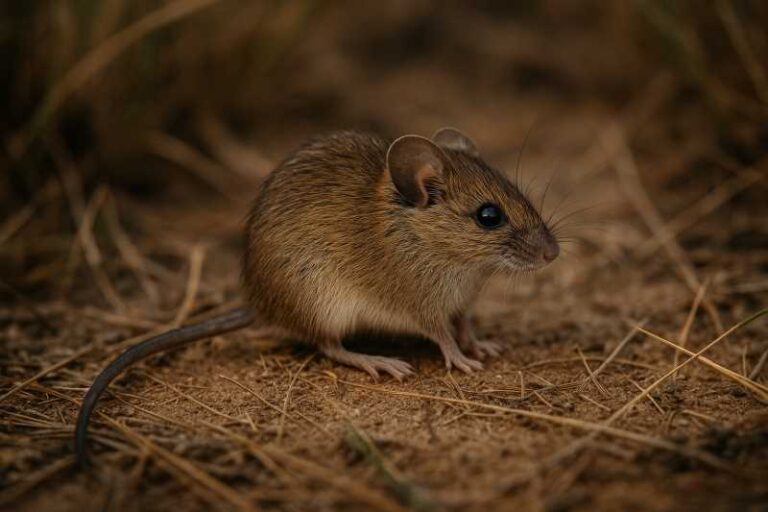
The Pacific Spiny-rat is characterized by its distinctive, spiny fur that serves as a protective feature against predators. These spines are not as sharp as those of a porcupine but are stiffened hairs that provide a unique texture to their coats. Typically, they have a body length ranging from 20 to 30 centimeters, with a tail slightly shorter than the body. Their fur is generally a mix of brown and gray, allowing them to blend seamlessly with their natural habitat. The underbelly is usually lighter in color, often a creamy white or pale gray. They have rounded ears, and their eyes are relatively large, providing them with excellent night vision.
Range and Habitat
Pacific Spiny-rats are predominantly found in the lowland tropical forests of the Pacific regions. Their range extends across several countries in South America, including Ecuador, Colombia, and parts of Peru. These rodents thrive in dense, humid environments where they can easily find food and cover. They are particularly fond of areas with abundant leaf litter and fallen logs, which offer both food resources and shelter. Their adaptability allows them to inhabit secondary forests and areas undergoing reforestation, making them resilient to certain degrees of habitat alteration.
Behavior and Diet
The Pacific Spiny-rat is primarily nocturnal, spending the daylight hours hidden in burrows or dense vegetation. They are solitary animals, with individuals maintaining well-defined territories that they mark with scent glands. Their diet is omnivorous, consisting largely of fruits, seeds, and insects. This varied diet not only supports their nutritional needs but also plays a pivotal role in seed dispersal, aiding in forest regeneration. During the night, they forage on the forest floor, using their keen sense of smell to locate food.
Identification Tips
Field recognition of the Pacific Spiny-rat can be challenging due to their nocturnal nature and elusive behavior. However, there are several cues that can aid in identification:
- Spiny Fur: Look for the distinctive spiny texture of their fur, which is a unique trait among rodents in their habitat.
- Tail Length: Their tails are notably shorter than their bodies, which distinguishes them from other similar-sized rodents.
- Activity Time: They are primarily active at night, so sightings are more likely during evening or early morning hours.
- Habitat: Spotting them in lowland tropical forests with dense vegetation is more likely than in open areas.
Conservation Status
Currently, the Pacific Spiny-rat is classified as Least Concern by the International Union for Conservation of Nature (IUCN). Despite this status, they face several potential threats, primarily due to habitat destruction and fragmentation. Deforestation for agriculture and urban development poses significant risks to their natural habitats. Conservation efforts are focused on habitat preservation and restoration, ensuring these rodents have the necessary environment to thrive. In several regions, protected areas and reserves have been established to safeguard their habitats, promoting biodiversity and ecological balance.
Frequently Asked Questions
1. What does a Pacific Spiny-rat eat? The Pacific Spiny-rat has an omnivorous diet, feeding on fruits, seeds, and insects. This varied diet helps them fulfill their nutritional needs and supports seed dispersal in their habitats.
2. Where can Pacific Spiny-rats be found? They are primarily found in the lowland tropical forests of the Pacific regions, particularly in countries like Ecuador, Colombia, and parts of Peru.
3. Are Pacific Spiny-rats endangered? No, the Pacific Spiny-rat is currently classified as Least Concern by the IUCN. However, they face threats from habitat loss and are subject to conservation efforts to protect their environments.
4. How do Pacific Spiny-rats protect themselves from predators? Their spiny fur provides a degree of protection against predators. Additionally, their nocturnal behavior helps them avoid daytime predators.
5. What role do Pacific Spiny-rats play in the ecosystem? They play a crucial role in seed dispersal, which aids in forest regeneration and maintains the ecological balance of their habitats.
Related posts