Japanese Serotine (Cnephaeus japonensis): A Comprehensive Guide
Introduction
The Japanese Serotine, scientifically known as Cnephaeus japonensis, is a captivating species of bat that plays a crucial role in maintaining the ecological balance within its habitat. Found predominantly in Japan, this mammal belongs to the Vespertilionidae family, which includes a diverse range of vesper bats. Despite its relatively obscure status compared to other bat species, the Japanese Serotine has garnered interest from researchers and wildlife enthusiasts due to its unique adaptations and ecological significance.
Physical Description
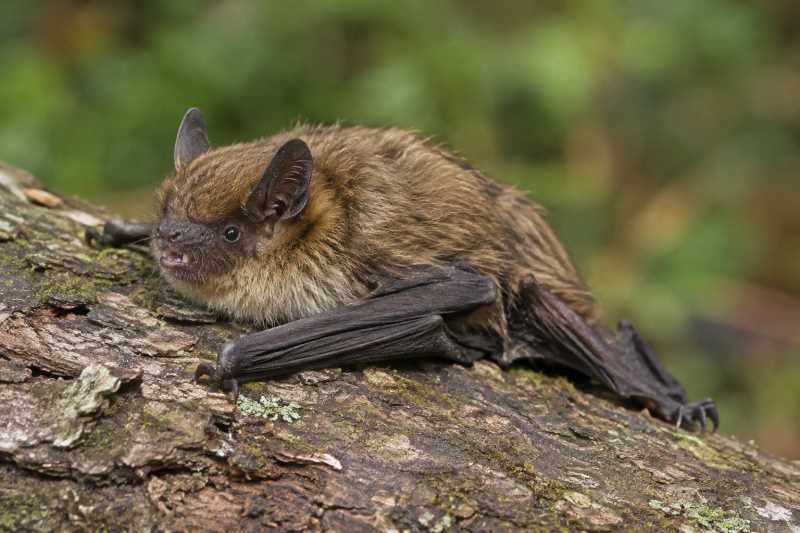
The Japanese Serotine is a medium-sized bat, with an average wingspan ranging from 28 to 35 centimeters and a body length of approximately 5 to 7 centimeters. Weighing between 8 to 15 grams, this species exhibits sexual dimorphism, with females generally being larger than males. Its fur is characterized by a rich, chestnut-brown color on the dorsal side, while the ventral side is lighter, often appearing as a creamy or pale brown.
The bat’s face is distinct, with a broad muzzle and small, rounded ears that are equipped with a tragus, a feature common among vesper bats which aids in echolocation. The eyes of the Japanese Serotine are relatively small, yet adapted to low-light conditions, aiding in its nocturnal lifestyle. Its wings are long and narrow, designed for agile flight and maneuverability in forested habitats.
Range and Habitat
The Japanese Serotine is endemic to Japan, with its distribution covering the main islands of Honshu, Shikoku, and Kyushu. It thrives in a variety of habitats, including temperate forests, agricultural lands, and urban areas. This adaptability to different environments is a testament to the species’ resilience and versatility.
Forested regions provide the ideal roosting sites for the Japanese Serotine, where it can find ample tree cavities and foliage for shelter. In urban settings, these bats have been known to roost in buildings, exploiting crevices and attics as safe havens. The availability of water sources, such as rivers and ponds, is a crucial factor influencing their habitat preference, as it supports a rich diversity of insect prey.
Behavior and Diet
Primarily nocturnal, the Japanese Serotine emerges at dusk to engage in its nightly foraging activities. Utilizing echolocation, it navigates the night skies with precision, emitting high-frequency calls that bounce off objects and prey, allowing it to detect and capture insects mid-flight.
The diet of the Japanese Serotine consists mainly of moths, beetles, and other small flying insects. Its feeding habits are essential for controlling insect populations, thus contributing to the ecological health of its habitat. During the colder months, when insect activity declines, these bats enter a state of torpor or hibernation to conserve energy.
Identification Tips
Field recognition of the Japanese Serotine can be facilitated by several distinct characteristics:
- Size and Coloration: Look for medium-sized bats with a wingspan of 28 to 35 centimeters and a chestnut-brown fur.
- Echolocation Calls: Listen for their distinctive echolocation calls, which are typically high-pitched and rapid.
- Roosting Behavior: Observe potential roosting sites such as tree cavities or building crevices, especially around dusk.
- Flight Pattern: Note their agile and erratic flight, often close to water sources or forest edges.
Conservation Status
Currently, the Japanese Serotine is classified as a species of Least Concern by the International Union for Conservation of Nature (IUCN). However, this status does not imply the absence of threats. Habitat loss due to urbanization and deforestation poses significant challenges to their survival. Additionally, the use of pesticides in agriculture can reduce insect prey availability, further impacting their population.
Conservation efforts are crucial to safeguard the Japanese Serotine. Protecting natural habitats, promoting sustainable agricultural practices, and raising awareness about the ecological importance of bats are vital steps. Legal protections in Japan also help mitigate some of the threats faced by this species.
Frequently Asked Questions
- What does the Japanese Serotine eat?
The Japanese Serotine primarily feeds on insects, including moths and beetles. Its diet plays a significant role in controlling pest populations, contributing to ecological balance.
- Where can I find Japanese Serotine bats?
These bats are found across the main islands of Japan, particularly in temperate forests, agricultural lands, and urban areas with suitable roosting sites.
- How do Japanese Serotine bats use echolocation?
Japanese Serotine bats emit high-frequency calls that bounce off objects and prey, allowing them to navigate and hunt in complete darkness with remarkable accuracy.
- Are Japanese Serotine bats endangered?
Currently, the Japanese Serotine is not considered endangered, being classified as Least Concern by the IUCN. However, continued habitat protection and sustainable practices are essential to ensure their long-term survival.
- How can I help in the conservation of Japanese Serotine bats?
Supporting conservation initiatives, advocating for habitat protection, and reducing pesticide use are ways individuals can contribute to the conservation of Japanese Serotine bats.
Related posts