Nepalese Striped Shrew (Sorex nepalensis)
Introduction
The Nepalese Striped Shrew (Sorex nepalensis) is a small yet fascinating mammal native to the mountainous regions of Nepal. This species is part of the Soricidae family, which encompasses a diverse group of shrews known for their high metabolic rates and insectivorous diets. The Nepalese Striped Shrew is of particular interest to researchers and wildlife enthusiasts due to its unique adaptations to high-altitude environments and its role in the ecosystem as both predator and prey. This article delves into the various aspects of the Nepalese Striped Shrew, including its physical characteristics, habitat, behavior, and conservation status.
Physical Description
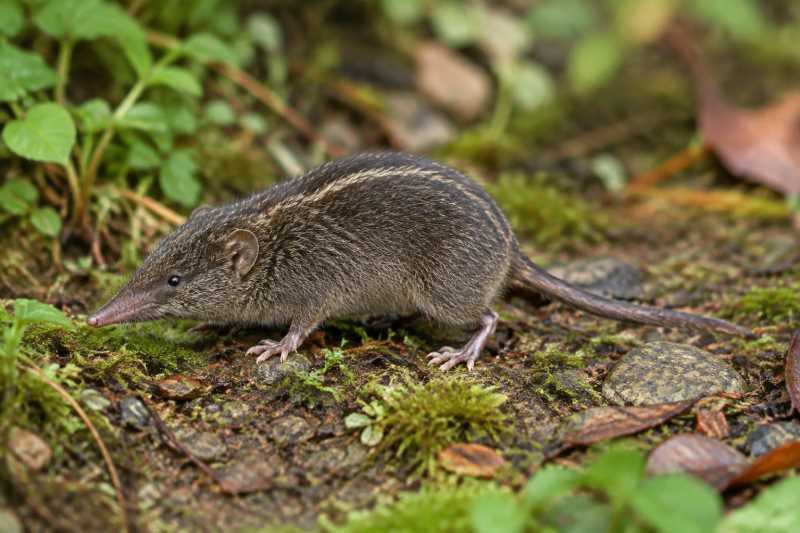
The Nepalese Striped Shrew is a small mammal, typically measuring between 5 to 7 centimeters in body length, excluding its tail, which can add another 4 to 5 centimeters. It weighs approximately 5 to 10 grams, making it a lightweight creature adept at navigating its environment. A distinguishing feature of this shrew is its pelage, which is soft and dense, providing insulation against the cold climates of its high-altitude habitat.
The most notable physical characteristic of the Nepalese Striped Shrew is the prominent dark stripe running along its back, from the head to the base of the tail. This stripe contrasts sharply with the otherwise grayish-brown fur, aiding in identification. The shrew’s snout is elongated and pointed, equipped with sensitive whiskers that help detect prey and navigate the terrain. Its eyes are small and beady, adapted more for detecting movement than visual acuity. The Nepalese Striped Shrew’s limbs are short, but its feet are proportionately large, providing stability and agility.
Range and Habitat
The Nepalese Striped Shrew is endemic to the Himalayan region, with its range primarily concentrated in Nepal. It inhabits high-altitude areas, often between 2,000 and 4,000 meters above sea level. These regions are characterized by a cool climate, with alpine meadows, rocky terrains, and mixed forests providing the diverse microhabitats the shrew needs.
The shrew favors areas with abundant ground cover, such as leaf litter and dense vegetation, which offer protection from predators and a rich supply of insects and other invertebrates. Seasonal movements are observed as the shrew may descend to lower altitudes during harsher winter months in search of milder conditions and more accessible food sources.
Behavior and Diet
The Nepalese Striped Shrew is primarily nocturnal, spending daylight hours in burrows or under dense vegetation. It is highly active during the night, using its keen sense of smell and touch to hunt for food. The shrew’s diet is predominantly insectivorous, consisting of insects, spiders, and other small invertebrates. It may also consume small quantities of plant matter and seeds when available.
The Nepalese Striped Shrew exhibits territorial behavior, with individuals marking their territory using scent glands. This behavior helps minimize conflicts and maintain ecological balance in the shrew’s habitat. Due to its small size and high metabolic rate, the shrew requires frequent feeding, consuming nearly twice its body weight in food each day.
Identification Tips
Identifying the Nepalese Striped Shrew in the wild can be challenging due to its elusive nature and the dense habitats it occupies. However, several key features can aid in field recognition:
- Distinctive Stripe: Look for the characteristic dark stripe running along the back, which is a primary identification marker.
- Size and Weight: Note the small size and lightweight body, typical of shrews.
- Habitat: Focus on high-altitude regions with dense underbrush, where the shrew is likely to be found.
- Behavior: Observe nocturnal activity patterns, especially in areas rich in insects.
- Tracks and Droppings: Look for tiny tracks and droppings in areas where the shrew is active.
Conservation Status
The conservation status of the Nepalese Striped Shrew is currently listed as Least Concern by the International Union for Conservation of Nature (IUCN). However, this does not imply that the species faces no threats. The primary concerns for the shrew include habitat destruction due to human activities such as agriculture, deforestation, and urban expansion. Climate change also poses a significant threat, potentially altering the shrew’s habitat and food availability.
Conservation efforts for the Nepalese Striped Shrew focus on habitat preservation and the implementation of sustainable land-use practices. Protected areas in Nepal play a crucial role in safeguarding the shrew’s habitat, and ongoing research aims to better understand the species’ ecology and adapt conservation strategies accordingly.
Frequently Asked Questions
What is the lifespan of the Nepalese Striped Shrew?
The Nepalese Striped Shrew typically has a short lifespan of about one to two years in the wild. High predation rates and environmental challenges contribute to its brief life expectancy.
How does the Nepalese Striped Shrew contribute to its ecosystem?
As an insectivore, the Nepalese Striped Shrew helps control insect populations, maintaining ecological balance. It also serves as prey for various predators, playing a significant role in the food web.
Are Nepalese Striped Shrews social animals?
Nepalese Striped Shrews are generally solitary, only coming together for mating purposes. They maintain distinct territories and use scent marking to communicate with potential rivals and mates.
What adaptations allow the Nepalese Striped Shrew to thrive at high altitudes?
The shrew’s dense fur provides insulation against cold temperatures, while its high metabolic rate supports energy demands. Its keen senses aid in navigating and hunting in rugged terrains.
Can the Nepalese Striped Shrew be kept as a pet?
The Nepalese Striped Shrew is not suitable as a pet due to its specific ecological needs, nocturnal habits, and high metabolism. It thrives best in its natural, wild habitat.
Related posts