Introduction
The Ammodile, scientifically known as Ammodillus imbellis, is a unique and intriguing mammalian species that captures the interest of biologists and nature enthusiasts alike. This small, elusive creature is a member of the family Muridae, which encompasses a wide variety of rodent species. The Ammodile’s distinct characteristics and behaviors make it a fascinating subject for study and conservation efforts. In this article, we will delve into the physical description, habitat range, behavior, diet, identification tips, and conservation status of the Ammodile to provide a comprehensive overview of this remarkable mammal.
Physical Description
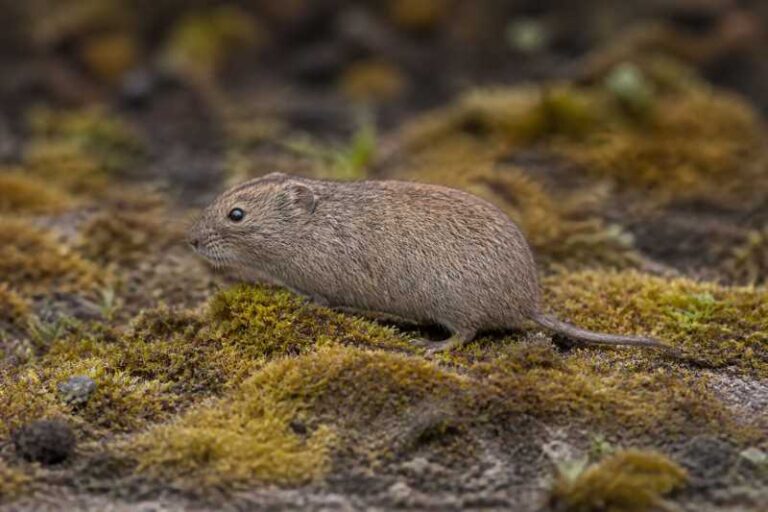
The Ammodile is a small mammal, typically measuring between 10 to 15 centimeters in body length, with a tail that adds another 8 to 12 centimeters. Its fur is soft and dense, providing insulation against the varying temperatures of its habitat. The coloration of the Ammodile’s fur is generally a sandy brown or gray, which serves as effective camouflage against the arid landscapes it inhabits. This coloration helps it blend seamlessly with its surroundings, making it difficult for predators to spot.
One of the distinguishing features of the Ammodile is its elongated snout, which is adapted for digging and foraging. Its front limbs are powerful and equipped with sharp claws, enabling it to excavate burrows and search for food beneath the surface of the ground. The Ammodile’s eyes are relatively small, reflecting its dependence on its acute sense of smell and hearing rather than sight.
Range and Habitat
The Ammodile is primarily found in arid and semi-arid regions, with its range extending across parts of Sub-Saharan Africa. It thrives in habitats such as savannas, scrublands, and deserts, where it can make use of its burrowing abilities. These environments provide the Ammodile with the necessary resources for survival, including access to food, shelter, and protection from predators.
The Ammodile’s burrows are often located in sandy or loose soil, where it can easily excavate tunnels for shelter and nesting. These burrows not only provide protection from the elements but also serve as a refuge from predators. The Ammodile is known to spend a significant amount of time underground, emerging primarily during cooler parts of the day or night to forage for food.
Behavior and Diet
The Ammodile is a solitary and nocturnal creature, exhibiting peak activity during the early morning and late evening hours. This behavior helps it avoid the harsh midday sun and reduces the risk of predation. Despite its solitary nature, the Ammodile is known to communicate with others through a series of vocalizations and scent markings, which play an essential role in territory establishment and mating.
In terms of diet, the Ammodile is an omnivore, feeding on a diverse array of food sources. Its diet primarily consists of seeds, roots, and tubers, which it digs up using its strong forelimbs. Additionally, the Ammodile will consume insects and small invertebrates, providing a protein-rich supplement to its plant-based diet. This varied diet allows the Ammodile to adapt to the seasonal availability of food resources in its environment.
Identification Tips (field recognition cues)
Identifying an Ammodile in the wild can be challenging due to its elusive nature and effective camouflage. However, there are several key identification tips to look for:
- Elongated Snout: The Ammodile’s long snout is a prominent feature that aids in its identification.
- Fur Coloration: Look for the sandy brown or gray fur that blends with the arid landscape.
- Burrow Presence: The presence of small, freshly dug burrows can indicate the presence of an Ammodile.
- Activity Timing: Observations are more likely during early morning or late evening when the Ammodile is active.
- Vocalizations: Listen for soft chirping or squeaking sounds, which are part of their communication repertoire.
Conservation Status (with threats and protections)
Currently, the conservation status of the Ammodile is classified as Least Concern by the International Union for Conservation of Nature (IUCN). However, like many species inhabiting arid regions, the Ammodile faces several threats that could impact its population.
Threats:
- Habitat Destruction: Human activities such as agriculture, urbanization, and mining can lead to habitat loss and fragmentation.
- Climate Change: Altered weather patterns can affect the availability of food and water resources.
- Predation: Natural predators include birds of prey, snakes, and larger mammals.
Protections:
- Conservation Areas: Protected areas and nature reserves help preserve the Ammodile’s natural habitat.
- Research and Monitoring: Ongoing studies provide valuable data on population trends and ecological needs.
- Community Education: Raising awareness about the importance of biodiversity and habitat conservation supports protective efforts.
Frequently Asked Questions
What does the Ammodile eat?
The Ammodile is an omnivorous species, primarily feeding on seeds, roots, and tubers, along with insects and small invertebrates.
Where can I find the Ammodile in the wild?
Ammodiles are typically found in arid and semi-arid regions of Sub-Saharan Africa, inhabiting savannas, scrublands, and deserts.
How does the Ammodile adapt to its environment?
The Ammodile adapts through its burrowing behavior, nocturnal activity, and a varied diet, allowing it to thrive in harsh, arid environments.
What are the main threats to the Ammodile?
The main threats include habitat destruction from human activities, climate change, and natural predation.
How can I help in conserving the Ammodile?
Supporting conservation efforts, promoting habitat protection, and participating in community education initiatives can aid in the conservation of the Ammodile.
Related posts