The Enigmatic Chestnut-crowned Babbler: Social Dynamics and Ecological Significance
The Chestnut-crowned Babbler (Pomatostomus ruficeps) is a captivating bird species that graces the arid landscapes of Australia with its distinctive appearance and intriguing social behaviors. As a member of the Pomatostomidae family, this bird is renowned for its cooperative breeding practices, complex vocalizations, and adaptability to challenging environments. In this article, we delve into the fascinating world of the Chestnut-crowned Babbler, exploring its habitat, behavior, and ecological role.
Physical Characteristics and Identification
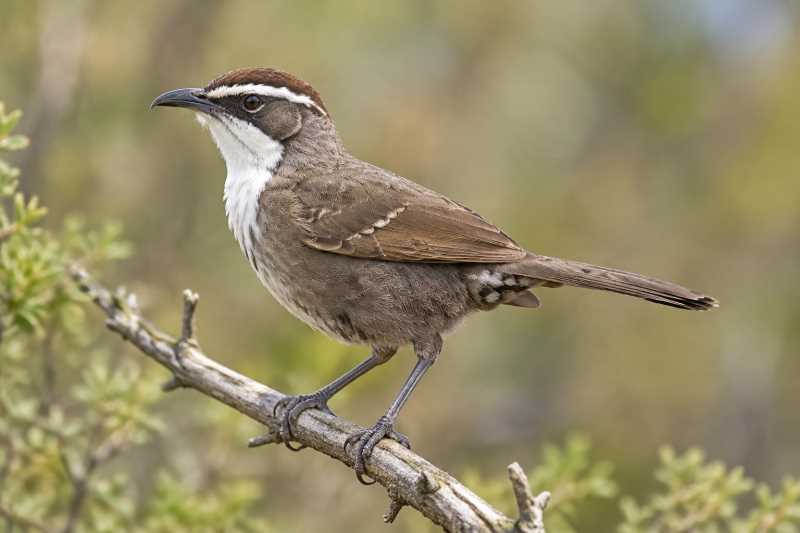
The Chestnut-crowned Babbler is easily recognizable due to its striking plumage and distinctive markings. Measuring about 19 to 22 centimeters in length, this bird is characterized by its rich chestnut-colored crown and nape, which contrast beautifully with its white throat and underparts. The back and wings are predominantly dark brown, and the tail feathers are long and graduated, providing a unique silhouette. Its stout, curved bill is well-adapted for foraging in its arid habitat.
The species exhibits little sexual dimorphism, meaning males and females appear similar in size and color. However, subtle differences can sometimes be observed in individual birds, such as slight variations in crown coloration and overall size.
Habitat and Distribution
The Chestnut-crowned Babbler is predominantly found in the arid and semi-arid regions of inland Australia. It favors open woodlands, shrublands, and mallee habitats, where it can often be seen foraging on the ground or in low vegetation. This adaptability to dry environments is crucial for its survival, as it allows the species to exploit a wide range of habitats that are often inhospitable to other birds.
Their distribution stretches from southeastern Queensland, through New South Wales, and into South Australia and Victoria. While the species is not considered globally threatened, habitat destruction and fragmentation pose significant threats to localized populations.
Social Structure and Behavior
One of the most fascinating aspects of the Chestnut-crowned Babbler is its complex social structure. These birds are highly social and live in cooperative breeding groups that can consist of up to 20 individuals. Within these groups, there is a dominant breeding pair, while the remaining members assist in various tasks such as incubating eggs, feeding chicks, and defending the territory.
This cooperative breeding system is thought to be a response to the unpredictable and harsh conditions of their environment, where group living enhances survival chances. The non-breeding members of the group, often referred to as ‘helpers’, are usually related to the dominant pair, which contributes to the overall genetic fitness of the group.
Vocalizations and Communication
The Chestnut-crowned Babbler is known for its diverse and complex vocal repertoire. These birds communicate using a variety of calls, which serve different purposes such as signaling danger, coordinating group activities, and maintaining social bonds. Their vocalizations are an essential aspect of their social dynamics, and recent studies have shown that their calls can convey specific information about the caller’s identity and intentions.
Intriguingly, the Chestnut-crowned Babbler exhibits vocal mimicry, often imitating the calls of other bird species. This ability is not only a testament to their intelligence but also plays a role in their social interactions and territory defense.
Feeding Habits and Diet
The diet of the Chestnut-crowned Babbler is diverse and primarily consists of insects and other invertebrates. They forage on the ground and in low vegetation, using their strong bills to probe under bark, leaf litter, and soil. During times of scarcity, they may also consume seeds and small fruits.
Their foraging strategy is highly social, with group members often coordinating their movements and sharing information about food sources. This cooperative behavior enhances their efficiency in locating and exploiting food resources, which is crucial in the resource-scarce environments they inhabit.
Conservation and Ecological Significance
While the Chestnut-crowned Babbler is not currently listed as a threatened species, it faces several conservation challenges. Habitat degradation due to agricultural expansion, land clearing, and climate change poses significant risks to its populations. Conservation efforts are focused on preserving and restoring suitable habitats, as well as studying the species to better understand its ecological needs and resilience strategies.
The ecological significance of the Chestnut-crowned Babbler extends beyond its role as a cooperative breeder. As insectivores, they help control insect populations, contributing to the balance of ecosystems in which they reside. Additionally, their social structures and behaviors provide valuable insights into the evolution of cooperation and communication in birds.
Conclusion
The Chestnut-crowned Babbler is a remarkable species that exemplifies the intricacies of avian social systems and adaptability. Its cooperative breeding, complex vocalizations, and ecological roles highlight the importance of protecting this species and its habitat. Continued research and conservation efforts are essential to ensure that the Chestnut-crowned Babbler continues to thrive in the challenging environments it calls home.
With a deeper understanding of the Chestnut-crowned Babbler, we gain not only appreciation for this unique bird but also a broader insight into the delicate balance of life in Australia’s arid landscapes.
Related posts