Introduction
The Ladakh Tibetan Hamster (Urocricetus lama) is a fascinating yet elusive mammal species that inhabits the high-altitude regions of Ladakh in northern India. Known for its distinctive appearance and unique adaptations to harsh climates, this small rodent has sparked interest among researchers and wildlife enthusiasts alike. While not as well-known as its domestic cousins, the Ladakh Tibetan Hamster plays a critical role in its ecosystem, contributing to soil aeration and acting as a prey species for various predators.
This article delves into the various aspects of the Ladakh Tibetan Hamster, including its physical description, habitat preferences, behavior, and diet. Additionally, we will explore the challenges this species faces today and what is being done to ensure its preservation.
Physical Description
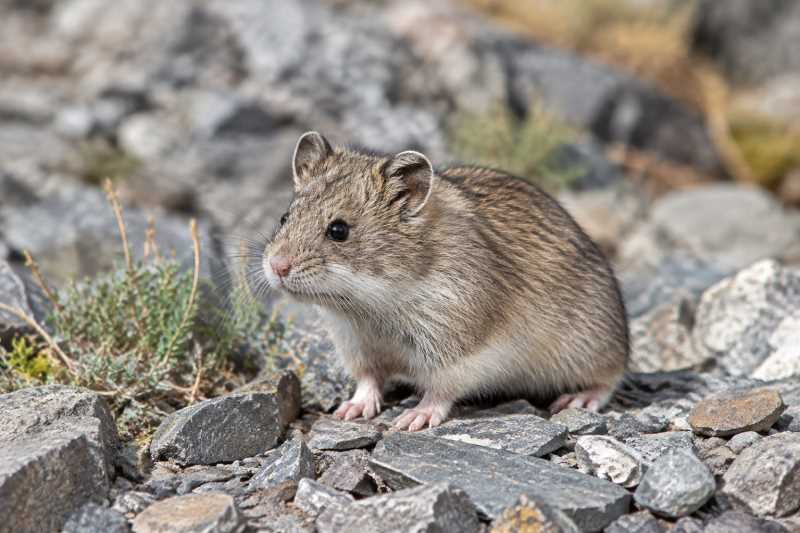
The Ladakh Tibetan Hamster is a small to medium-sized rodent, measuring approximately 12 to 18 centimeters in length, with a tail that adds an extra 2 to 4 centimeters. It has a robust body covered in thick, dense fur that provides insulation against the cold temperatures of its native habitat. The fur is typically a mix of brown, gray, and white, which helps it blend seamlessly into the rocky and snowy landscapes of the Ladakh region.
One of the most striking features of the Ladakh Tibetan Hamster is its large, black eyes, which are well-adapted for low-light conditions. Its small, rounded ears are covered with fine hairs, reducing heat loss and providing protection against the wind. The hamster’s forelimbs are shorter than its hind limbs, and all four limbs are equipped with sharp claws, making it an adept digger.
Range and Habitat
The Ladakh Tibetan Hamster is endemic to the high-altitude regions of Ladakh, a union territory in northern India, situated at the northern extremity of the Indian subcontinent. This region is characterized by its rugged terrain, steep mountain slopes, and sparse vegetation.
These hamsters primarily occupy the alpine and subalpine zones, typically between elevations of 3,000 to 5,000 meters. They favor rocky outcrops and crevices where they can find shelter from predators and extreme weather conditions. The sparse vegetation in these areas includes grasses, sedges, and a variety of alpine herbs, which provide both food and nesting material.
Behavior and Diet
The Ladakh Tibetan Hamster is primarily nocturnal, emerging from its burrow at dusk to forage for food. It is a solitary animal, with each individual maintaining a territory that it defends aggressively against intruders.
Its diet is predominantly herbivorous, consisting of seeds, grasses, and various alpine plants. During the short summer season, the hamster collects and stores food in its burrow to ensure it has enough to survive the harsh winter months when food is scarce. Occasionally, it may also consume insects and other small invertebrates to supplement its diet.
The hamster’s burrows are complex structures, featuring multiple entrances and chambers for storing food and nesting. These burrows provide refuge from predators and protection against the cold.
Identification Tips (field recognition cues)
Identifying the Ladakh Tibetan Hamster in the wild can be challenging due to its elusive nature and the remote areas it inhabits. However, there are several field recognition cues that can aid in identification:
- Fur Coloration: Look for the distinctive brown, gray, and white fur that blends with the rocky surroundings.
- Size and Shape: Note the hamster’s compact body, large eyes, and rounded ears.
- Burrow Entrances: Spot the multiple entrances of their shallow burrows in rocky areas.
- Activity Patterns: Observe their nocturnal activity; they are more likely to be seen at dusk or dawn.
Conservation Status (with threats and protections)
Currently, the conservation status of the Ladakh Tibetan Hamster is not well-documented due to its remote habitat and the limited research conducted on the species. However, it is believed that the hamster faces several threats that could impact its population.
Threats
- Habitat Loss: Expansion of human settlements and agricultural activities can lead to habitat fragmentation.
- Climate Change: Rising temperatures and changing precipitation patterns threaten the delicate alpine ecosystems.
- Predation: Increased predation from natural predators like birds of prey and introduced species.
Protections
Efforts to protect the Ladakh Tibetan Hamster involve habitat conservation and monitoring programs. The establishment of protected areas in Ladakh aims to preserve the unique alpine habitats and mitigate the effects of human encroachment and climate change.
Frequently Asked Questions
- What does the Ladakh Tibetan Hamster eat?
The Ladakh Tibetan Hamster primarily feeds on seeds, grasses, and alpine plants. It may also eat insects to supplement its diet.
- Where can the Ladakh Tibetan Hamster be found?
This species is native to the high-altitude regions of Ladakh, India, typically inhabiting areas between 3,000 and 5,000 meters in elevation.
- How does the Ladakh Tibetan Hamster adapt to its environment?
The hamster has thick fur for insulation, sharp claws for digging, and a nocturnal lifestyle to avoid predators and extreme temperatures.
- Is the Ladakh Tibetan Hamster endangered?
The conservation status is not well-documented, but habitat loss, climate change, and predation are potential threats.
- How can I identify a Ladakh Tibetan Hamster?
Look for its distinctive fur coloration, compact body, large eyes, rounded ears, and burrow entrances in rocky areas.
Related posts