The Enigmatic Peruvian Recurvebill: A Deep Dive into Syndactyla ucayalae
The avian world is filled with fascinating and unique species, each contributing to the diverse tapestry of life on Earth. Among these intriguing birds is the Peruvian Recurvebill (Syndactyla ucayalae), a species that has captivated ornithologists and birdwatchers alike with its distinctive features and elusive nature. As a member of the Furnariidae family, this bird is not only a symbol of Peru’s rich biodiversity but also a testament to the adaptive wonders of evolution.
Taxonomy and Identification
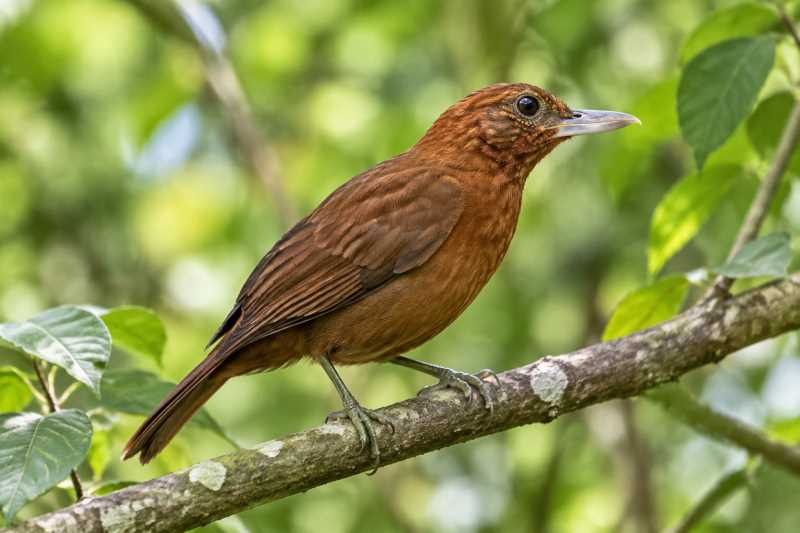
The Peruvian Recurvebill belongs to the order Passeriformes and the family Furnariidae, commonly known as ovenbirds or woodcreepers. It was first described in 1916 by the German ornithologist Hans von Berlepsch. This bird is characterized by its modest size, measuring approximately 20 centimeters in length. Its plumage is primarily olive-brown with a paler underside, which provides excellent camouflage against the forest backdrop.
The most distinctive feature of the Peruvian Recurvebill is, as its name suggests, its bill. The upper mandible is noticeably curved, a trait that differentiates it from other members of the Furnariidae family. The bill’s curvature is believed to be an evolutionary adaptation, allowing the bird to forage more efficiently in its specialized habitat.
Habitat and Distribution
The Peruvian Recurvebill is endemic to Peru, with its range primarily confined to the lowland forests east of the Andes. These birds thrive in subtropical or tropical moist lowland forests, often found at elevations ranging from 200 to 1,100 meters above sea level. Their habitat is typically composed of dense, humid woodlands, where they can navigate and forage with ease.
Despite its relatively limited range, the Peruvian Recurvebill’s preference for dense forest environments has made it challenging to study. Much of what is known about this species comes from observations within protected areas such as the Manu National Park, a UNESCO World Heritage Site renowned for its incredible biodiversity.
Behavior and Ecology
The Peruvian Recurvebill is a diurnal bird, most active during the daylight hours. It is often seen foraging in pairs or small family groups, meticulously searching for insects and other small invertebrates hidden in the bark and foliage. The bird’s unique bill shape plays a crucial role in its foraging strategy, enabling it to extract prey from crevices and other hard-to-reach places.
These birds are also known for their distinctive vocalizations, which they use to communicate with each other and establish territories. Their calls are a series of harsh notes, often repeated in quick succession. Despite their vocal nature, they are more often heard than seen due to their preference for dense cover.
Conservation Status
The Peruvian Recurvebill is currently listed as Near Threatened on the IUCN Red List. The primary threat to its survival is habitat destruction, driven by deforestation and agricultural expansion in the Amazon Basin. The loss of suitable habitat poses a significant risk to the species, as it relies heavily on intact forest ecosystems for survival.
Conservation efforts are underway to protect the habitats of the Peruvian Recurvebill, with several initiatives focusing on preserving the biodiversity of the Peruvian Amazon. Continued research and monitoring are essential to ensure this unique bird’s survival, as is the promotion of sustainable land-use practices that balance human needs with ecological preservation.
The Role of Citizen Science
Citizen science has become an invaluable tool in the study and conservation of elusive species like the Peruvian Recurvebill. Birdwatchers and local communities play a crucial role in gathering data on the distribution and behavior of these birds. Platforms such as eBird, managed by the Cornell Lab of Ornithology, have helped compile extensive databases of bird sightings, contributing to a better understanding of their ecology and informing conservation strategies.
Conclusion
The Peruvian Recurvebill is a remarkable example of nature’s ingenuity, a testament to the diversity of life that calls the Peruvian Amazon home. As a species, it embodies the delicate balance of ecosystems and the intricate relationships within them. Protecting such a unique bird requires a collaborative effort, combining scientific research, conservation initiatives, and community engagement.
In a world where biodiversity faces unprecedented threats, the Peruvian Recurvebill serves as a reminder of the wonders that still exist and the importance of preserving them for future generations. Through continued efforts and awareness, we can ensure that this enigmatic species remains a part of our natural heritage.
Related posts