Introduction
The fascinating world of mammals is filled with diverse and captivating species, each with its unique adaptations and ecological roles. Among these intriguing creatures is Hewitt’s Red Rock Hare (Pronolagus saundersiae), a lesser-known but equally fascinating species. This article delves into the world of Hewitt’s Red Rock Hare, exploring its physical characteristics, habitat, behavior, and conservation status. Whether you’re a wildlife enthusiast, a conservationist, or simply curious about this elusive species, this comprehensive guide offers valuable insights into the life of Hewitt’s Red Rock Hare.
Physical Description
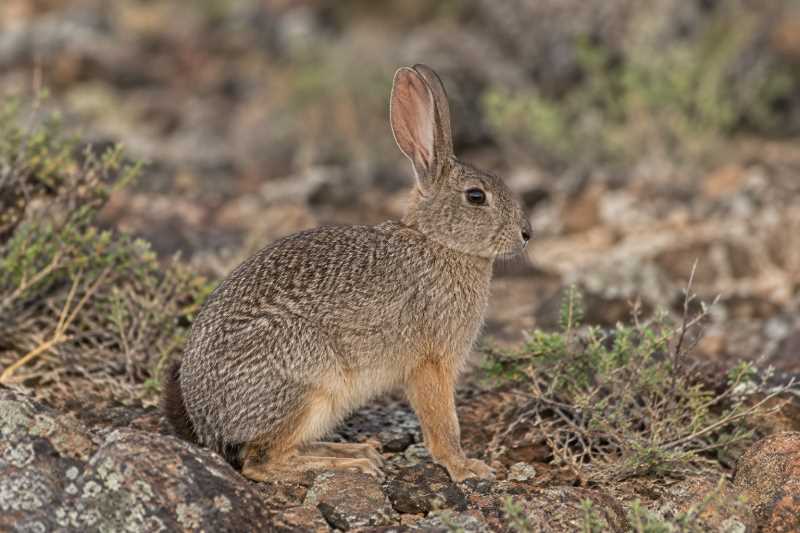
Hewitt’s Red Rock Hare is a medium-sized mammal belonging to the family Leporidae, which also includes rabbits and hares. Characterized by its distinctive reddish-brown fur, this species exhibits a vibrant coloration that helps it blend seamlessly with its rocky environment. The fur is dense and soft, providing insulation against varying temperatures.
An adult Hewitt’s Red Rock Hare typically measures around 40 to 50 centimeters in length and weighs between 1.5 to 2 kilograms. The species exhibits sexual dimorphism, with males generally larger than females. Its long ears, measuring around 10 to 12 centimeters, are a notable feature, aiding in thermoregulation and acute hearing.
The hind legs of Hewitt’s Red Rock Hare are strong and well-adapted for leaping across rocky terrains, enabling quick escapes from predators. Its tail, though relatively short, adds to its agility and balance while navigating its rugged habitat.
Range and Habitat
Hewitt’s Red Rock Hare is endemic to South Africa, primarily inhabiting the rocky outcrops and mountainous regions of the Eastern Cape province. This preference for rocky terrain is a unique adaptation, as the hare utilizes crevices and boulders for shelter and protection from predators.
The species is typically found at elevations ranging from 500 to 2,000 meters above sea level. The habitat selection is influenced by the availability of cover and forage, with the hare favoring areas with abundant grasses and shrubs. Seasonal variations in temperature and vegetation also play a significant role in determining their habitat preferences.
Behavior and Diet
Hewitt’s Red Rock Hare is predominantly nocturnal, spending daylight hours hidden within rocky crevices or dense vegetation. This behavior is a survival strategy to avoid the heat of the day and the threat of predators. At dusk, the hare becomes active, foraging for food and engaging in social interactions.
The diet of Hewitt’s Red Rock Hare primarily consists of grasses, herbs, and shrubs. Being a herbivore, it relies on the available vegetation within its habitat, which can vary seasonally. During dry periods, the hare may also consume bark and twigs to supplement its diet.
Socially, Hewitt’s Red Rock Hare is relatively solitary, though it may be seen in small groups during the breeding season. Mating occurs throughout the year, with a peak in activity during the spring and summer months. Females give birth to one to three offspring after a gestation period of approximately six weeks.
Identification Tips (Field Recognition Cues)
Identifying Hewitt’s Red Rock Hare in the field requires attention to specific cues:
- Coloration: Look for the distinctive reddish-brown fur, which is a key identifying feature.
- Habitat: Focus on rocky outcrops and mountainous regions, as the hare is highly adapted to these environments.
- Size and Shape: Note the medium size, long ears, and strong hind legs, which are characteristic of this species.
- Behavior: Observe nocturnal activity patterns, as the hare is primarily active at night.
Conservation Status (With Threats and Protections)
Hewitt’s Red Rock Hare is currently classified as "Least Concern" on the IUCN Red List, indicating that the species is not immediately threatened with extinction. However, its population is subject to several threats that could impact its long-term survival.
Threats
- Habitat Destruction: Human activities such as agriculture, urban development, and mining have led to the loss of suitable habitats for the hare.
- Predation: Natural predators like birds of prey, jackals, and snakes pose a constant threat.
- Climate Change: Alterations in climate patterns can affect the availability of food and suitable habitat.
Protections
Efforts to conserve Hewitt’s Red Rock Hare focus on habitat preservation and management. Protected areas and nature reserves play a crucial role in safeguarding the species’ habitat. Additionally, public awareness campaigns aim to educate local communities about the importance of conserving this unique mammal.
Frequently Asked Questions
1. What is the lifespan of Hewitt’s Red Rock Hare?
Hewitt’s Red Rock Hare typically lives for 4 to 6 years in the wild. However, factors such as predation, habitat quality, and availability of food can influence its lifespan.
2. How does Hewitt’s Red Rock Hare adapt to its environment?
The hare’s adaptations include its reddish-brown fur for camouflage, strong hind legs for navigating rocky terrains, and nocturnal behavior to avoid predators and heat.
3. Are there any conservation programs for Hewitt’s Red Rock Hare?
Yes, conservation programs focus on habitat preservation and public education. Protected areas and nature reserves are essential in maintaining the hare’s natural habitat.
4. How can I help in the conservation of Hewitt’s Red Rock Hare?
You can contribute by supporting conservation organizations, advocating for habitat protection, and spreading awareness about the species.
5. What threats does climate change pose to Hewitt’s Red Rock Hare?
Climate change can lead to alterations in habitat conditions, affecting food availability and increasing the risk of habitat loss due to extreme weather events.
Related posts