The Enigmatic White-breasted Babbler: A Comprehensive Insight
In the lush, dense forests of Southeast Asia, a small, elusive bird flits through the undergrowth, its presence often betrayed only by its melodious calls. This is the White-breasted Babbler (Stachyris grammiceps), a species that captivates bird enthusiasts and ornithologists alike with its charm and mystery. Despite its relatively small size, the White-breasted Babbler plays a significant role in the rich tapestry of the ecosystems it inhabits. This article delves into the fascinating world of this avian species, exploring its habitat, behavior, conservation status, and the challenges it faces in an ever-changing environment.
Habitat and Distribution
The White-breasted Babbler is native to the Southeast Asian region, with its range spanning across countries such as Thailand, Malaysia, Indonesia, and the Philippines. These birds are predominantly found in lowland forests, preferring the dense thickets and underbrush where they can forage for insects and small invertebrates. The babblers are particularly associated with primary and secondary forests, though they can also be found in plantations and disturbed areas, indicating a certain level of adaptability.
One of the defining characteristics of the White-breasted Babbler’s habitat is its reliance on humid, tropical environments. The lush foliage not only provides ample food resources but also offers protection from predators. However, this dependence on specific habitat types makes the babbler vulnerable to habitat loss, a growing concern in many parts of its range due to deforestation and land conversion.
Physical Characteristics and Behavior
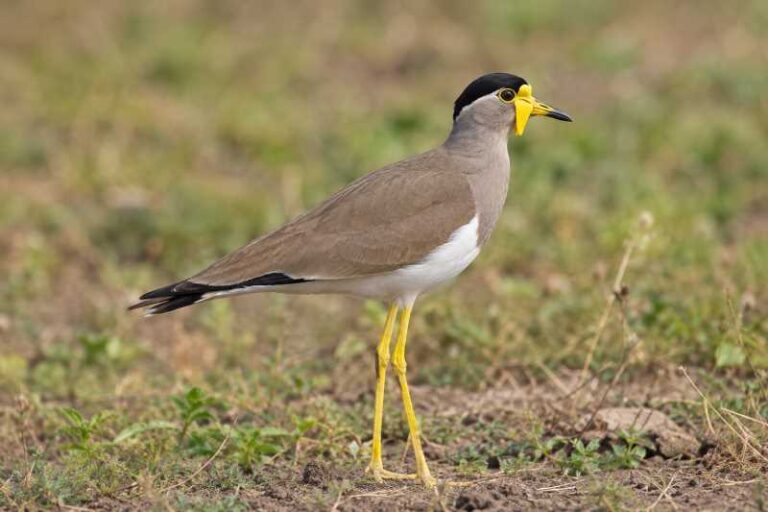
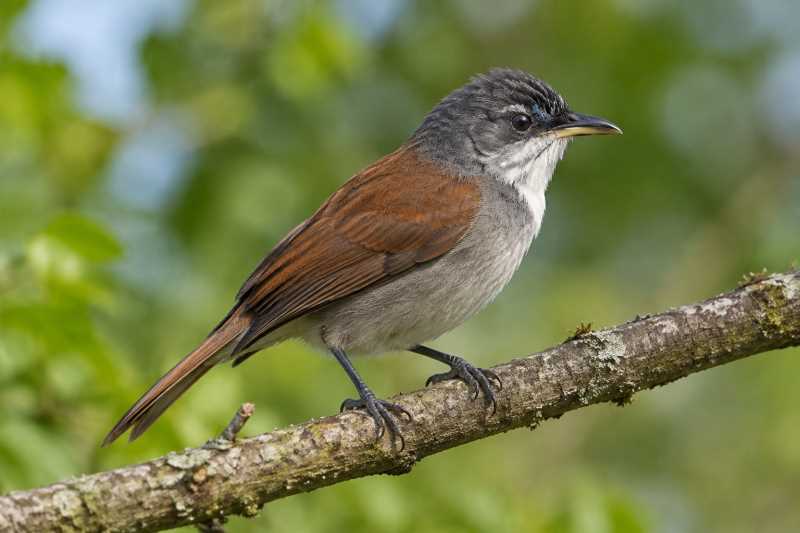
With a length of approximately 14 centimeters, the White-breasted Babbler is a small bird, yet its distinctive plumage makes it easily recognizable. It boasts a striking white breast and throat, contrasted by a darker brown back and wings. The head is adorned with a subtle yet elegant pattern, enhancing its visual appeal.
Behaviorally, the White-breasted Babbler is known for its social nature. These birds are often observed in small groups, engaging in cooperative foraging. Their diet mainly consists of insects, which they adeptly extract from foliage and leaf litter. The babbler’s vocalizations are another noteworthy aspect of its behavior. Known for their complex calls, these birds communicate through a series of whistles and chirps, which play a crucial role in maintaining group cohesion and territory defense.
Breeding and Lifecycle
The breeding habits of the White-breasted Babbler, though not extensively documented, reveal a fascinating glimpse into their life cycle. These birds are believed to breed during the wet season when food availability is at its peak. Nests are typically constructed in dense foliage, offering concealment from predators. The female lays a clutch of two to four eggs, which are incubated collaboratively by both parents.
Chick rearing is a communal effort, with group members often assisting in feeding and protecting the young. This cooperative breeding strategy is thought to enhance the survival rates of offspring in the challenging forest environment.
Conservation Status and Challenges
The White-breasted Babbler is currently listed as Least Concern by the International Union for Conservation of Nature (IUCN). However, this status does not imply that the species is free from threats. Habitat destruction, primarily due to logging and agricultural expansion, poses a significant threat to the babbler’s populations. Moreover, climate change and its impact on forest ecosystems further exacerbate these challenges.
Conservation efforts are crucial to ensure the survival of the White-breasted Babbler. Protecting and restoring forest habitats, along with implementing sustainable land-use practices, are vital steps in safeguarding the future of this species. Additionally, further research into their ecology and behavior will aid in devising effective conservation strategies.
Conclusion
The White-breasted Babbler, with its enchanting presence and vital role in forest ecosystems, is a testament to the biodiversity of Southeast Asia. While it continues to thrive in certain areas, the ongoing threats it faces underscore the importance of concerted conservation efforts. By understanding and protecting this species, we contribute to the preservation of the intricate web of life that sustains our planet.
In conclusion, the White-breasted Babbler is more than just a bird; it is a symbol of the delicate balance that exists within tropical forests. As we strive to protect our natural world, let this charming bird remind us of the beauty and complexity that nature offers, urging us to act in its defense.
Related posts