The Enigmatic Santa Marta Bush Tyrant: Guardian of the Colombian Highlands
The Santa Marta Bush Tyrant, scientifically known as Myiotheretes pernix, is a remarkable avian species that captures the imagination of ornithologists and nature enthusiasts alike. Nestled within the isolated peaks of the Sierra Nevada de Santa Marta in northern Colombia, this bird is not only a symbol of biodiversity but also a testament to the richness of life that thrives in the region’s unique ecosystems.
A Unique Habitat
The Santa Marta Bush Tyrant is endemic to the Sierra Nevada de Santa Marta, a mountain range that is considered one of the most important centers of endemism in the world. This isolated range rises abruptly from the Caribbean coast, providing a variety of habitats ranging from tropical forests to high-altitude páramo. The bush tyrant predominantly inhabits the subtropical and tropical moist montane forests, often at elevations between 2,500 and 3,200 meters.
This environment is characterized by dense fog, high humidity, and a rich diversity of plant life, providing the perfect conditions for the Santa Marta Bush Tyrant to thrive. The bird’s preference for high-altitude forests makes it difficult to study, contributing to its elusive reputation.
Physical Characteristics
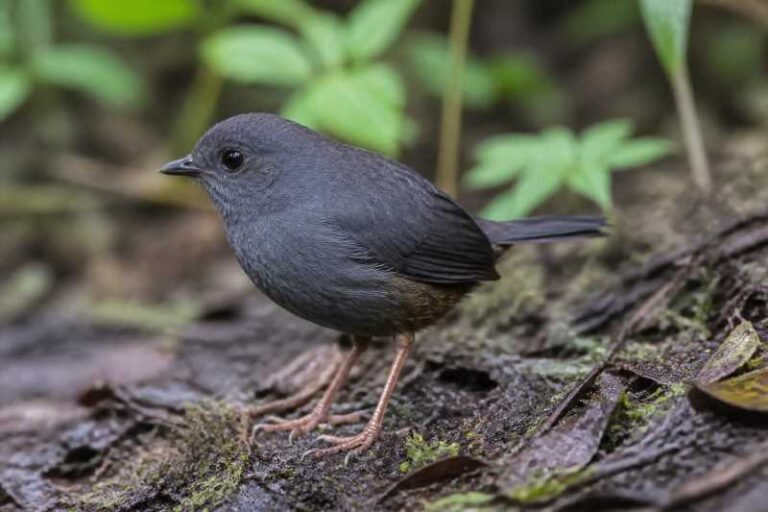
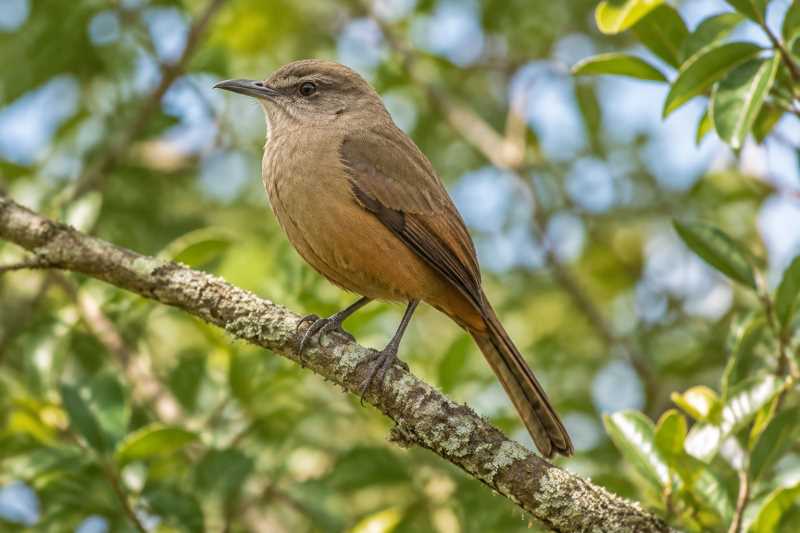
The Santa Marta Bush Tyrant is a medium-sized passerine bird, displaying a striking combination of colors and features. It boasts a predominantly olive-brown plumage with a distinctive rufous tail and wings. The bird’s underparts are paler, often with a subtle yellowish hue. Its strong bill and agile flight make it a proficient insect hunter, darting through the forest canopy in search of prey.
The bird’s vocalizations are equally notable, consisting of a series of melodious whistles and calls that resonate through the misty forest. These calls play a crucial role in both territory establishment and mate attraction.
Ecological Significance
As an insectivorous bird, the Santa Marta Bush Tyrant plays a vital role in controlling insect populations within its habitat. This ecological function is essential for maintaining the balance of the forest ecosystem, ensuring that no single species becomes overly dominant.
Furthermore, the presence of the bush tyrant is indicative of the health of its environment. As a species sensitive to habitat changes, its presence is often used as a bioindicator to assess the ecological integrity of the region.
Conservation Status and Threats
The Santa Marta Bush Tyrant is listed as Vulnerable on the IUCN Red List, primarily due to its restricted range and declining population. The primary threat to its survival is habitat loss, driven by deforestation for agriculture, cattle grazing, and human settlement expansion. The encroachment of these activities into the bird’s natural habitat reduces the availability of suitable nesting and feeding sites.
Climate change also poses a significant threat, altering the delicate balance of the high-altitude ecosystems where the bird resides. Changes in temperature and precipitation patterns can lead to habitat shifts, further endangering the species.
Conservation Efforts
Efforts to conserve the Santa Marta Bush Tyrant and its habitat are ongoing but face numerous challenges. Conservation organizations and local communities are working together to establish protected areas within the Sierra Nevada de Santa Marta. These initiatives aim to preserve not only the bush tyrant but also the myriad of other endemic species that call this region home.
Environmental education and sustainable agriculture practices are also being promoted to mitigate the impact of human activities on the environment. By raising awareness about the importance of biodiversity and ecosystem services, these efforts seek to foster a harmonious coexistence between humans and nature.
The Role of Ecotourism
Ecotourism presents a potential avenue for positive change, offering an alternative source of income for local communities while promoting conservation. Birdwatching tours focused on the unique avian fauna of the Sierra Nevada de Santa Marta, including the bush tyrant, have the potential to raise awareness and support for conservation efforts.
However, it is crucial that ecotourism is managed sustainably to ensure that it does not adversely affect the habitats it aims to protect. Responsible tourism practices, such as limiting visitor numbers and ensuring minimal disturbance to wildlife, are essential components of a successful ecotourism strategy.
Conclusion
The Santa Marta Bush Tyrant stands as a symbol of the rich biodiversity and ecological importance of the Sierra Nevada de Santa Marta. Its survival is intrinsically linked to the health of its habitat, making conservation efforts crucial not only for the bird but for the entire ecosystem.
By addressing the threats posed by habitat loss and climate change, and promoting sustainable practices, we can ensure that this enigmatic guardian of the Colombian highlands continues to enchant and inspire future generations.
The story of the Santa Marta Bush Tyrant is a reminder of the intricate connections that bind us to the natural world and the responsibility we bear to protect it. In safeguarding this species, we contribute to the preservation of a natural heritage that enriches our planet.
Related posts