The Red-winged Prinia (Prinia erythroptera): A Detailed Exploration
The Red-winged Prinia, scientifically known as Prinia erythroptera, is a captivating bird species that inhabits various regions across Africa. Renowned for its vibrant plumage and distinct song, this bird is a subject of interest for ornithologists and bird enthusiasts alike. This article delves into the intricate details of this species, exploring its habitat, behavior, and conservation status.
Habitat and Distribution
The Red-winged Prinia is predominantly found in Sub-Saharan Africa, with its range extending from Senegal and Gambia in the west to Ethiopia and Kenya in the east. It thrives in habitats that offer a mix of open grasslands and bushy areas, often near water bodies. This bird favors environments that provide ample coverage and food resources, such as savannas and scrublands.
One of the remarkable aspects of the Red-winged Prinia is its adaptability to different habitats. While it prefers natural grasslands, the species has also been observed in agricultural lands and urban green spaces, showcasing its ability to coexist with human-altered landscapes.
Physical Characteristics
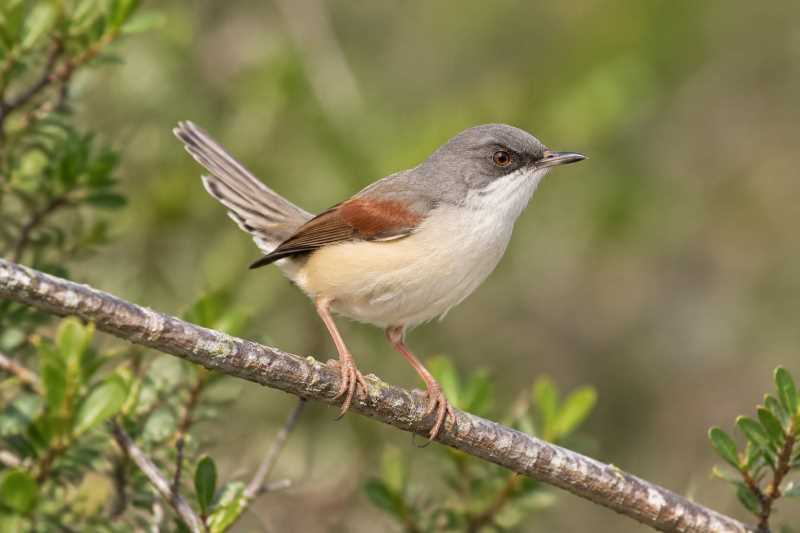
The Red-winged Prinia is a small bird, measuring approximately 12-14 cm in length. It is easily recognizable by its striking plumage, which features a blend of earthy tones and vivid highlights. The upper parts are primarily olive-brown, while the underparts are a lighter, creamy color. The bird gets its name from the noticeable red patch on its wings, which stands out when the bird is in flight.
The tail is relatively long and often held upright, a characteristic behavior of many prinia species. Its bill is slender and slightly curved, adapted for foraging insects and small invertebrates. Male and female Red-winged Prinias are similar in appearance, although males might exhibit slightly brighter coloring during the breeding season.
Behavior and Diet
Red-winged Prinias are known for their active and agile behavior. They are often seen hopping through dense vegetation or flitting from branch to branch in search of food. Their diet primarily consists of insects, including beetles, caterpillars, and spiders, supplemented by seeds and small fruits when available.
These birds are also noted for their vocalizations. They produce a series of trills and whistles, often used in communication between mates or to mark their territory. The song of the Red-winged Prinia is both complex and melodious, making it a delightful presence in its natural habitat.
Breeding and Reproduction
The breeding season for the Red-winged Prinia varies depending on the geographical location and environmental conditions. Generally, it coincides with the rainy season when food resources are abundant. During this time, males engage in elaborate displays to attract females, often involving vocal performances and aerial acrobatics.
Once a pair bonds, they work together to build a nest, usually concealed within dense foliage or tall grass. The nest is cup-shaped and constructed from grasses and plant fibers. The female typically lays two to four eggs, which she incubates for about 12-14 days. Both parents participate in feeding the chicks, which fledge approximately two weeks after hatching.
Conservation Status
Currently, the Red-winged Prinia is classified as a species of Least Concern by the International Union for Conservation of Nature (IUCN). Despite this, habitat destruction and environmental changes pose potential threats to its populations. Urbanization and agricultural expansion can lead to the loss of natural habitats, while climate change may affect the availability of food resources.
Conservation efforts for the Red-winged Prinia often focus on habitat preservation and the promotion of biodiversity-friendly agricultural practices. Birdwatching initiatives and community engagement also play a crucial role in raising awareness about the importance of protecting this species and its environment.
Conclusion
The Red-winged Prinia is a remarkable example of nature’s beauty and adaptability. Its vibrant plumage, lively behavior, and enchanting song make it a treasured sight in the African landscape. While it currently enjoys a stable population, ongoing conservation efforts are essential to ensure that future generations can continue to appreciate this unique bird.
In summary, the Red-winged Prinia is more than just a bird; it is a vital component of its ecosystem, contributing to the rich tapestry of life in Africa. By understanding and protecting this species, we take a step towards preserving the natural world for future generations.
Related posts