A Closer Look at the Yellow-breasted Warbler (Phylloscopus montis)
The Yellow-breasted Warbler, scientifically known as Phylloscopus montis, is a captivating avian species that enchants bird enthusiasts and ornithologists alike. With its vibrant plumage and melodious songs, this small passerine bird plays a significant role in the ecosystems it inhabits. This article delves into the characteristics, habitat, behavior, and conservation status of the Yellow-breasted Warbler, offering a comprehensive understanding of this remarkable species.
Characteristics and Appearance
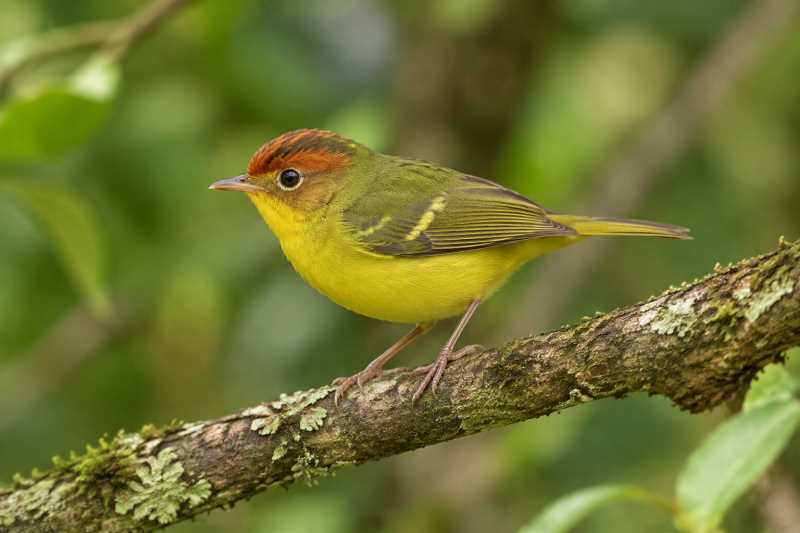
The Yellow-breasted Warbler is a small bird, typically measuring around 10 centimeters in length. Its most striking feature is its bright yellow breast, which contrasts beautifully with its olive-green upperparts. The bird’s underparts are predominantly white, with some subtle streaks that add to its charm. Its eyes are dark and alert, encapsulated by a thin white eye-ring that gives it an inquisitive appearance. The wings and tail are adorned with shades of green and brown, providing effective camouflage in its natural habitat.
Habitat and Distribution
Phylloscopus montis is predominantly found in the montane forests of Southeast Asia, with significant populations in countries like Malaysia, Indonesia, and Thailand. These birds thrive in the lush, humid environments of montane and submontane forests, where they can be found flitting through the dense foliage in search of insects. The elevation range typically spans from 1,000 to 3,000 meters, where the climate and vegetation are conducive to their survival.
The Yellow-breasted Warbler is a non-migratory bird, which means it remains in its preferred habitat throughout the year. This stability in habitat preference underscores the importance of preserving montane forest ecosystems to ensure the survival of this species.
Behavioral Traits
Yellow-breasted Warblers are known for their active and agile behavior. They are insectivorous, primarily feeding on a diet of small insects, spiders, and other arthropods. Their foraging technique involves gleaning insects from leaves and branches, often hanging upside down or hovering momentarily to capture their prey. This energetic feeding strategy is a testament to their adaptability and skill in navigating their complex environment.
These warblers are also known for their distinctive vocalizations. Their song is a series of high-pitched, melodious notes that resonate through the forest canopy. This vocal prowess plays a crucial role in communication, territory establishment, and mate attraction. During the breeding season, males are particularly vocal, using their songs to court females and ward off rival males.
Breeding and Reproduction
The breeding season for the Yellow-breasted Warbler typically occurs during the warmer months when food is abundant. Nesting sites are usually located in dense foliage, providing concealment from predators. The nests are intricately woven structures made from twigs, leaves, and grass, often lined with softer materials like feathers and moss.
Females lay a clutch of around 3 to 5 eggs, which are incubated for approximately two weeks. Both parents participate in feeding the chicks, showcasing a cooperative approach to raising their young. The fledglings leave the nest after about two weeks, though they remain dependent on their parents for food and protection for a short period thereafter.
Conservation Status and Threats
Currently, the Yellow-breasted Warbler is not classified as a threatened species, benefiting from its relatively stable population across its range. However, like many forest-dependent birds, it faces potential threats from habitat loss due to deforestation, agricultural expansion, and climate change. The preservation of montane forest habitats is crucial to ensuring the long-term survival of this species.
Conservation efforts should focus on habitat protection, sustainable land-use practices, and raising awareness about the ecological importance of these forests. Additionally, research into the species’ ecology and population dynamics can provide valuable insights into effective conservation strategies.
Conclusion
The Yellow-breasted Warbler is a vibrant and charismatic bird that adds life and color to the montane forests of Southeast Asia. Its presence in these ecosystems highlights the intricate balance of nature and the importance of preserving biodiversity. By understanding and protecting the habitats of species like Phylloscopus montis, we contribute to the conservation of our planet’s rich natural heritage.
In conclusion, the Yellow-breasted Warbler serves as a reminder of the beauty and complexity of our natural world. Through continued conservation efforts and a deeper appreciation of these avian wonders, we can ensure that future generations will also have the privilege of witnessing their enchanting presence in the wild.
Related posts