The Rufous-bellied Triller: An Enigmatic Avian Jewel of Southeast Asia
The Rufous-bellied Triller (Lalage aurea) is a captivating bird species belonging to the family Campephagidae, commonly known as cuckoo-shrikes. This intriguing bird is primarily found in the tropical regions of Southeast Asia, particularly in countries like Indonesia, the Philippines, and parts of Malaysia. Known for its distinctive rufous-colored belly and melodious calls, the Rufous-bellied Triller is not only a visual delight but also a subject of interest for ornithologists and bird enthusiasts alike.
Taxonomy and Classification
The Rufous-bellied Triller is classified under the genus Lalage, which comprises several species of trillers. The scientific name "Lalage aurea" underscores its golden-hued plumage, with "aurea" translating to "golden" in Latin. This species, like other trillers, was once grouped with shrikes due to similarities in feeding habits and morphology, but further studies have positioned them uniquely within the Campephagidae family.
Physical Characteristics
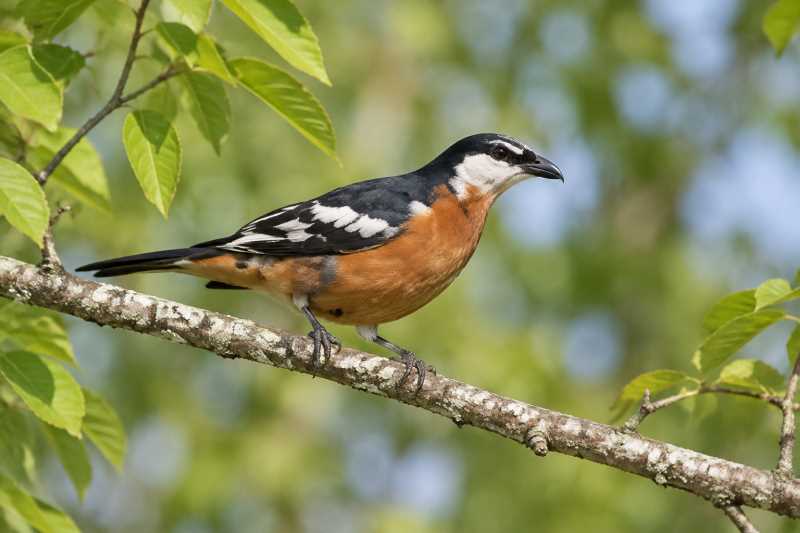
A medium-sized bird, the Rufous-bellied Triller measures approximately 18-20 centimeters in length. It boasts a striking plumage with a blend of colors that make it easily identifiable. The upper parts of the bird are predominantly dark with a glossy sheen, while the underparts are a rich rufous-orange, giving the species its common name. The wings and tail are usually dark, contrasting with the light-colored belly. Both males and females exhibit similar plumage, although males tend to have slightly brighter colors.
Habitat and Distribution
The Rufous-bellied Triller thrives in lowland and montane forests, often seen flitting about in the tree canopy. It prefers dense, humid environments where it can forage for insects and fruits. This species’ distribution is relatively limited to the islands of Southeast Asia, with significant populations in the Philippines and Indonesia’s Sulawesi region. Its presence in Malaysia is less pronounced, often restricted to suitable forest habitats.
Behavior and Ecology
Rufous-bellied Trillers are known for their active foraging behavior. They primarily feed on insects, supplemented by fruits and berries. Their foraging strategy involves agile movements through the foliage, snatching prey from leaves and branches. These birds are often observed in pairs or small groups, displaying a social structure that aids in efficient foraging and predator awareness.
Vocalizations are a key aspect of their behavior, with a variety of calls used for communication. These calls are often melodious and complex, serving functions ranging from territorial defense to mate attraction. Observations have noted how these vocal displays play a crucial role during the breeding season, enhancing pair bonds and coordinating activities between mates.
Breeding and Reproduction
Breeding for the Rufous-bellied Triller generally occurs during the wet season when food resources are abundant. The species is monogamous, forming long-term pair bonds. Nests are typically built high in trees, constructed from twigs, leaves, and other plant materials. The female lays a clutch of two to three eggs, which are incubated by both parents.
Parental care is a shared responsibility, with both the male and female participating in feeding and protecting the chicks. The young fledge approximately three weeks after hatching, but continue to be dependent on the parents for food and protection until they can fend for themselves.
Conservation Status
Currently, the Rufous-bellied Triller is listed as "Least Concern" by the IUCN Red List. However, habitat destruction due to deforestation and land conversion for agriculture poses a significant threat to its populations. Conservation efforts are crucial to ensure the sustainability of the habitats that these birds depend on. Protected areas and sustainable forestry practices are vital in preserving their ecological niche.
Importance in Ecosystem
The Rufous-bellied Triller plays an important role in its ecosystem as both a predator and a seed disperser. By feeding on insects, it helps control pest populations, contributing to the ecological balance. Additionally, its consumption of fruits aids in seed dispersal, promoting forest regeneration and biodiversity.
Conclusion
The Rufous-bellied Triller is a remarkable bird that embodies the rich biodiversity of Southeast Asia’s tropical forests. Its vibrant plumage and intriguing behavior make it a subject of fascination for birdwatchers and researchers. As with many species in biodiversity hotspots, the Rufous-bellied Triller faces threats from human activities. Continued conservation efforts and habitat protection are essential to ensure that this avian treasure thrives for generations to come.
By fostering awareness and promoting sustainable practices, we can contribute to the preservation of this enigmatic species and the vibrant ecosystems it inhabits.
Related posts