Exploring the Unique Biodiversity of McGregor’s Cuckooshrike
Introduction
McGregor’s Cuckooshrike (Malindangia mcgregori) stands as a testament to the rich biodiversity of the Philippines, particularly within the island of Mindanao. This elusive bird is a member of the Campephagidae family, which is known for its distinct feeding habits and striking physical characteristics. The cuckooshrike family includes medium-sized passerine birds, showcasing a remarkable blend of features that make them both fascinating and vital to their ecosystems.
Taxonomy and Nomenclature
McGregor’s Cuckooshrike is scientifically classified under the genus Malindangia and the species name mcgregori. The bird was named in honor of Richard McGregor, an early 20th-century ornithologist who made significant contributions to the study of Philippine avifauna. Despite its relative obscurity compared to other avian species, McGregor’s Cuckooshrike holds a special place in ornithological studies due to its limited geographical distribution and unique ecological role.
Physical Characteristics
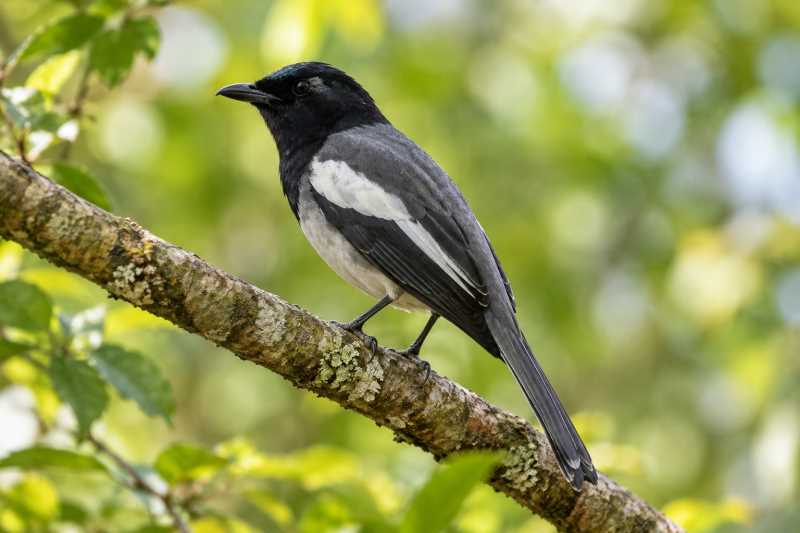
The physical appearance of McGregor’s Cuckooshrike is characterized by its sleek, streamlined body, typically measuring between 20 to 25 cm in length. This species showcases a subtle yet elegant plumage, with varying shades of gray dominating its coloration. The bird’s wings and tail are marked with darker patterns, providing a striking contrast to its lighter underparts. Its sturdy bill is adapted for its insectivorous diet, while its strong legs enable it to navigate the dense foliage of its habitat.
Habitat and Distribution
McGregor’s Cuckooshrike is endemic to the Philippines, with its primary habitat located in the montane and mossy forests of Mindanao. The species is particularly associated with Mount Malindang, a region known for its rich biodiversity and unique ecosystems. These high-altitude forests, characterized by dense vegetation and a cool climate, provide an ideal environment for the cuckooshrike to thrive.
The bird’s preference for such specific habitats underscores its vulnerability to environmental changes. Deforestation and habitat degradation pose significant threats to its survival, as the loss of forest cover can lead to a decline in insect populations, which are crucial to the cuckooshrike’s diet.
Behavior and Diet
McGregor’s Cuckooshrike is primarily insectivorous, feeding on a variety of insects and arthropods found within its forest habitat. The bird employs a methodical foraging strategy, often seen gleaning insects from leaves and branches or catching prey mid-flight. This feeding behavior not only sustains its dietary needs but also plays a role in controlling insect populations, contributing to the ecological balance within its environment.
In addition to its feeding habits, McGregor’s Cuckooshrike exhibits a range of intriguing behaviors, particularly during the breeding season. The species is known for its elaborate courtship displays, which involve vocalizations and aerial maneuvers designed to attract potential mates. These displays highlight the bird’s adaptability and keen sensory abilities, which are essential for survival in its complex habitat.
Conservation Status
The conservation status of McGregor’s Cuckooshrike is a subject of concern among ornithologists and conservationists. The species is currently listed as Near Threatened on the IUCN Red List, primarily due to its limited distribution and the ongoing threats to its habitat. Efforts to conserve this species are closely tied to the preservation of its forest environment, emphasizing the need for sustainable land management practices and reforestation initiatives.
Local conservation programs have been initiated to monitor the population trends of McGregor’s Cuckooshrike and to raise awareness about the importance of protecting its habitat. These efforts are crucial for ensuring the long-term survival of the species and maintaining the biodiversity of the region.
The Role of McGregor’s Cuckooshrike in Ecosystem Health
As an insectivorous bird, McGregor’s Cuckooshrike plays a vital role in maintaining the health of its ecosystem. By controlling insect populations, the bird helps prevent outbreaks of pests that could otherwise damage forest vegetation. This function is particularly important in the delicate balance of montane forest ecosystems, where even minor disruptions can have significant consequences.
Furthermore, the presence of McGregor’s Cuckooshrike serves as an indicator of environmental health. The bird’s sensitivity to changes in habitat quality makes it a valuable species for monitoring environmental conditions and assessing the impact of human activities on forest ecosystems.
Conclusion
McGregor’s Cuckooshrike is more than just a bird; it is a symbol of the rich biodiversity and ecological complexity of the Philippines. Its survival is intricately linked to the preservation of its forest habitat, highlighting the importance of conservation efforts in maintaining the delicate balance of these unique ecosystems. By protecting McGregor’s Cuckooshrike and its habitat, we not only safeguard a remarkable species but also contribute to the broader goal of preserving the natural heritage of the Philippines for future generations.
References
- BirdLife International (2021). "Malindangia mcgregori." The IUCN Red List of Threatened Species 2021.
- Kennedy, R. S., Gonzales, P. C., Dickinson, E. C., et al. (2000). "A Guide to the Birds of the Philippines."
- Collar, N. J., Mallari, N. A. D., & Tabaranza, B. R. Jr. (1999). "Threatened Birds of the Philippines."
- Oliveros, C. H., & Moyle, R. G. (2010). "Origin and diversification of Philippine bulbuls." Molecular Phylogenetics and Evolution.
Related posts