Jelski’s Black Tyrant: A Comprehensive Study of Knipolegus signatus
Introduction
Jelski’s Black Tyrant, scientifically known as Knipolegus signatus, is a fascinating bird species that captivates ornithologists and bird enthusiasts alike. This intriguing avian species belongs to the Tyrannidae family, commonly referred to as tyrant flycatchers. Widely recognized for its striking appearance and unique behaviors, Jelski’s Black Tyrant plays an essential role in the ecosystems it inhabits. This article delves into the various aspects of Knipolegus signatus, exploring its taxonomy, habitat, behavior, and conservation status.
Taxonomy and Classification
The Jelski’s Black Tyrant is a member of the genus Knipolegus, which comprises several species of tyrant flycatchers. This genus is named after the German ornithologist and artist, Wilhelm Knipolegus. The species epithet ‘signatus’ is derived from Latin, meaning ‘marked’ or ‘distinguished,’ likely referring to the bird’s distinctive plumage.
Belonging to the family Tyrannidae, Jelski’s Black Tyrant is part of a vast group of passerine birds known for their robust build and diverse vocalizations. While the family encompasses over 400 species, the genus Knipolegus is characterized by generally dark plumage, often black or slate-colored, with subtle distinguishing features among species.
Physical Description
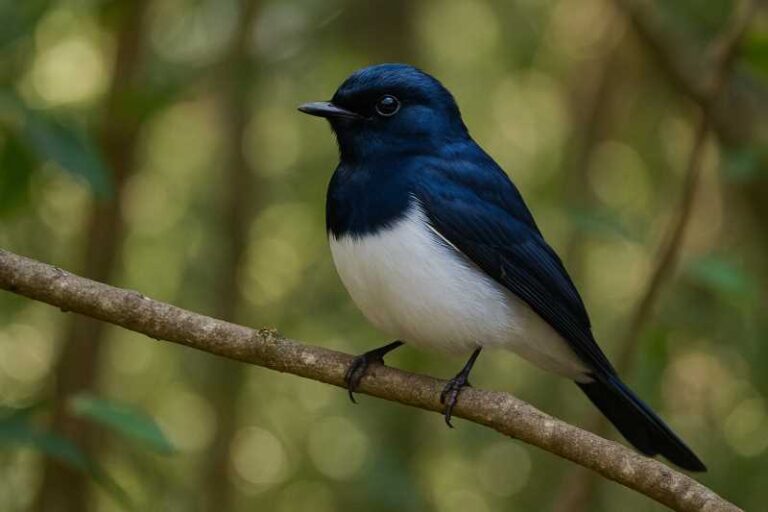
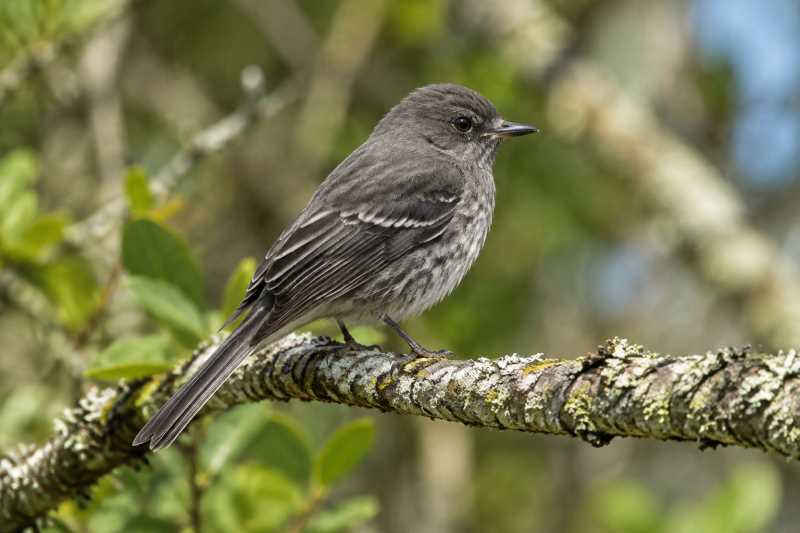
Jelski’s Black Tyrant is a medium-sized bird, typically measuring between 15 to 18 centimeters in length. The name ‘black tyrant’ is somewhat a misnomer, as the bird’s plumage is not entirely black. Instead, it sports a glossy, slate-gray to blackish coloration with subtle white markings on the wings and tail, which become more prominent during flight.
The males and females exhibit slight sexual dimorphism. Males tend to have a more pronounced sheen and slightly darker plumage compared to females, who may show a browner tinge. Both sexes possess a robust, slightly hooked bill, adapted for their insectivorous diet.
Habitat and Distribution
Jelski’s Black Tyrant is predominantly found in the montane forests of the Andes. Its range extends across several South American countries, including Peru, Bolivia, and northern Argentina. This species thrives in cloud forests, humid montane regions, and sometimes ventures into open areas near forest edges.
The bird’s preference for high-altitude habitats, typically ranging from 1,500 to 3,500 meters above sea level, provides it with unique ecological niches. These montane environments offer an abundance of insect prey and suitable nesting sites, contributing to the species’ survival and reproductive success.
Behavior and Diet
Jelski’s Black Tyrant is primarily insectivorous, feeding on a variety of insects, including flies, beetles, and caterpillars. Its foraging behavior is characterized by short, agile flights as it pursues prey in mid-air or gleans insects from foliage.
The bird is known for its territorial nature, often seen perched conspicuously on branches or other elevated positions as it surveys its domain. Its vocalizations are a series of sharp calls and whistles, used both for communication and territorial defense.
Breeding behavior is equally fascinating, with courtship displays involving aerial acrobatics and vocal exchanges. Nests are typically built in tree hollows or on ledges, where the female lays a clutch of two to three eggs. Both parents participate in feeding and rearing the young, ensuring a high rate of reproductive success.
Conservation Status
As of the latest assessments, Jelski’s Black Tyrant is classified as a species of Least Concern by the International Union for Conservation of Nature (IUCN). However, this status does not imply that the species is free from threats. Habitat destruction, particularly due to deforestation and agricultural expansion, poses significant risks to its natural habitats.
Conservation efforts are crucial to preserving the montane ecosystems that support the diverse avian life, including Jelski’s Black Tyrant. Protected areas and reserves across the Andes play a vital role in safeguarding these habitats, ensuring the survival of this and other species.
Cultural and Ecological Significance
Beyond its ecological role, Jelski’s Black Tyrant holds cultural significance among indigenous communities in the Andean regions. The bird is often associated with folklore and traditional beliefs, symbolizing various aspects of nature and life.
Ecologically, Jelski’s Black Tyrant contributes to the control of insect populations, maintaining a balanced ecosystem. Its presence in montane forests is an indicator of the overall health of these environments, underscoring the importance of conserving such habitats.
Conclusion
Jelski’s Black Tyrant is a remarkable species that embodies the rich biodiversity of the Andean montane forests. Its distinctive appearance, intriguing behaviors, and ecological roles make it a subject of interest for scientists and bird watchers alike. While currently not endangered, the ongoing threats to its habitat highlight the importance of continued conservation efforts to ensure the survival of this unique bird species.
By understanding and appreciating the complexity of species like Knipolegus signatus, we gain insights into the broader ecological dynamics of the regions they inhabit, fostering a deeper connection with the natural world.
References
- BirdLife International. (2021). Knipolegus signatus (Jelski’s Black Tyrant). Retrieved from BirdLife International
- Schulenberg, T. S., et al. (2007). "Birds of Peru." Princeton University Press.
- Ridgely, R. S., & Tudor, G. (1994). "The Birds of South America: Volume II: The Suboscine Passerines." University of Texas Press.
- IUCN Red List of Threatened Species. (2021). Knipolegus signatus. Retrieved from IUCN
Related posts