The Puerto Rican Woodpecker: Jewel of the Caribbean Forests
The Puerto Rican Woodpecker (Melanerpes portoricensis) stands as a vital symbol of the island’s rich biodiversity. As the only woodpecker species endemic to Puerto Rico, it plays an essential role in maintaining the health of its forest habitats. This article aims to explore the distinct characteristics, habitat, behavior, and conservation status of this fascinating bird.
Characteristics
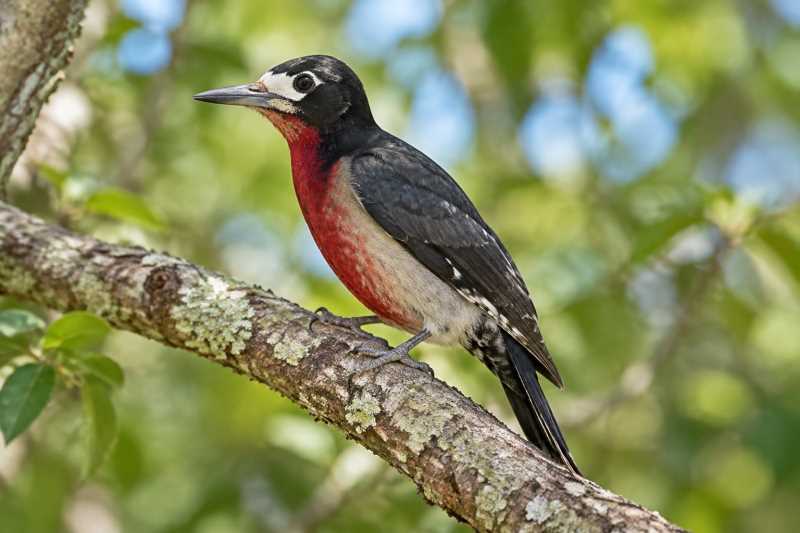
The Puerto Rican Woodpecker is a medium-sized bird, measuring approximately 8 to 9 inches in length, with a wingspan that stretches around 14 inches. Its plumage is striking, with a combination of glossy black and rich red hues, especially prominent on the head and throat. The body is predominantly black with white markings on the wings and a white rump, which becomes visible in flight.
One of the most distinctive features of the Puerto Rican Woodpecker is its strong, chisel-like beak, perfectly adapted for drilling into tree bark. This beak is not only a tool for foraging but also plays a critical role in the bird’s communication and territorial behaviors.
Habitat and Distribution
This woodpecker is found exclusively on the island of Puerto Rico, thriving in a variety of habitats including rainforests, mangroves, and dry forests. It is particularly prevalent in the central mountainous regions and the protected areas of El Yunque National Forest. However, the woodpecker is also adaptable to more urbanized areas, often seen in gardens and parks throughout the island.
Puerto Rico’s diverse ecosystems provide an abundance of food sources for the woodpecker, including insects, fruits, and seeds. The bird’s presence is vital for forest health, as it helps control insect populations and aids in seed dispersion, fostering plant diversity.
Behavior
The Puerto Rican Woodpecker is a diurnal bird, most active during the early morning and late afternoon. It exhibits a variety of vocalizations, from sharp calls to rhythmic drumming on tree trunks, which serve as communication signals to establish territory and attract mates.
Breeding season occurs from February to June, during which the woodpecker excavates nest cavities in dead trees or branches. The female lays between three to five eggs, with both parents sharing incubation duties and feeding the chicks once they hatch. This cooperative breeding behavior ensures a higher survival rate for the offspring.
Conservation Status
The International Union for Conservation of Nature (IUCN) currently categorizes the Puerto Rican Woodpecker as a species of Least Concern. However, ongoing threats could impact its populations in the future. Habitat destruction due to urbanization, deforestation, and natural disasters like hurricanes pose significant risks to its environment.
Conservation efforts are crucial to preserving the natural habitats of the Puerto Rican Woodpecker. Protected areas such as El Yunque National Forest play a pivotal role in safeguarding this species, providing a sanctuary where it can thrive without the pressures of human encroachment.
Local and international conservation organizations continue to work towards promoting sustainable land-use practices and raising awareness about the importance of preserving Puerto Rico’s native wildlife. These efforts contribute not only to the survival of the Puerto Rican Woodpecker but also to the overall health of the island’s ecosystems.
The Role of Citizen Science
Citizen science initiatives have become increasingly important in monitoring the status of the Puerto Rican Woodpecker. Engaging local communities in birdwatching activities and data collection helps scientists gather valuable information about population trends and habitat use.
Programs such as the Puerto Rico Breeding Bird Atlas encourage volunteers to record sightings and nesting activities, providing critical insights into the woodpecker’s distribution and reproductive success. This grassroots approach empowers Puerto Ricans to take an active role in conservation, fostering a deeper connection to their natural heritage.
Conclusion
The Puerto Rican Woodpecker is more than just a bird; it is an integral part of Puerto Rico’s ecological and cultural landscape. Its presence in the forests and urban areas of the island highlights the intricate balance between nature and human development.
Preserving this unique species requires a collective effort from government agencies, conservation organizations, and local communities. By ensuring the survival of the Puerto Rican Woodpecker, we also protect the broader biodiversity of Puerto Rico, securing a legacy of natural wonder for future generations.
Whether you’re a seasoned ornithologist or a casual nature enthusiast, the sight of a Puerto Rican Woodpecker, with its vibrant plumage and lively calls, is a cherished reminder of the island’s enduring natural beauty.
Related posts