Palau Fruit Dove: A Jewel of Avian Diversity
The Palau Fruit Dove (Ptilinopus pelewensis) is an exquisite avian species that holds a special place in the biodiversity of the Pacific. As an endemic bird, it is found exclusively in the Republic of Palau, an archipelago nestled in the western Pacific Ocean. This article provides an in-depth exploration of the Palau Fruit Dove, its natural habitat, behavior, conservation status, and its significance to the Palauan culture.
Habitat and Distribution
The Palau Fruit Dove inhabits the lush forests of Palau, thriving in the tropical climate that characterizes the islands. These doves are typically found in lowland forests, mangroves, and even secondary growth areas, showcasing their adaptability to different habitats within the archipelago. The diverse ecosystems of Palau provide an abundance of fruiting trees, which form the primary diet of these doves. The variety of fruit available year-round supports their nutritional needs and plays a pivotal role in their breeding cycles.
Physical Description
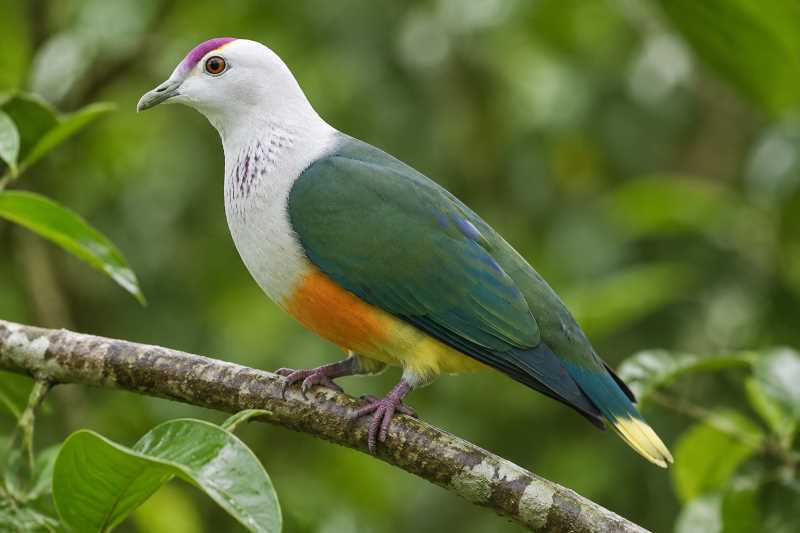
The Palau Fruit Dove is renowned for its vibrant plumage, which is a brilliant display of the natural beauty of the Pacific islands. This medium-sized bird measures approximately 23 to 25 centimeters in length. Its plumage is predominantly green, with a striking blend of colors that include shades of yellow, purple, and white. The head is capped with a distinctive deep purple crown, while the breast and belly are a soft yellow, blending into the green of the wings and back. The tail feathers often exhibit a subtle white band, which becomes evident during flight.
Behavior and Diet
As frugivores, Palau Fruit Doves primarily feed on a variety of fruits, seeds, and berries. They play a crucial role in the ecosystem as seed dispersers, contributing to the regeneration and propagation of fruit-bearing trees. Their feeding habits are largely arboreal, with the birds spending most of their time in the canopy, foraging for food. These doves are known for their gentle demeanor and are often observed in pairs or small groups.
During the breeding season, which aligns with the peak fruiting periods, the Palau Fruit Dove engages in elaborate courtship displays. Males perform a series of cooing calls and physical displays to attract females. Nesting usually occurs in the dense foliage of trees, where a simple platform nest is constructed. The female lays a single egg, which both parents incubate. After hatching, the chick is fed by regurgitation until it is ready to fledge.
Cultural Significance
The Palau Fruit Dove holds cultural importance among the indigenous Palauan people. It is often regarded as a symbol of peace and prosperity, reflecting the harmonious relationship between the Palauans and their natural environment. The bird’s vibrant colors and gentle nature have made it a popular subject in local art and folklore. Moreover, the Palau Fruit Dove is featured on the country’s currency, further underscoring its national significance.
Conservation Status
Currently, the Palau Fruit Dove is listed as "Least Concern" by the International Union for Conservation of Nature (IUCN), indicating that it is not at immediate risk of extinction. However, like many island species, it faces potential threats from habitat destruction, invasive species, and climate change. Deforestation for development and agriculture poses a significant risk to the natural habitats of these doves. Moreover, the introduction of non-native predators such as rats and snakes could disrupt their populations.
Conservation efforts in Palau focus on maintaining and protecting the natural habitats that support the Palau Fruit Dove and other endemic species. Initiatives include habitat restoration, the establishment of protected areas, and community-based conservation programs that involve local stakeholders in preserving their natural heritage.
Conclusion
The Palau Fruit Dove is a vibrant representative of Palau’s rich biodiversity and cultural heritage. Its presence is a testament to the ecological richness of the islands and the intricate connections between the environment and the people who inhabit it. Protecting this species and its habitat is crucial for maintaining the ecological balance and cultural identity of Palau. As global awareness of biodiversity conservation grows, the Palau Fruit Dove serves as a reminder of the beauty and fragility of our planet’s natural wonders.
Efforts to safeguard the Palau Fruit Dove are not just about preserving a species; they are about preserving a legacy of harmony between humans and nature that has been nurtured for generations. By continuing to support conservation initiatives and promoting environmental awareness, we can ensure that the Palau Fruit Dove remains a thriving symbol of Palau’s natural and cultural wealth for future generations.
Related posts