The Hook-billed Hermit: A Jewel of the Brazilian Rainforest
The Hook-billed Hermit, scientifically known as Glaucis dohrnii, is a remarkable hummingbird species endemic to the Atlantic Forest of eastern Brazil. This elusive bird is a testament to the diverse avian life that thrives within the richly biodiverse region of South America. Despite its beauty and ecological significance, the Hook-billed Hermit faces numerous threats that have led to its classification as an endangered species. This article delves into the unique characteristics, habitat, and conservation challenges of the Hook-billed Hermit, aiming to shed light on its importance and the urgent need for its preservation.
Physical Characteristics and Behavior
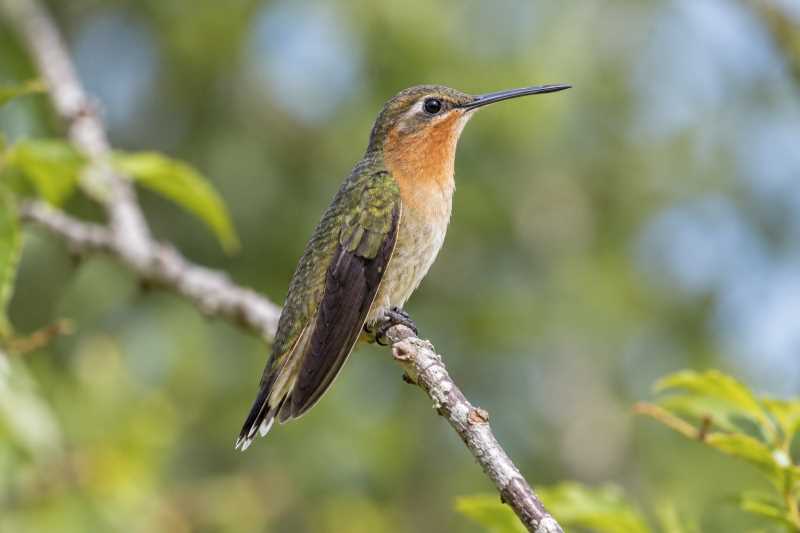
The Hook-billed Hermit is renowned for its distinctive appearance, which sets it apart from other hummingbird species. Measuring about 11 to 12 centimeters in length, this hummingbird is characterized by its slightly curved bill, which it uses to feed on nectar from a variety of flowers, particularly those with curved corollas. The bill’s unique shape allows it to access nectar that is often out of reach for other birds, giving it a competitive advantage in its ecological niche.
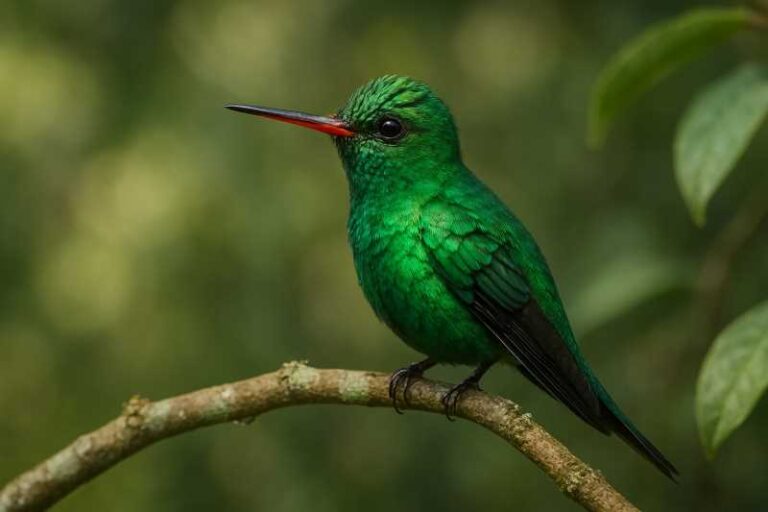
The plumage of the Hook-billed Hermit is another striking feature. It exhibits a mix of iridescent green on the back and crown, with a rufous hue on its underparts. The tail, often slightly forked, is marked by a distinctive white tip, which is a common trait among hermit hummingbirds. The bird’s swift and agile flight, coupled with its ability to hover, makes it an adept pollinator, playing a critical role in the ecosystem by facilitating plant reproduction.
Behaviorally, the Hook-billed Hermit is known for its territorial nature. Males are particularly aggressive in defending their feeding territories from intruders, often engaging in aerial displays to ward off rivals. This territoriality ensures that they have access to sufficient food resources, which is crucial for their survival in the dense rainforest habitat.
Habitat and Distribution
The Hook-billed Hermit is predominantly found in the Atlantic Forest, a region that stretches along the eastern coast of Brazil. This habitat is characterized by high biodiversity and endemism, making it one of the world’s most important ecological hotspots. However, the Atlantic Forest has been subject to extensive deforestation, with only about 12% of its original area remaining intact.
Within this fragmented habitat, the Hook-billed Hermit favors lowland rainforests, bamboo thickets, and secondary growth areas where flowering plants are abundant. It is also occasionally found in shaded coffee plantations, which provide supplementary foraging grounds. The bird’s preference for specific floral resources makes it highly susceptible to habitat changes, as it relies on the availability of particular plant species for nectar.
Conservation Challenges
The survival of the Hook-billed Hermit is threatened by several factors, primarily habitat destruction and fragmentation. The rapid expansion of agriculture, urbanization, and logging activities in the Atlantic Forest has led to significant loss of habitat, posing a severe risk to the species. As a result, the Hook-billed Hermit is listed as endangered on the IUCN Red List.
Conservation efforts are crucial to safeguarding the future of the Hook-billed Hermit. Protecting and restoring the Atlantic Forest is a priority, as it will not only benefit this hummingbird but also the myriad of other species that depend on this ecosystem. Initiatives to create protected areas, promote sustainable land-use practices, and restore degraded habitats are essential components of a successful conservation strategy.
Additionally, raising awareness about the Hook-billed Hermit and its plight is vital. Engaging local communities in conservation efforts can foster a sense of stewardship and encourage practices that support biodiversity. Ecotourism, when managed responsibly, can also provide economic incentives for preserving natural habitats, benefiting both wildlife and people.
The Road Ahead
The future of the Hook-billed Hermit hinges on concerted conservation actions and a commitment to preserving the Atlantic Forest. While the challenges are considerable, the opportunity to protect this unique species and its habitat is within reach. By fostering collaboration among governments, NGOs, research institutions, and local communities, it is possible to create a sustainable future where the Hook-billed Hermit and countless other species can thrive.
In conclusion, the Hook-billed Hermit is not just a symbol of the rich biodiversity of the Brazilian rainforest but also a reminder of the delicate balance that exists within natural ecosystems. Preserving this balance is crucial, not only for the survival of individual species but for the health of our planet as a whole. The time to act is now, and with collective effort, we can ensure that the Hook-billed Hermit continues to grace the skies of Brazil for generations to come.
Related posts