The White-chinned Myzomela: A Jewel of the Avian World
The White-chinned Myzomela (Myzomela albigula) is a captivating species of bird that belongs to the family Meliphagidae, commonly known as the honeyeaters. With its distinct markings and melodious calls, this bird has intrigued ornithologists and birdwatchers alike. Found primarily in the diverse ecosystems of Papua New Guinea, the White-chinned Myzomela is a testament to the rich biodiversity of the region.
Taxonomy and Classification
The White-chinned Myzomela was first described by the renowned ornithologist Lionel Walter Rothschild in the early 20th century. It belongs to the genus Myzomela, which comprises more than 30 species. This genus is known for its vibrant plumage and nectar-feeding habits. The specific epithet, "albigula," is derived from Latin, meaning "white throat," which aptly describes the bird’s most distinguishing feature.
Physical Description
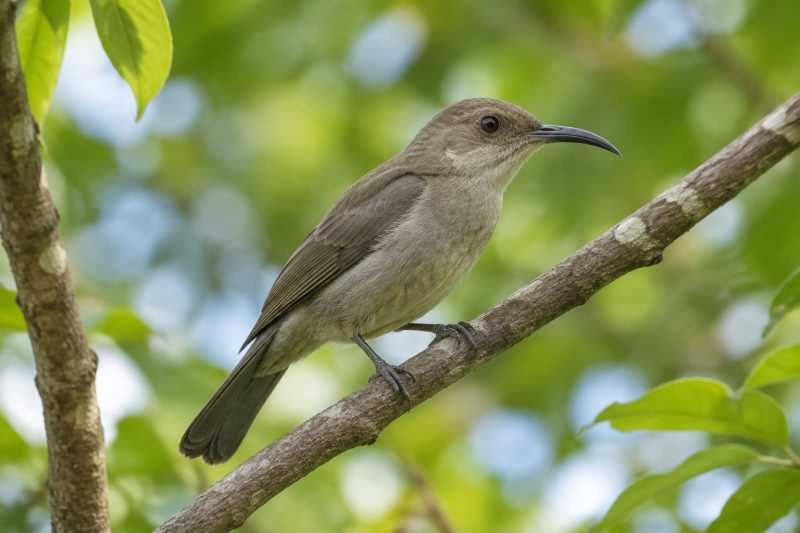
The White-chinned Myzomela is a small bird, measuring approximately 10-12 centimeters in length. Its plumage is predominantly olive-brown, with a striking white patch on the chin and throat, which serves as the basis for its common name. The bird’s wings and tail are a darker shade of brown, providing a subtle contrast to its lighter underparts. Males and females exhibit similar coloration, making it challenging to distinguish between the sexes in the field.
Its slender, curved bill is adapted for nectar feeding, allowing the bird to access the floral resources that form a significant part of its diet. The bird’s eyes are a deep brown, and its legs are a delicate pinkish hue, adding to its overall aesthetic appeal.
Habitat and Distribution
Endemic to the lush landscapes of Papua New Guinea, the White-chinned Myzomela is primarily found in lowland rainforests, mangroves, and secondary growth areas. Its presence is most notable on small islands and coastal regions, where it thrives amidst the abundant floral resources. The bird’s habitat preferences reflect its reliance on specific flowering plants, which provide both nourishment and nesting sites.
The species exhibits some degree of adaptability, also inhabiting degraded forests and plantations, which underscores its resilience in the face of habitat alteration. However, the ongoing threat of deforestation and habitat fragmentation poses significant challenges to its long-term survival.
Diet and Feeding Behavior
As a member of the honeyeater family, the White-chinned Myzomela primarily feeds on nectar, playing a crucial role in pollination. Its specialized tongue is equipped with brush-like tips, enabling efficient extraction of nectar from flowers. This mutualistic relationship between the bird and flowering plants highlights the intricate ecological interactions that sustain rainforest ecosystems.
In addition to nectar, the White-chinned Myzomela supplements its diet with insects and spiders, providing it with essential proteins and other nutrients. This dietary flexibility allows the bird to adapt to seasonal variations in food availability, ensuring its survival across different habitats.
Breeding and Reproduction
The breeding season of the White-chinned Myzomela is closely linked to the flowering cycles of its preferred plant species. During this period, males engage in elaborate courtship displays, characterized by vocalizations and aerial acrobatics. These displays serve to attract females and establish territories.
Nesting typically occurs in the dense foliage of shrubs and small trees, providing concealment from predators. The nest is a small cup-shaped structure, meticulously constructed from plant fibers, leaves, and spider silk. Females lay a clutch of two to three eggs, which are incubated for approximately two weeks. Both parents participate in feeding the chicks, which fledge after about 14-16 days.
Conservation Status and Threats
Currently, the White-chinned Myzomela is classified as a species of "Least Concern" by the International Union for Conservation of Nature (IUCN). However, this status does not imply immunity from threats. The primary challenges facing the species include habitat destruction due to logging, agricultural expansion, and climate change.
Conservation efforts aimed at preserving the bird’s natural habitat are crucial for its continued survival. Protecting areas of high biodiversity, promoting sustainable land-use practices, and raising awareness about the ecological importance of species like the White-chinned Myzomela are vital steps toward ensuring a harmonious coexistence with nature.
Conclusion
The White-chinned Myzomela is a remarkable bird that embodies the beauty and complexity of the natural world. Its role as a pollinator underscores the interconnectedness of species within ecosystems, highlighting the need for conservation efforts to preserve these intricate relationships. By safeguarding the habitats of such unique creatures, we not only protect individual species but also contribute to the overall health and resilience of our planet’s ecosystems.
Whether admired for its aesthetic charm or studied for its ecological significance, the White-chinned Myzomela remains a symbol of the vibrant and diverse life forms that inhabit our world. As we strive to balance human development with environmental stewardship, the preservation of species like the White-chinned Myzomela serves as a reminder of the profound responsibility we hold as custodians of the planet.
Related posts