The Predicted Antwren (Herpsilochmus praedictus): A Beacon of Biodiversity
The Predicted Antwren (Herpsilochmus praedictus), a bird species discovered relatively recently, has captured the attention of ornithologists and conservationists worldwide. This diminutive avian marvel, residing in the lush forests of the Amazon basin, is not just another addition to the list of bird species. Its discovery underscores the significance of preserving biodiversity in one of the world’s most ecologically rich yet vulnerable regions.
Discovery and Classification
The Predicted Antwren was first identified in the early 21st century. Unlike many other species, its discovery was anticipated, hence its name. Researchers had long hypothesized the existence of this bird based on subtle variations in calls and plumage observed in the field. It was only after thorough genetic analysis and detailed field studies that the Predicted Antwren was officially recognized as a distinct species.
This antwren belongs to the family Thamnophilidae, which includes a variety of small passerine birds known as antbirds. These birds are typically insectivorous, feeding on the insects disturbed by swarming ants, a behavior that has fascinated ornithologists for generations.
Habitat and Behavior
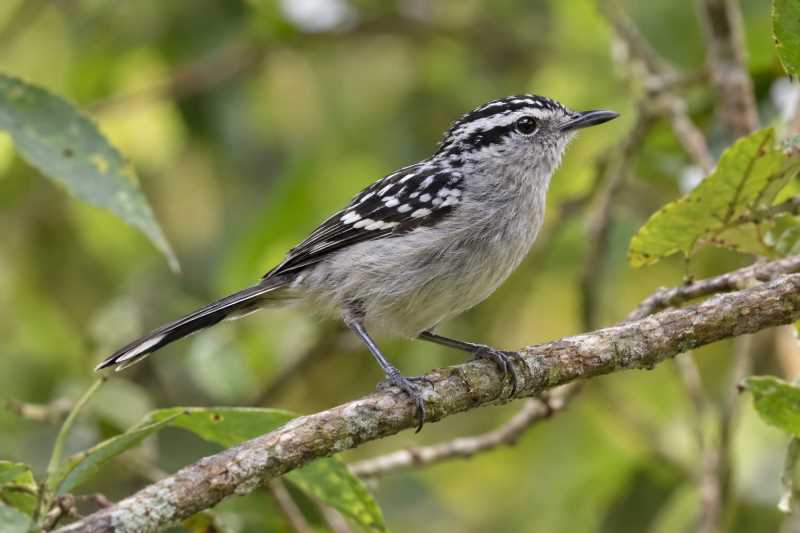
The Predicted Antwren inhabits the dense, humid forests of the Amazon, primarily in Brazil. Its preferred habitat consists of the mid-story and upper understory of terra firme forests, where it is well-camouflaged among the foliage. This bird’s cryptic plumage, a blend of soft grays and browns, aids in its concealment from predators and birdwatchers alike.
Behaviorally, the Predicted Antwren is an active forager. It exhibits a typical antbird hunting technique, flitting through foliage and branches in search of insects and arthropods. The bird’s social structure is also intriguing, as it typically forms monogamous pairs and is often seen in mixed-species flocks, a strategy thought to reduce predation risk and increase foraging efficiency.
Conservation Status
As of the latest assessments, the Predicted Antwren is classified as Least Concern by the International Union for Conservation of Nature (IUCN). However, this status does not imply that all is well for the species. The Amazon rainforest, its home, faces unprecedented threats from deforestation, mining, and climate change. The fragmentation of its habitat poses a significant risk to the Antwren’s survival, as this can lead to isolated populations and reduced genetic diversity.
Conservationists emphasize the importance of protecting large swaths of continuous forest to ensure the survival of this species and countless others that share its habitat. Efforts are underway to establish more protected areas and to promote sustainable land-use practices that benefit both local communities and wildlife.
The Importance of Biodiversity
The discovery and study of the Predicted Antwren highlight the broader importance of biodiversity and its conservation. Biodiversity contributes to ecosystem resilience, provides a wealth of resources for human use, and maintains ecological processes essential for life on Earth.
The Amazon rainforest, often referred to as the "lungs of the Earth," plays a critical role in global carbon storage and oxygen production. Every species within this biome, from the smallest insect to the largest predator, contributes to its health and functionality. The Predicted Antwren, like other species, forms an integral part of this complex web of life.
Future Research and Outlook
Ongoing research is crucial to understanding the Predicted Antwren’s ecology and behavior fully. Scientists are particularly interested in its reproductive habits, territoriality, and interactions with other species. Such studies not only enhance our knowledge of this specific bird but also provide insights into the health and dynamics of the Amazon ecosystem as a whole.
Citizen science initiatives and technological advancements in data collection, such as bioacoustic monitoring, are paving the way for more comprehensive studies. These efforts are vital for identifying population trends and potential threats, allowing for timely conservation interventions.
In conclusion, the Predicted Antwren is more than just a newly discovered bird. It serves as a symbol of the rich, yet fragile, biodiversity of the Amazon rainforest. Its story is a call to action for conservationists, policymakers, and the global community to work together to safeguard the natural world for future generations.
Through concerted efforts, we can ensure that the Predicted Antwren and the myriad forms of life that call the Amazon home continue to thrive in their natural habitats.
Related posts