The Rufescent Antshrike: A Jewel of the Understory
The rich tapestry of the Neotropical forests is woven with myriad avian species, each contributing its unique thread to the vibrant ecosystem. Among these, the Rufescent Antshrike (Thamnistes rufescens) stands out as a particularly intriguing subject of study for ornithologists and bird enthusiasts alike. Known for its distinctive plumage and intriguing behaviors, this bird encapsulates the allure of tropical biodiversity.
Taxonomy and Distribution
The Rufescent Antshrike is a member of the Thamnophilidae family, which comprises a diverse group of birds commonly referred to as antbirds. The Latin nomenclature, Thamnistes rufescens, aptly describes its rufous or reddish-brown coloration, which serves as both camouflage and a distinguishing feature. This species is primarily found in the montane forests of the Andes, with its range extending across several countries, including Colombia, Ecuador, and northern Peru.
The habitats of the Rufescent Antshrike are typically characterized by dense undergrowth and a rich array of plant life. These environments are crucial for the bird’s survival, offering both sustenance and protection from predators. The species is generally found at elevations ranging from 1,200 to 2,500 meters, although local variations can occur depending on environmental conditions and ecological niches.
Physical Characteristics
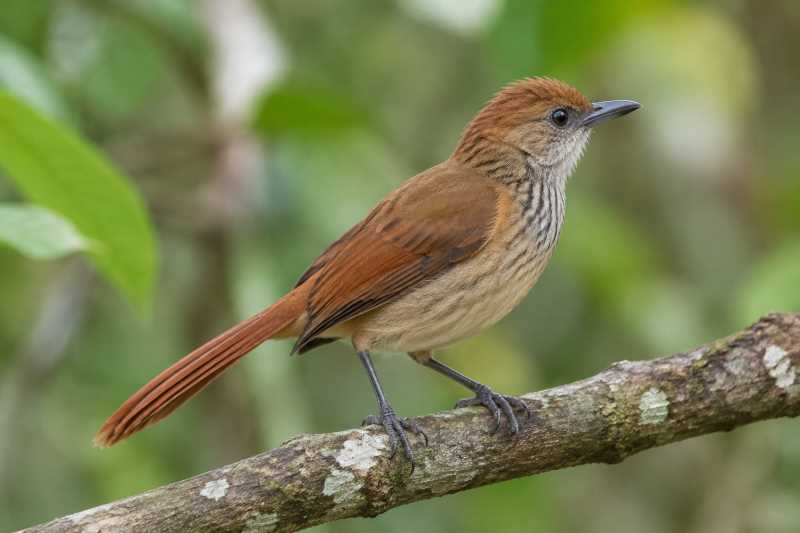
The Rufescent Antshrike is a medium-sized bird, measuring approximately 14 centimeters in length. Its plumage is predominantly rufous, with subtle variations in hue that can range from deep chestnut to lighter, almost orange tones. The bird’s wings and tail are often marked with faint barring or striping, adding to its visual complexity.
One of the most striking features of the Rufescent Antshrike is its sexual dimorphism. Males and females exhibit slight differences in coloration, with males typically displaying brighter, more saturated plumage. This dimorphism is thought to play a role in mate selection and territorial displays, although further research is needed to fully understand these dynamics.
Behavior and Ecology
Rufescent Antshrikes are primarily insectivorous, feeding on a variety of arthropods including beetles, spiders, and caterpillars. They are adept at gleaning prey from foliage, employing a methodical approach that involves careful inspection and precise movements. This feeding strategy is well-suited to their densely vegetated habitats, where insects are plentiful but often well-hidden.
Socially, Rufescent Antshrikes are known for their cooperative breeding behavior. Pairs often form long-term bonds, working together to raise their offspring and defend their territory. The species is generally monogamous, although instances of cooperative breeding involving additional "helper" birds have been observed. These helpers, often younger relatives of the breeding pair, assist with tasks such as feeding and nest defense.
Communication among Rufescent Antshrikes is primarily vocal, with a repertoire of calls that serve various purposes. These calls can range from simple contact notes to complex songs used in territorial disputes and courtship. Vocalizations are an essential aspect of the bird’s social structure, facilitating interactions between individuals and contributing to group cohesion.
Conservation Status
As of the latest assessments, the Rufescent Antshrike is not considered to be at immediate risk of extinction. The species is classified as "Least Concern" by the International Union for Conservation of Nature (IUCN), thanks in part to its relatively stable population and wide distribution. However, like many forest-dependent species, it faces ongoing threats from habitat loss and fragmentation.
Deforestation, driven by agricultural expansion and infrastructure development, remains the most significant threat to the Rufescent Antshrike’s habitat. Conservation efforts aimed at preserving montane forest ecosystems are crucial for the long-term survival of this and many other species. Protected areas, such as national parks and reserves, play a vital role in safeguarding these habitats, while community-based conservation initiatives offer additional avenues for sustainable management.
Conclusion
The Rufescent Antshrike is a testament to the rich biodiversity of the Neotropical forests. Its distinctive appearance, intriguing behaviors, and ecological significance make it a fascinating subject for study and conservation. As we continue to explore and understand the complex web of life within these ecosystems, the Rufescent Antshrike serves as a reminder of the intricacies and wonders of the natural world.
By deepening our knowledge and appreciation of such species, we can better advocate for their protection and ensure that future generations can enjoy the splendor of the world’s montane forests.
Related posts