The Enigmatic Grey-headed Dove: A Comprehensive Overview
The Grey-headed Dove (Leptotila plumbeiceps) is a captivating bird species belonging to the Columbidae family. Known for its distinctive plumage and elusive nature, this bird has piqued the interest of ornithologists and bird watchers alike. In this article, we delve into the various aspects of the Grey-headed Dove, exploring its habitat, behavior, physical characteristics, and conservation status.
Habitat and Distribution
The Grey-headed Dove is primarily found in the tropical and subtropical regions of Central America, extending its range from southern Mexico through Guatemala, Belize, Honduras, and Costa Rica. It thrives in a variety of environments, including lowland forests, woodland areas, and secondary growth forests. The adaptability of the Grey-headed Dove to different habitats underscores its resilience, yet it is often seen in areas with dense vegetation where it can find ample cover.
Physical Characteristics
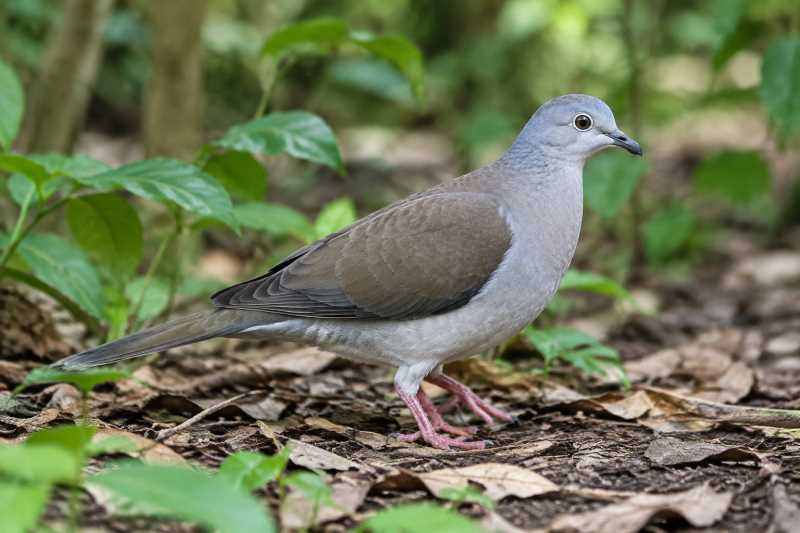
The Grey-headed Dove is easily identifiable by its distinctive plumage. As its name suggests, it has a grey-colored head, which contrasts with its pinkish-brown body. The bird’s underparts are pale, and it has a subtle iridescence on its neck, adding to its visual appeal. Typically, the Grey-headed Dove measures about 27 to 30 centimeters in length, with a wingspan of approximately 45 centimeters. Its eyes are a striking shade of red, providing a vivid contrast against its muted feather tones.
Behavior and Diet
Grey-headed Doves are known for their secretive behavior. They are ground-dwelling birds, often foraging for food on the forest floor. Their diet primarily consists of seeds, fruits, and small insects, which they find in the leaf litter. These doves are solitary by nature, although they may occasionally be seen in pairs or small groups, especially during the breeding season.
Their flight is characterized by strong, deliberate wing beats followed by gliding, which is typical of many dove species. Despite their ability to fly swiftly, they prefer to walk or run while foraging, using their keen eyesight to spot food among the undergrowth.
Breeding and Nesting
The breeding season of the Grey-headed Dove varies slightly depending on its geographical location but generally occurs during the early wet season. During this time, males perform courtship displays that include soft cooing sounds and visual displays to attract a mate. The nest is usually a simple platform made of twigs and leaves, typically built in low bushes or trees.
A typical clutch consists of one or two eggs, which are incubated by both parents. The incubation period lasts about 14 days, and once hatched, the chicks are cared for by both the male and female doves. The fledglings leave the nest within two weeks of hatching, a testament to the rapid development that characterizes many dove species.
Conservation Status
Currently, the Grey-headed Dove is classified as a species of ‘Least Concern’ by the International Union for Conservation of Nature (IUCN). Despite this relatively secure status, the species faces threats from habitat destruction and fragmentation, particularly due to agricultural expansion and urban development.
Efforts to conserve the Grey-headed Dove and its habitat are crucial to ensuring its continued survival. Protected areas and national parks within its range play a significant role in preserving the natural environments that these doves rely on. Conservationists emphasize the importance of monitoring population trends and habitat changes to prevent future declines.
Conclusion
The Grey-headed Dove remains one of the more mysterious yet intriguing birds of the Columbidae family. Its elusive nature and beautiful plumage make it a favorite among bird enthusiasts. While its conservation status is currently stable, ongoing efforts are essential to protect its habitats from the adverse effects of human activity. By understanding and appreciating the unique qualities of the Grey-headed Dove, we can contribute to the preservation of biodiversity and the natural world.
In summary, the Grey-headed Dove stands as a symbol of the rich avian diversity found in Central America. As we continue to learn about and protect this species, we ensure that future generations can enjoy the presence of these graceful and enigmatic birds in their natural habitat.
Related posts