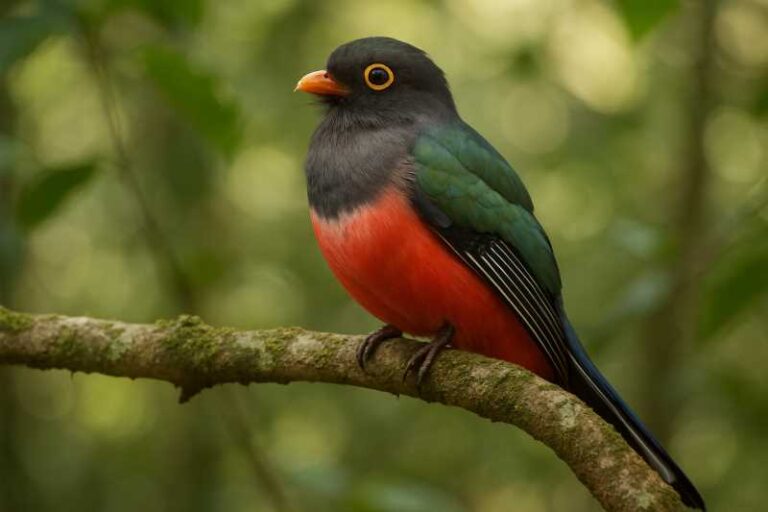
Discovering the Silver Teal: A Gem of the Waterfowl World
The Silver Teal, scientifically known as Spatula versicolor, is a captivating species of duck that graces the wetlands of South America. Known for its striking plumage and distinctive behavior, the Silver Teal is a subject of interest among ornithologists and bird enthusiasts alike. This article delves into the characteristics, habitat, and conservation status of this fascinating bird.
Physical Characteristics
One of the most distinctive features of the Silver Teal is its beautiful plumage. The bird is primarily recognized by its metallic bluish-gray body, which is particularly striking in sunlight. The head and neck display a contrasting pattern of light and darker shades, while the chest and flanks are adorned with intricate vermiculations. The speculum, or the secondary feathers on the wings, boasts a vivid green hue bordered by black, visible during flight. The bill is noteworthy for its bright blue color, often contrasted by black markings.
Males and females of the species appear similar, although males are typically slightly larger. On average, Silver Teals measure about 38 to 45 cm in length, with a wingspan that extends to about 65 to 75 cm. Their relatively small size and vibrant colors make them a picturesque addition to the diverse aquatic ecosystems they inhabit.
Habitat and Distribution
The Silver Teal is predominantly found in the southern regions of South America. Its range extends from the southern parts of Brazil, through Uruguay and Argentina, and into Chile. The species is also present in the Falkland Islands. Silver Teals prefer freshwater environments such as lakes, marshes, and slow-moving rivers with abundant aquatic vegetation.
These habitats offer both foraging opportunities and protection from predators. The Silver Teal is a dabbling duck, which means it typically feeds on the surface of the water or by tipping forward to reach submerged aquatic plants, seeds, and small invertebrates. The presence of dense vegetation is crucial as it provides cover and nesting sites.
Behavior and Breeding
Silver Teals are generally social birds, often observed in small flocks. They are known for their calm demeanor, which makes them less elusive than some other waterfowl species. During the breeding season, which varies across their range, these ducks form monogamous pairs. The courtship display is a subtle affair, often involving mutual preening and synchronized swimming.
Nesting typically occurs in dense vegetation near water bodies, where the female constructs a nest using plant material, often lined with down feathers. Clutch sizes usually range from 6 to 10 eggs, which are incubated solely by the female for about 25 to 28 days. The male remains nearby, providing security and assistance when needed.
Conservation Status
The Silver Teal is currently listed as Least Concern by the International Union for Conservation of Nature (IUCN). While the population is relatively stable, habitat degradation poses a potential threat. Wetland drainage, pollution, and human encroachment are primary concerns impacting their natural habitats.
Conservation efforts focus on preserving and restoring wetland ecosystems and implementing sustainable land use practices. In some regions, protected areas have been established to safeguard critical habitats for Silver Teals and other waterfowl species.
Importance to Biodiversity
The Silver Teal plays a significant role in the ecosystems it inhabits. As a consumer of aquatic vegetation and small invertebrates, it contributes to maintaining the ecological balance in wetland environments. Additionally, the presence of Silver Teals and other waterfowl enhances the biodiversity of these habitats, supporting a wide range of species, from amphibians to large predators.
Birdwatchers and nature enthusiasts often seek out Silver Teals due to their attractive appearance and behavior. By promoting ecotourism and birdwatching in regions where they are found, local economies can benefit while raising awareness about the importance of wetland conservation.
Conclusion
The Silver Teal is a remarkable species that exemplifies the beauty and complexity of waterfowl. Its striking appearance, coupled with its importance to wetland ecosystems, underscores the need for continued conservation efforts to ensure its survival. By protecting the habitats of Silver Teals and other aquatic species, we not only preserve biodiversity but also the intricate web of life that supports our planet.
In conclusion, the Silver Teal stands as a symbol of the rich avian diversity found in South America, reminding us of the delicate balance required to maintain the health of the world’s ecosystems.
Related posts