The Andean Tinamou: A Comprehensive Look at Nothoprocta pentlandii
The Andean Tinamou, scientifically known as Nothoprocta pentlandii, is a remarkable bird species that inhabits the highlands of South America. Despite its elusive nature, this avian species plays a significant role in the ecosystem and cultural heritage of the Andean region. This article explores the fascinating characteristics, habitat, behavior, and conservation status of the Andean Tinamou.
Physical Characteristics
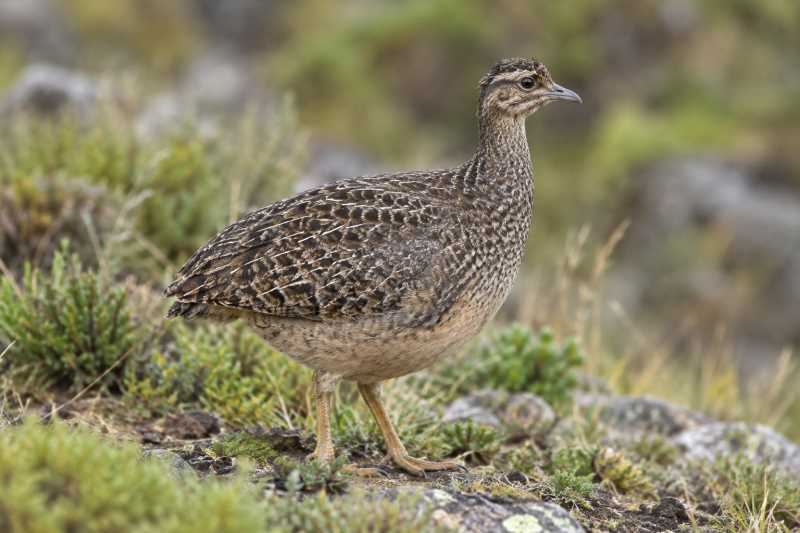
The Andean Tinamou is a medium-sized bird, typically measuring between 30 to 35 centimeters in length and weighing around 600 grams. Its plumage is predominantly brown and gray, providing excellent camouflage against the rocky and scrubby landscapes it inhabits. The bird’s feathers are intricately patterned with speckles and stripes, allowing it to blend seamlessly into its environment. Its legs are strong and adapted for running, a vital trait for escaping predators in the open terrain.
Distribution and Habitat
Nothoprocta pentlandii is predominantly found in the Andean regions of Argentina, Bolivia, Chile, and Peru. The species prefers altitudes ranging from 1,500 to 4,500 meters above sea level, thriving in diverse habitats such as grasslands, shrublands, and open woodlands. The bird’s adaptability to various environments is a testament to its evolutionary success in the mountainous regions.
Behavioral Traits
The Andean Tinamou is known for its shy and elusive behavior, often preferring to run rather than fly when threatened. This ground-dwelling bird is primarily active during the early morning and late afternoon, foraging for seeds, fruits, and small invertebrates. Its diet plays a crucial role in seed dispersal, contributing to the ecological balance of its habitat.
Socially, the Andean Tinamou is solitary or found in small family groups. During the breeding season, males are responsible for building nests and incubating eggs, a rare trait among bird species. The nests are usually shallow depressions on the ground, camouflaged by vegetation. After the eggs hatch, the male continues to care for the chicks, guiding them in feeding and protection.
Conservation Status
The International Union for Conservation of Nature (IUCN) currently lists the Andean Tinamou as a species of Least Concern. However, like many wildlife species, it faces potential threats from habitat destruction and hunting. Agricultural expansion and land development in the Andean regions pose significant challenges to the natural habitats of these birds. Conservation efforts are essential to ensure the continued survival of the Andean Tinamou and the biodiversity it supports.
Cultural Significance
The Andean Tinamou holds a notable place in the cultural traditions of indigenous communities in the Andean regions. It is often featured in folklore and traditional stories, symbolizing resilience and adaptation to harsh environments. Understanding and preserving this cultural heritage is crucial for fostering a deeper appreciation of the natural world and the interconnectedness of human and ecological systems.
Research and Observation
Studying the Andean Tinamou poses unique challenges due to its elusive nature and the rugged terrain it inhabits. Researchers rely on a combination of field observations, audio recordings, and camera traps to gather data on its behavior and population dynamics. Continued research efforts are necessary to monitor the species’ status and implement effective conservation strategies.
Conclusion
The Andean Tinamou is a fascinating example of avian adaptation and resilience in the high-altitude regions of South America. Its ecological role, cultural significance, and conservation challenges highlight the importance of preserving the biodiversity of the Andes. By understanding and protecting species like the Andean Tinamou, we contribute to the broader effort of maintaining the ecological balance and cultural richness of our planet.
Related posts