The Mountain Mouse-warbler: A Hidden Gem of Tropical Montane Forests
The Mountain Mouse-warbler, scientifically known as Origma robusta, is a captivating avian species, notable for its modest yet resilient presence in the montane forests of New Guinea. Despite its understated appearance, this bird plays a significant role in its ecosystem, making it a subject of interest for ornithologists and bird enthusiasts alike.
Habitat and Distribution
The Mountain Mouse-warbler is predominantly found in the high-altitude rainforests of New Guinea. These montane habitats, ranging from 1,500 to 3,500 meters above sea level, are characterized by their cool, moist climate and dense vegetation, providing an ideal environment for the species. The bird’s range is largely restricted to the central highlands of the island, where it thrives in the understory of these lush forests.
Physical Characteristics
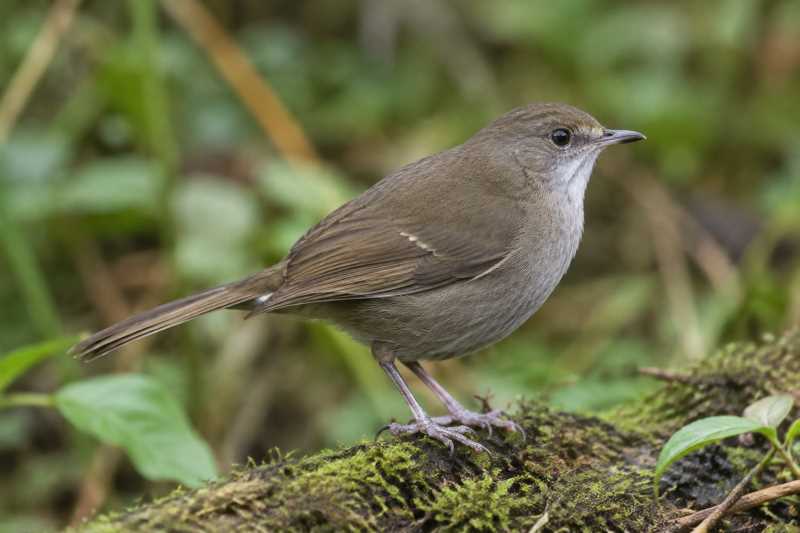
The Mountain Mouse-warbler is relatively small, measuring about 12 to 14 centimeters in length. It sports a modest plumage with earthy tones, primarily consisting of olive-brown upperparts, which blend seamlessly with its forest environment. The bird’s underparts are lighter, with a subtle buff or whitish hue that can vary slightly among individuals.
One of the distinguishing features of the Mountain Mouse-warbler is its slender, slightly curved bill, adapted for its insectivorous diet. This feature, combined with its agile movements, makes it an efficient forager among the dense foliage.
Behavior and Diet
Known for its elusive nature, the Mountain Mouse-warbler is more often heard than seen. Its vocalizations, consisting of sharp, high-pitched calls, serve as a primary means of communication within the dense montane forests.
The diet of the Mountain Mouse-warbler primarily includes insects and other small invertebrates. It employs a foraging strategy known as ‘gleaning,’ where it meticulously searches leaf surfaces and bark crevices for prey. This method not only sustains its dietary needs but also helps control insect populations within its habitat.
Breeding and Reproduction
The breeding season of the Mountain Mouse-warbler aligns with the wet season, when food resources are abundant. Nesting typically occurs in the lower strata of the forest, where the female constructs a cup-shaped nest using twigs, leaves, and moss.
The female lays a clutch of two to three eggs, which she incubates for about two weeks. Post-hatching, both parents share the responsibility of feeding the chicks, which fledge after approximately another two weeks. The species’ monogamous breeding behavior and shared parental duties highlight the cooperative nature of these birds.
Conservation Status
Currently, the Mountain Mouse-warbler is classified as a species of "Least Concern" by the International Union for Conservation of Nature (IUCN). However, its habitat faces threats from deforestation and habitat fragmentation due to logging and agricultural expansion. Conservation efforts focused on preserving montane forest ecosystems are crucial to ensuring the continued survival of this species.
Importance in Ecosystem
The Mountain Mouse-warbler plays a vital role in maintaining the ecological balance within its habitat. By preying on insects, it helps control pest populations that could otherwise impact the health of the forest. Additionally, as a prey species, it supports the diet of various predators, contributing to the biodiversity of the montane ecosystem.
Conclusion
The Mountain Mouse-warbler, though not as flamboyant as some of its avian counterparts, embodies the intricate beauty and complexity of montane forest ecosystems. Its adaptation to a challenging environment, coupled with its ecological importance, makes it a fascinating subject for study and conservation.
As we continue to explore and understand the ecological intricacies of New Guinea’s montane forests, the Mountain Mouse-warbler stands as a testament to the delicate balance of nature, reminding us of the importance of preserving these habitats for future generations.
Related posts