The Remarkable White-faced Cuckoo-Dove: An Avian Marvel of Indonesia
In the diverse tapestry of Indonesia’s avifauna, the White-faced Cuckoo-Dove (Turacoena manadensis) stands out as a unique and captivating species. This bird, belonging to the family Columbidae, is not only a testament to the rich biodiversity of the Sulawesi region but also a subject of interest for ornithologists and birdwatchers alike. In this article, we will explore the various aspects of the White-faced Cuckoo-Dove, including its habitat, behavior, conservation status, and the challenges it faces in the modern world.
Habitat and Distribution
The White-faced Cuckoo-Dove is endemic to the Indonesian islands, primarily found in the Sulawesi region. Its habitat spans across a range of forest types, from lowland rainforests to montane forests, usually at elevations up to 1,800 meters. This adaptability to different forest environments is crucial for its survival, especially in an era where habitat alteration is a significant threat to many species.
Sulawesi, part of the Wallacea biodiversity hotspot, provides a unique mix of Asian and Australasian flora and fauna, making it a natural haven for many endemic species, including the White-faced Cuckoo-Dove. The islands’ complex geography and varied ecosystems offer a rich environment for these birds to thrive.
Morphological Features
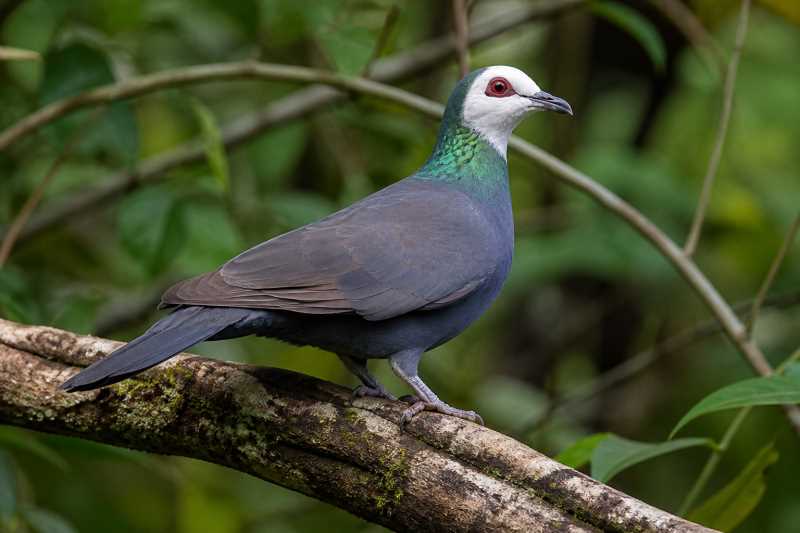
The White-faced Cuckoo-Dove is easily distinguishable by its striking plumage. As its name suggests, one of its most defining features is the white face, which contrasts sharply with the rest of its body. The bird exhibits a predominantly dark brown or greyish body, with subtle variations in shading that can be appreciated upon closer observation.
In addition to its white face, the dove has a relatively long tail and wings, which aid in its agile flight through the dense forest canopy. The eyes of the bird are a captivating shade of red, adding to its distinctive appearance. The overall size of the White-faced Cuckoo-Dove is moderate, making it a medium-sized bird within the Columbidae family.
Behavior and Diet
The White-faced Cuckoo-Dove is a primarily frugivorous bird, feeding on a variety of fruits and berries available in its forested habitat. Its diet plays a crucial role in seed dispersal, contributing to the health and regeneration of its forest ecosystem.
In terms of behavior, these doves are generally solitary or found in pairs, especially during the breeding season. They are known for their calm demeanor, often observed perched quietly on branches. However, they can also be seen engaging in swift, direct flights across the forest, displaying their agility and strength.
Breeding and Lifespan
Breeding habits of the White-faced Cuckoo-Dove are not extensively documented, which is common among many species inhabiting remote or less studied regions. However, it is believed that they build simple nests using twigs and leaves, typically laying one or two eggs per breeding cycle. The incubation period and parental care specifics remain subjects for further research.
The lifespan of these birds, like many in the Columbidae family, is estimated to be around 5-10 years in the wild, though precise data is limited due to the challenges in long-term field studies in their natural habitat.
Conservation Status
The White-faced Cuckoo-Dove is currently classified as "Near Threatened" on the IUCN Red List. This status reflects the bird’s vulnerability to habitat loss and degradation, primarily due to deforestation and land conversion for agriculture and human settlement.
Sulawesi’s forests, like many in Indonesia, face significant pressures from logging, mining, and agricultural expansion. These activities not only reduce the available habitat for the White-faced Cuckoo-Dove but also fragment the forest, impacting its ability to forage and breed successfully.
Conservation efforts are crucial to ensure the survival of this unique species. Protecting large swathes of its natural habitat through the establishment of reserves and promoting sustainable land-use practices are essential strategies. Additionally, further research into its ecology and behavior can provide valuable insights that inform conservation planning.
The Challenges Ahead
The future of the White-faced Cuckoo-Dove is inherently linked to the broader environmental challenges faced by Indonesia. Climate change, deforestation, and biodiversity loss represent significant threats not only to this species but to the entire ecosystem it inhabits.
Efforts to mitigate these threats require a concerted approach involving government agencies, conservation organizations, and local communities. Public awareness and education about the importance of preserving Indonesia’s rich biodiversity can also play a vital role in fostering a culture of conservation.
Conclusion
The White-faced Cuckoo-Dove is a remarkable symbol of Sulawesi’s unique natural heritage. Its striking appearance and ecological role underscore the importance of protecting the habitats that sustain it. As we continue to learn more about this enigmatic bird, it is our responsibility to ensure that it remains a vibrant part of Indonesia’s avian landscape for generations to come.
In conclusion, the White-faced Cuckoo-Dove serves as a reminder of the intricate and delicate balance of nature. Protecting it not only preserves a single species but also contributes to the health and resilience of the broader ecosystem it inhabits.
Related posts