The Lesser Antillean Flycatcher: A Jewel of the Caribbean Avifauna
The Caribbean archipelago is renowned for its stunning biodiversity, with each island boasting unique ecosystems and a variety of endemic species. Among these is the Lesser Antillean Flycatcher (Myiarchus oberi), a bird that, while not as flamboyant as some of its feathered neighbors, plays a crucial role in the ecological tapestry of the region. This article explores the characteristics, habitat, behavior, and conservation status of this fascinating species.
Characteristics and Identification
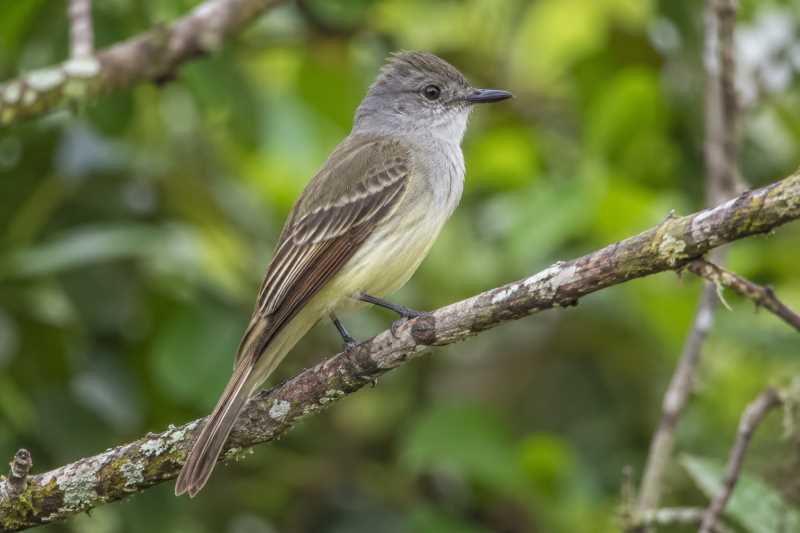
The Lesser Antillean Flycatcher is a member of the Tyrannidae family, which includes a diverse array of flycatchers spread across the Americas. It is a medium-sized bird, measuring approximately 18 to 20 centimeters in length. The plumage of the Lesser Antillean Flycatcher is relatively understated, featuring olive-brown upperparts, a pale yellowish belly, and a distinctive rufous tail, which is often a key identification marker in the field.
One of the most striking features of the Lesser Antillean Flycatcher is its vocalization. The bird’s call is a sharp, distinctive "wheep" or "whit," which can often be heard echoing through the forests and woodlands where it resides. These calls play a vital role in territory establishment and maintenance, as well as in attracting mates during the breeding season.
Habitat and Distribution
Endemic to the Lesser Antilles, the Lesser Antillean Flycatcher can be found on several islands including Saint Lucia, Dominica, Montserrat, and Guadeloupe. Its preferred habitats are subtropical or tropical moist lowland forests, although it can also be found in montane forests and sometimes in more open areas such as plantations and gardens.
The bird’s presence across multiple islands provides an excellent example of how species can adapt to different environments. Despite variations in vegetation and climate from one island to another, the Lesser Antillean Flycatcher has managed to thrive by exploiting a variety of niches within these ecosystems.
Behavior and Diet
The Lesser Antillean Flycatcher is primarily insectivorous, feeding on a wide range of insects and arthropods. It employs a typical flycatcher hunting technique known as "sallying," where it perches quietly before darting out to catch prey mid-air. This method not only highlights the bird’s agility and keen eyesight but also its critical role in controlling insect populations.
In addition to insect hunting, the Lesser Antillean Flycatcher may occasionally feed on small fruits, especially when insects are less abundant. This dietary flexibility is one of the factors contributing to the bird’s success across different habitats and conditions.
During the breeding season, which typically occurs in the spring, the Lesser Antillean Flycatcher becomes more territorial and vocal. Males will sing to attract females and to ward off potential rivals. Nesting usually takes place in tree cavities or crevices, where the female lays two to four eggs. Both parents partake in feeding the chicks, showcasing a cooperative breeding strategy that increases the chances of offspring survival.
Conservation Status
As of the latest assessments, the Lesser Antillean Flycatcher is not considered to be at significant risk. The International Union for Conservation of Nature (IUCN) categorizes it as Least Concern, due to its relatively stable population and wide distribution across several islands. However, this does not mean the species is free from threats.
Habitat destruction, driven by deforestation and land conversion for agriculture and urban development, poses a significant risk to the flycatcher’s habitat. Furthermore, the introduction of invasive species, such as rats and cats, can lead to increased predation pressures. Climate change also presents potential long-term challenges, as shifting weather patterns and increased storm frequency could impact both habitat and food availability.
Conservation efforts for the Lesser Antillean Flycatcher include habitat protection and restoration initiatives. Island-specific conservation programs, aimed at preserving and rehabilitating natural forests, are vital for ensuring the continued survival of this species. Additionally, raising awareness about the importance of biodiversity and promoting eco-friendly practices can contribute to preserving the delicate balance of these island ecosystems.
Conclusion
The Lesser Antillean Flycatcher may not be the most visually striking bird in the Caribbean, but its ecological significance and adaptability make it a species worth celebrating. As with many endemic species, its future depends on the careful stewardship of its natural habitat. By understanding and appreciating the role of the Lesser Antillean Flycatcher within its environment, conservationists and locals alike can work together to ensure that this remarkable bird continues to grace the skies of the Lesser Antilles for generations to come.
Related posts