The Enigmatic Beauty of the Pink Cockatoo: A Deep Dive into Cacatua leadbeateri
In the world of birds, few species captivate the imagination quite like the Pink Cockatoo, also known as Cacatua leadbeateri. With its striking plumage and charismatic behavior, this bird stands out as a marvel of avian beauty and an emblem of the Australian wilderness. This article explores the fascinating aspects of the Pink Cockatoo, from its physical characteristics and habitat to its behavior and conservation status.
Physical Characteristics
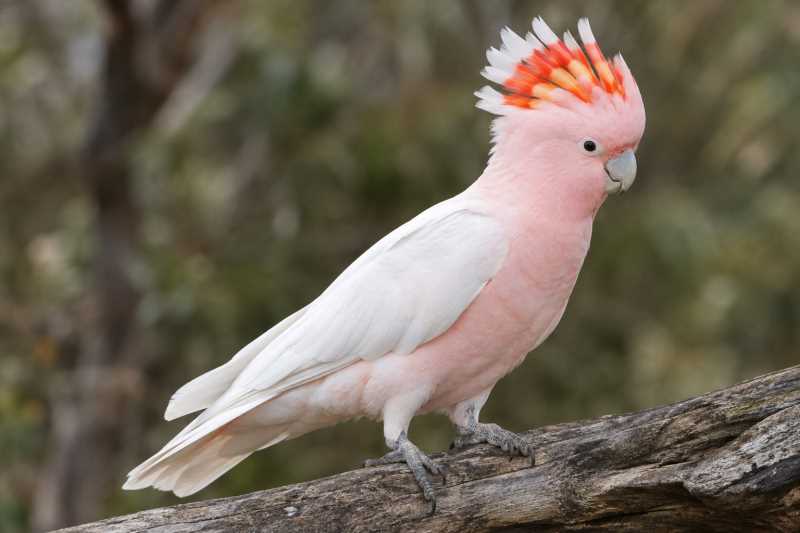
The Pink Cockatoo is a medium-sized parrot, typically measuring between 35 to 40 centimeters in length, with a wingspan reaching up to 90 centimeters. One of the most distinguishing features of this species is its vibrant crest, which showcases shades of pink, yellow, and orange. When raised, the crest reveals these stunning colors, contrasting beautifully with the bird’s predominantly white and pale pink body. The striking coloration extends to their cheeks, which are also tinged with a rosy hue.
Males and females of the species are similar in appearance, though subtle differences can be noted upon closer inspection. Males tend to have slightly brighter plumage, while females may exhibit a more muted coloration. The eyes of the Pink Cockatoo are another notable feature, with males typically having dark brown eyes and females possessing reddish-brown eyes.
Habitat and Distribution
The Pink Cockatoo is native to arid and semi-arid regions of inland Australia. It inhabits open woodlands, scrublands, and areas near water sources such as rivers and lakes. These birds are well-adapted to the harsh conditions of their environment, relying on their intelligence and social structures to thrive.
Their distribution is primarily concentrated in central and western parts of Australia, including regions like Western Australia, South Australia, and the Northern Territory. However, their range is somewhat fragmented due to habitat loss and changes in land use, which have impacted their natural habitats.
Behavior and Diet
Pink Cockatoos are known for their gregarious nature and are often observed in pairs or small flocks. They are highly social birds, engaging in playful interactions and displaying a range of vocalizations, including whistles, squawks, and mimicry. This vocal dexterity not only serves as a means of communication within the flock but also plays a role in courtship and bonding.
Their diet is diverse, consisting mainly of seeds, nuts, fruits, and berries. They have a particular fondness for the seeds of native eucalyptus trees, which are abundant within their habitat. Additionally, they may forage on the ground for insects and larvae, supplementing their diet with protein-rich sources.
Breeding and Lifespan
The breeding season for Pink Cockatoos generally occurs between August and December. During this time, they engage in elaborate courtship displays, with males showcasing their colorful crests and performing aerial acrobatics to attract a mate. Once a pair bond is established, the female typically lays two to four eggs in a tree hollow, where she incubates them for approximately 25 days.
Both parents share the responsibility of feeding and caring for the chicks, which fledge after about eight weeks. The family unit often remains together for several months after fledging, allowing the young to learn essential survival skills from their parents.
In the wild, Pink Cockatoos can live up to 40 years, although this lifespan may be significantly reduced in captivity due to various factors, including inadequate diet and environmental stressors.
Conservation Status
The Pink Cockatoo is currently listed as Least Concern by the International Union for Conservation of Nature (IUCN). However, the species faces several threats that could impact its long-term survival. Habitat destruction due to agricultural expansion, mining, and urban development poses significant challenges. Additionally, illegal trapping for the pet trade has historically affected their populations, although this practice has decreased in recent years due to stricter regulations.
Conservation efforts are focused on habitat preservation and restoration, as well as raising awareness about the species and the importance of protecting Australia’s unique biodiversity. Continued research and monitoring are crucial to ensure that the Pink Cockatoo thrives in its natural habitat for generations to come.
Conclusion
The Pink Cockatoo is a remarkable species that embodies the beauty and resilience of Australia’s avian fauna. Its vibrant appearance and engaging behavior make it a favorite among bird enthusiasts and conservationists alike. By understanding and addressing the challenges faced by this species, we can play a part in safeguarding its future and preserving the rich tapestry of life that inhabits our planet.
In summary, the Pink Cockatoo is not just a bird of striking beauty but also a symbol of the delicate balance of nature. Protecting its habitat and ensuring its survival is a testament to our commitment to conserving the natural world and its myriad wonders.
Related posts