The Satin Swiftlet: An Avian Marvel of Southeast Asia
The Satin Swiftlet (Collocalia uropygialis) is a fascinating bird species that has captivated ornithologists and birdwatching enthusiasts alike. Native to the lush, tropical regions of Southeast Asia, this avian marvel is renowned for its unique nesting habits, remarkable flying abilities, and intriguing social behaviors. With a growing interest in avian biodiversity, understanding the Satin Swiftlet’s ecological role and conservation status has never been more critical.
Taxonomy and Morphology
The Satin Swiftlet belongs to the family Apodidae, which comprises small to medium-sized birds known for their exceptional aerial skills. Within this family, the genus Collocalia includes several swiftlet species, each with distinct characteristics. The Satin Swiftlet, identified scientifically as Collocalia uropygialis, is particularly noted for its satin-like sheen on its plumage, which gives it its common name.
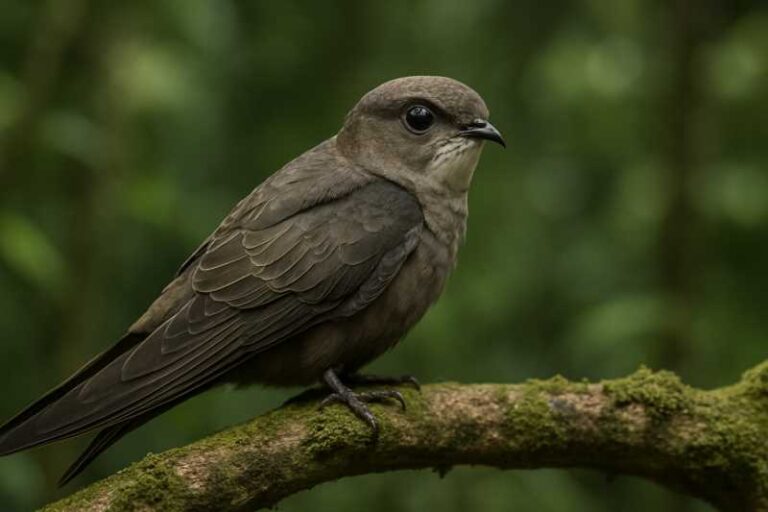
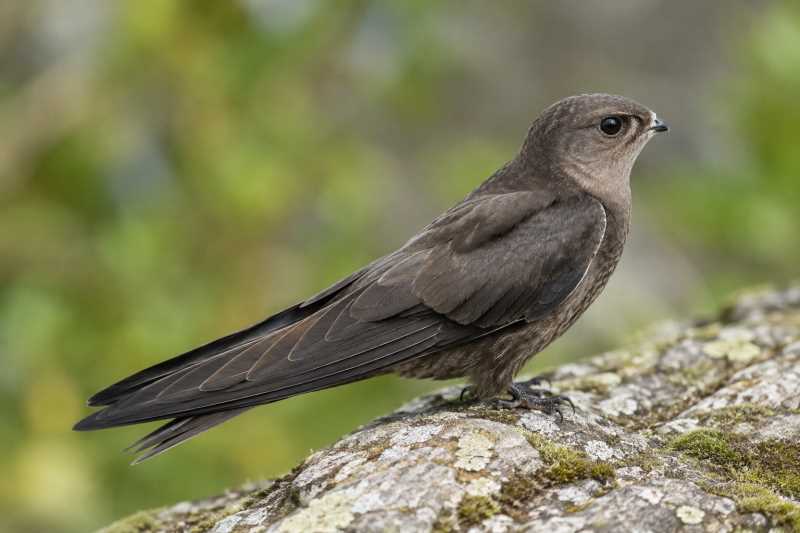
Typically, the Satin Swiftlet measures about 10 to 12 centimeters in length with a wingspan of approximately 25 centimeters. Its plumage is predominantly dark with a glossy, satiny texture that appears iridescent under sunlight. This sheen is a result of the microstructure of the feathers, which refract light in a way that creates a metallic luster. The bird’s streamlined body and long, narrow wings are perfectly adapted for swift, agile flight, allowing it to maneuver deftly in pursuit of insects, its primary food source.
Habitat and Distribution
The Satin Swiftlet is indigenous to the tropical and subtropical forests of Southeast Asia, with significant populations found in countries like Indonesia, Malaysia, and the Philippines. These birds are highly adaptable and can thrive in various environments, from dense rainforests to urban areas with suitable nesting sites. They are non-migratory, meaning they reside in their preferred habitats year-round, although they may exhibit local movements in response to food availability.
Nesting and Reproduction
One of the defining features of the Satin Swiftlet is its nesting behavior. Unlike many birds that use twigs and leaves to construct their nests, the Satin Swiftlet uses its saliva to build cup-shaped nests on vertical surfaces, such as cave walls or under the eaves of buildings. This saliva hardens upon exposure to air, creating a sturdy structure that supports the incubation of eggs.
The nesting process is a communal affair, with colonies often comprising hundreds of individuals. This social nesting strategy provides several advantages, such as enhanced protection from predators and increased thermoregulation during incubation. The female typically lays one to two eggs per breeding season, which are incubated for about 18 to 20 days before hatching. Both parents share the responsibilities of incubation and feeding the hatchlings, which fledge around 35 days after hatching.
Feeding and Behavior
Satin Swiftlets are insectivorous, feeding primarily on flying insects, which they catch in mid-air using their wide, gaping mouths. Their diet mainly consists of ants, flies, and other small arthropods, which they hunt during their swift, acrobatic flights. This feeding behavior underscores the importance of swiftlets in controlling insect populations, thus maintaining ecological balance in their habitats.
In addition to their remarkable flight capabilities, Satin Swiftlets are known for their echolocation abilities, a trait they share with only a few other bird species, such as certain species of owls. They emit a series of clicking sounds that bounce off surfaces, enabling them to navigate and hunt efficiently in the dimly lit environments of caves, where they often roost and nest.
Conservation and Threats
While the Satin Swiftlet is currently classified as Least Concern on the IUCN Red List due to its wide distribution and stable population trends, it faces several challenges that could impact its conservation status. Habitat destruction due to deforestation and urbanization poses a significant threat, potentially reducing the availability of suitable nesting sites and food resources.
Moreover, the harvesting of swiftlet nests, particularly for the bird’s nests used in traditional Chinese medicine and cuisine, has raised conservation concerns. Although the nests of the Satin Swiftlet are not as highly prized as those of the edible-nest swiftlet (Aerodramus fuciphagus), increased demand could lead to unsustainable harvesting practices.
Efforts to conserve the Satin Swiftlet focus on habitat protection, sustainable nest harvesting practices, and raising awareness about the ecological role of these remarkable birds. Conservationists advocate for the establishment of protected areas and the implementation of community-based management strategies to ensure the long-term survival of Satin Swiftlet populations.
Conclusion
The Satin Swiftlet is an extraordinary species that embodies the wonders of avian diversity in Southeast Asia. Its unique adaptations, from its glossy plumage to its sophisticated echolocation abilities, make it a subject of great interest for scientists and nature enthusiasts. As we continue to explore and understand the delicate balance of ecosystems, the conservation of species like the Satin Swiftlet becomes paramount. By preserving their habitats and promoting sustainable practices, we can ensure that future generations will continue to marvel at these incredible birds.
Related posts