Przevalski’s Partridge: A Glimpse into the Life of Alectoris magna
Przevalski’s Partridge, scientifically known as Alectoris magna, is a captivating avian species that has intrigued ornithologists and bird enthusiasts alike. Native to the rugged terrains of Central Asia, particularly in countries such as China, this bird is a fascinating subject of study due to its unique behaviors and adaptations to harsh environments.
Taxonomy and Etymology
Belonging to the family Phasianidae, Przevalski’s Partridge is closely related to other partridge species, sharing common traits yet exhibiting distinct differences. The species was named in honor of the Russian explorer Nikolai Przhevalsky, who made significant contributions to the exploration of Central Asia in the 19th century. The genus name, Alectoris, is derived from the Greek word for "cock," reflecting its game bird status.
Physical Characteristics
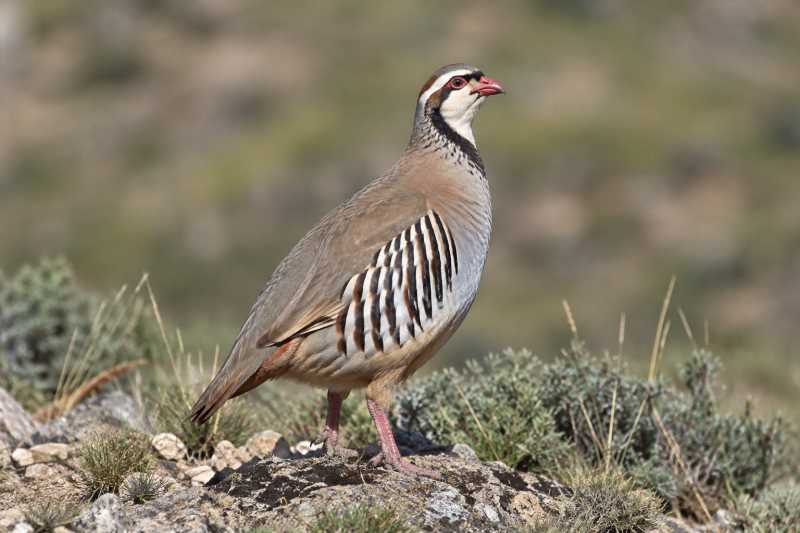
Alectoris magna is a medium-sized bird, measuring approximately 30 to 35 centimeters in length with a wingspan that ranges from 45 to 50 centimeters. The bird weighs between 400 to 600 grams, making it a robust species with a strong build. Its plumage is predominantly gray with a distinctive black band running across the eyes, creating a striking mask-like appearance. The underparts are a soft white, while the flanks are adorned with a series of rich, chestnut-colored bars. These features not only contribute to its aesthetic appeal but also serve as camouflage against predators in its native habitat.
Habitat and Distribution
Przevalski’s Partridge is primarily found in the mountainous regions of China, thriving in altitudes ranging from 1,500 to 4,500 meters. The species favors rocky slopes and shrubland environments, where it can forage for seeds, berries, and small insects. This preference for high-altitude, rocky habitats is a testament to its adaptability and resilience in the face of environmental challenges.
Behavior and Ecology
The social structure of Przevalski’s Partridge is characterized by small family groups, with coveys typically consisting of up to 20 individuals. These birds are known for their terrestrial habits, spending most of their time on the ground where they feed and nest. Despite their ground-dwelling nature, they are capable of short, rapid flights, especially when startled.
Przevalski’s Partridge is a diurnal species, most active during the early morning and late afternoon hours. Its diet is omnivorous, primarily composed of seeds and plant material, but it will opportunistically consume insects and other small invertebrates when available.
Reproduction and Lifespan
Breeding season for Przevalski’s Partridge occurs in the spring, with courtship displays involving elaborate calls and physical gestures. The female typically lays a clutch of 8 to 12 eggs in a shallow ground nest lined with vegetation. Incubation lasts about 24 to 26 days, during which the female is primarily responsible for keeping the eggs warm and protected.
The fledgling period is relatively short, with chicks becoming independent within a few months. The species’ lifespan in the wild can extend to 5 to 7 years, although predation and environmental factors can impact survival rates.
Conservation Status
Currently, Przevalski’s Partridge is not classified as a threatened species, but it faces challenges from habitat loss and human encroachment. Conservation efforts are focused on preserving its natural habitat and mitigating the impact of agricultural expansion and urban development. Monitoring population trends and habitat conditions is crucial to ensuring the long-term survival of this intriguing bird.
Conclusion
Przevalski’s Partridge, Alectoris magna, is a remarkable example of avian adaptation and resilience. Its ability to thrive in mountainous, rugged environments underscores the importance of preserving such habitats. As interest in this species grows, continued research and conservation efforts are essential to protect its future. By understanding the ecological role and behaviors of Przevalski’s Partridge, we can appreciate the intricate balance of nature and the need to safeguard our planet’s biodiversity.
Related posts