The Enigmatic Cinnamon-banded Kingfisher: A Jewel of the Avian World
Nestled in the lush tropical landscapes of Indonesia, the Cinnamon-banded Kingfisher (Todiramphus australasia) emerges as one of nature’s most enchanting avian species. With its striking plumage and elusive nature, this bird captivates both seasoned ornithologists and casual birdwatchers alike. As we delve into the world of this fascinating kingfisher, we uncover its unique characteristics, habitat preferences, and the conservation challenges it faces.
Distinctive Features and Behavior
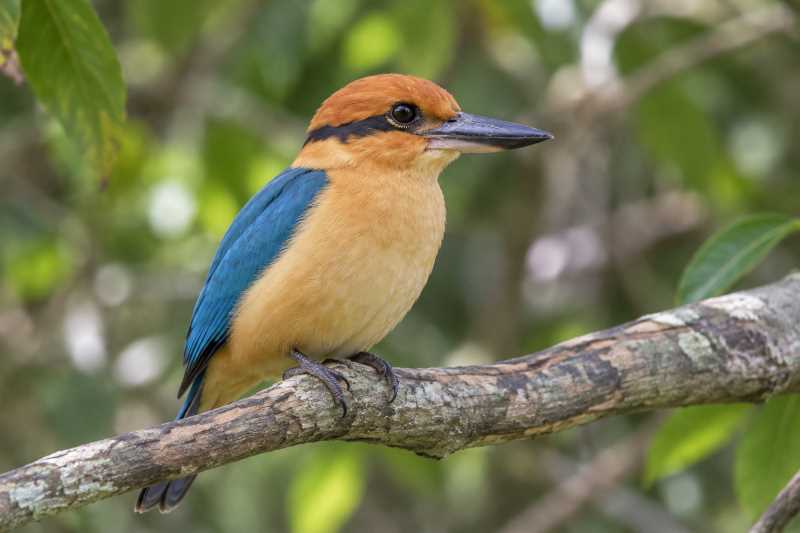
The Cinnamon-banded Kingfisher is a medium-sized bird, measuring approximately 23-25 centimeters in length. Its most distinguishing feature is the vivid cinnamon band that accentuates its chest, contrasting beautifully with its predominantly blue and white plumage. The upperparts are a vibrant cobalt blue, while the underparts are mostly white, offering a striking visual spectacle.
One of the most captivating aspects of the Cinnamon-banded Kingfisher is its behavior. These birds are known for their solitary and territorial nature, often found perched quietly on branches overlooking water bodies. This strategic position allows them to expertly dive for their preferred diet of fish and small aquatic invertebrates. Unlike many other kingfisher species, the Cinnamon-banded Kingfisher does not usually hover above water before diving but instead relies on its keen eyesight to spot prey from a distance.
Habitat and Distribution
Endemic to the islands of Indonesia, the Cinnamon-banded Kingfisher primarily inhabits lowland and submontane forests. It thrives in dense forests near streams, rivers, and mangroves, where it can find ample food and secluded nesting sites. The bird’s distribution is largely restricted to the islands of Sulawesi and surrounding smaller islands, making it a species of significant interest to conservationists.
The species’ preference for undisturbed forest habitats makes it particularly vulnerable to habitat destruction. Deforestation for agriculture, logging, and infrastructure development poses a considerable threat to its survival, as these activities lead to the fragmentation and degradation of its natural environment.
Reproduction and Lifespan
The breeding habits of the Cinnamon-banded Kingfisher are shrouded in mystery, largely due to the bird’s elusive nature and the inaccessibility of its natural habitat. However, it is believed that, like other kingfishers, this species nests in cavities, often burrowing into earth banks or using natural tree holes. The breeding season is thought to occur during the wet season, which provides an abundance of food for the newly hatched chicks.
Once the eggs are laid, both parents are actively involved in the incubation and feeding of the chicks. The commitment to parental care ensures a higher survival rate for the offspring, a crucial factor given the limited breeding opportunities and the challenges posed by their environment.
Conservation Status and Challenges
The Cinnamon-banded Kingfisher is classified as Near Threatened on the IUCN Red List, primarily due to habitat loss. The ongoing deforestation in Indonesia poses a significant risk to its habitat, and the bird’s limited range exacerbates its vulnerability.
Conservation efforts are crucial to ensure the survival of this species. Protected areas and national parks in Sulawesi offer some refuge, but more comprehensive strategies are needed to address the broader environmental threats. Initiatives focusing on habitat preservation, sustainable forestry practices, and community engagement are vital components of effective conservation strategies.
Additionally, raising awareness about the ecological importance of the Cinnamon-banded Kingfisher can foster a greater appreciation for the species and its role in maintaining healthy ecosystems. By highlighting its plight, conservation organizations can garner support for targeted actions aimed at preserving Indonesia’s rich biodiversity.
Conclusion
The Cinnamon-banded Kingfisher stands as a testament to the incredible diversity and splendor of Indonesia’s avian life. Its vivid colors and unique behaviors make it a fascinating subject for study and admiration. However, the threats it faces underscore the urgent need for concerted conservation efforts to ensure that future generations can continue to marvel at this remarkable bird.
As we reflect on the Cinnamon-banded Kingfisher’s place in the natural world, we are reminded of the intricate connections between species and their habitats. Protecting this bird is not just about preserving a single species, but about safeguarding the delicate balance of the ecosystems that sustain life on our planet.
Related posts