Introduction
The Chestnut-flanked Sparrowhawk, scientifically known as Aerospiza castanilius, is a captivating bird of prey that inhabits the lush forests and mountainous terrains of Southeast Asia. Known for its agility and striking plumage, this raptor plays a crucial role in the ecosystem, balancing populations of smaller birds and insects. This comprehensive article delves into the various aspects of the Chestnut-flanked Sparrowhawk, exploring its habitat, behavior, diet, and conservation status.
Habitat and Distribution
The Chestnut-flanked Sparrowhawk is predominantly found in the dense forests of Southeast Asia, spanning countries like Thailand, Vietnam, Malaysia, and Indonesia. These regions provide the ideal environment for this species, offering ample cover and an abundant food supply. The sparrowhawk thrives in altitudes ranging from sea level to montane forests, displaying remarkable adaptability to different terrains.
Physical Characteristics
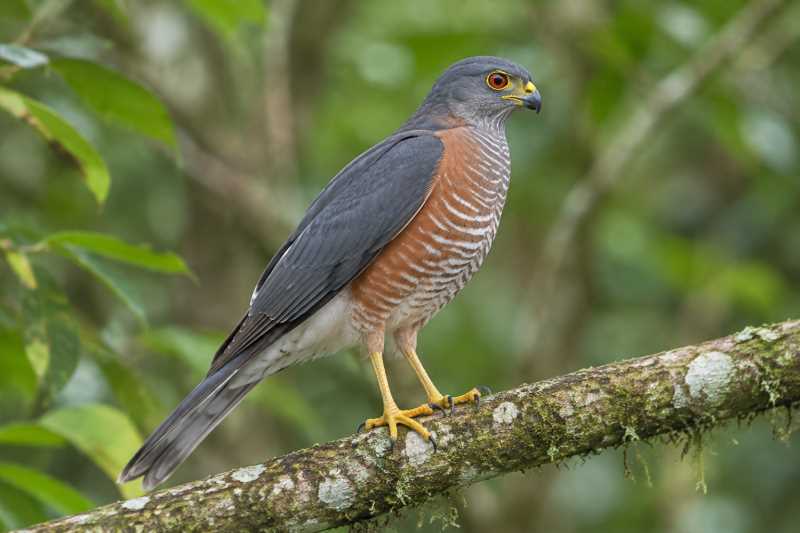
One of the most striking features of the Chestnut-flanked Sparrowhawk is its plumage. As its name suggests, it boasts a distinctive chestnut color on the flanks, which contrasts beautifully with its otherwise grey and white body. This coloration not only aids in camouflage within the forest canopy but also plays a role in mating displays. Adults typically have a slate-grey upper side, with a lighter underbelly marked with fine barring. The eyes are a piercing yellow, contributing to its keen predatory instincts.
Behavior and Hunting Techniques
The Chestnut-flanked Sparrowhawk is a master of stealth and speed. It employs a variety of hunting techniques, often using the cover of the dense forest to ambush its prey. Its diet mainly consists of small birds, mammals, and insects, which it captures with remarkable precision. The sparrowhawk is known for its swift and agile flight, enabling it to maneuver through trees and capture prey in mid-air.
During the breeding season, these birds exhibit fascinating courtship behaviors. Males often perform aerial displays, showcasing their agility and strength to attract potential mates. Nesting typically occurs high in the canopy, where the female lays a clutch of 2-4 eggs. Both parents share the responsibility of incubating the eggs and feeding the hatchlings.
Conservation Status
Currently, the Chestnut-flanked Sparrowhawk is not listed as endangered, but its populations face several threats that could impact their numbers in the future. Deforestation and habitat destruction due to logging and agricultural expansion pose significant risks. Additionally, the illegal wildlife trade, though not as prevalent for this species, can also affect their populations.
Conservation efforts are crucial to ensure the survival of this magnificent bird. Protecting their natural habitats and implementing sustainable forestry practices are essential steps. Additionally, raising awareness about the importance of raptors in maintaining ecological balance can aid in their conservation.
Ecological Role
As a predator, the Chestnut-flanked Sparrowhawk plays a vital role in controlling populations of smaller birds and insects, thereby maintaining the health of the ecosystem. By preying on weaker or sick individuals, they help ensure that prey populations remain robust and healthy. This natural control mechanism is essential in preventing overpopulation and the potential spread of diseases.
Conclusion
The Chestnut-flanked Sparrowhawk is a remarkable bird of prey, embodying the beauty and complexity of nature. Its role in the ecosystem, combined with its unique physical attributes and behaviors, makes it a subject of great interest for ornithologists and nature enthusiasts alike. While not currently endangered, proactive conservation measures are necessary to preserve this species for future generations. By understanding and appreciating the importance of such raptors, we can better protect and cherish the natural world around us.
References
- BirdLife International (2023). "Aerospiza castanilius". The IUCN Red List of Threatened Species.
- Forsman, D. (2016). Raptors of the World: A Field Guide. Bloomsbury Publishing.
- Ferguson-Lees, J., & Christie, D. A. (2001). Raptors of the World. Houghton Mifflin Harcourt.
Note
This article aims to provide a comprehensive overview of the Chestnut-flanked Sparrowhawk based on current knowledge and research. As with all wildlife species, ongoing studies and conservation efforts continue to enhance our understanding of these remarkable birds.
Related posts