Introduction
The Biak Coucal (Centropus chalybeus) is a fascinating bird species endemic to the Biak Island in Indonesia. Known for its distinctive call and striking plumage, this bird is a member of the Cuculidae family. The Biak Coucal is a symbol of the rich biodiversity of the Biak Island, which is part of the larger New Guinea region, one of the world’s most important biodiversity hotspots.
Taxonomy and Nomenclature
The Biak Coucal belongs to the genus Centropus, which is part of the cuckoo family, Cuculidae. This genus is known for its ground-dwelling habits and includes several species found in tropical and subtropical regions. The scientific name ‘Centropus chalybeus’ reflects the bird’s appearance, with ‘chalybeus’ meaning steel-blue, referencing its distinctive plumage.
Physical Characteristics
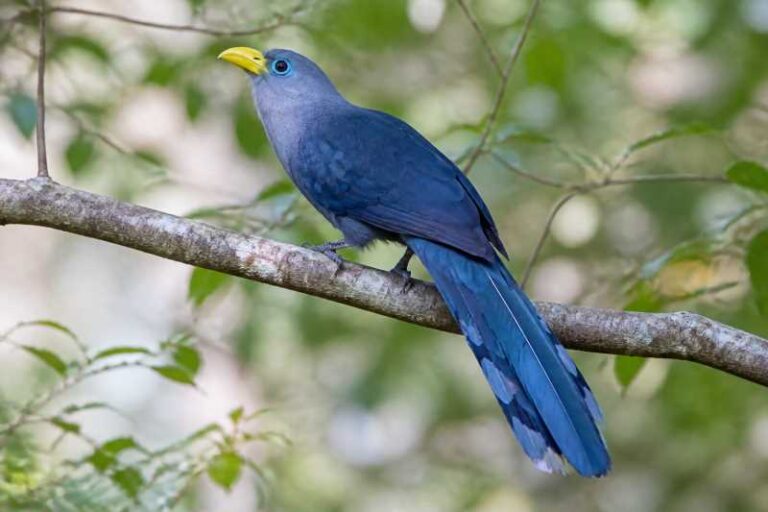
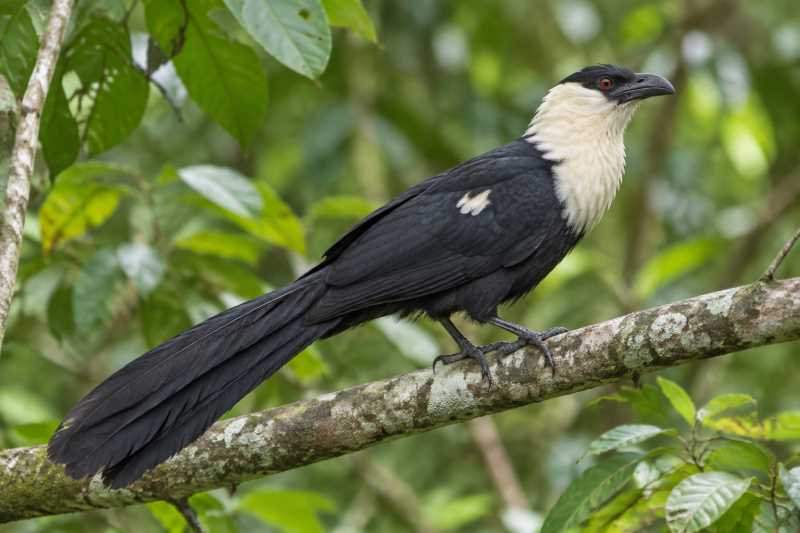
The Biak Coucal is a medium-sized bird, with a body length ranging from 40 to 50 cm. It has a robust body, strong legs, and a long tail, which is a characteristic feature of the genus Centropus. The plumage of the Biak Coucal is predominantly dark, with a glossy bluish-black color on the upperparts and a more subdued brownish hue on the underparts. Its eyes are striking red, which contrast vividly with its dark feathers.
Habitat and Distribution
This species is strictly endemic to the Biak Island and is primarily found in lowland forests, mangroves, and occasionally in secondary growth areas. The island’s lush, tropical environment provides an ideal habitat for the Biak Coucal, offering ample food resources and nesting sites.
Behavior and Ecology
Biak Coucals are known for their secretive nature and are often heard rather than seen. They are ground foragers, feeding on a varied diet that includes insects, small vertebrates, and occasionally fruits and seeds. Their foraging behavior is characterized by slow, deliberate movements as they search for prey among the forest floor litter.
These birds are also known for their distinctive calls, which are a series of deep, resonant coos. The call of the Biak Coucal is often used to establish territory and attract mates. During the breeding season, these calls become more frequent and can be heard throughout the forest.
Reproduction and Lifespan
Biak Coucals are monogamous, forming long-term pair bonds. They are known for their unique nesting habits, building large, dome-shaped nests on the ground or in low shrubs. These nests are constructed from twigs, leaves, and grasses, providing a secure environment for their eggs and chicks.
The breeding season of the Biak Coucal typically coincides with the rainy season, ensuring ample food supply for the growing chicks. The female lays a clutch of two to four eggs, which both parents incubate. After hatching, the chicks are cared for by both parents until they are ready to fledge.
Conservation Status
The International Union for Conservation of Nature (IUCN) currently lists the Biak Coucal as Near Threatened. The primary threats to this species are habitat loss and degradation due to logging, agriculture, and human settlement expansion. Conservation efforts are crucial to ensure the survival of this unique species and the preservation of its natural habitat.
Conservation Efforts
Efforts to conserve the Biak Coucal include habitat protection, research, and community engagement. Protecting the remaining forested areas on Biak Island is critical for the survival of this species. Additionally, raising awareness among local communities about the importance of biodiversity and sustainable practices can help mitigate some of the threats faced by the Biak Coucal.
Researchers are also working to gather more data on the population size, distribution, and ecology of the Biak Coucal to inform conservation strategies. Establishing protected areas and implementing sustainable land-use practices are among the recommended actions to preserve this species and its habitat.
Conclusion
The Biak Coucal is a remarkable bird that plays a significant role in the ecological balance of its native island. As a species endemic to a single island, it is particularly vulnerable to environmental changes and human activities. Conservation efforts must focus on habitat preservation and sustainable development to ensure that future generations can continue to enjoy the presence of this unique bird.
Final Thoughts
The Biak Coucal serves as a reminder of the incredible biodiversity found in Indonesia and the importance of protecting these natural treasures. Through concerted conservation efforts and increased awareness, we can help ensure a future for the Biak Coucal and the rich array of life with which it shares its home.
References
- BirdLife International. (2022). Centropus chalybeus. The IUCN Red List of Threatened Species 2022.
- Beehler, B. M., Pratt, T. K., & Zimmerman, D. A. (1986). Birds of New Guinea. Princeton University Press.
- Payne, R. B. (2005). The Cuckoos. Oxford University Press.
Acknowledgments
Special thanks to the conservation organizations and researchers who continue to study and protect the Biak Coucal and its habitat. Their dedication is vital to the ongoing efforts to preserve this unique species.
Related posts