Outcrop Sabrewing: The Elusive Jewel of Brazilian Hummingbirds
In the vast tapestry of avian biodiversity, few birds capture the imagination quite like the Outcrop Sabrewing (Campylopterus calcirupicola). Discovered relatively recently, this rare hummingbird species is a testament to nature’s relentless capacity for wonder and surprise. Known for its striking appearance and unique habitat, the Outcrop Sabrewing has become a focal point for ornithologists and conservationists alike.
Discovery and Classification
The Outcrop Sabrewing was first described in 2017 by ornithologists working in the rugged terrains of Brazil. Its discovery marked a significant addition to the Campylopterus genus, a group known for its medium to large hummingbirds with distinctive sabre-like wing shapes. This particular species, calcirupicola, derives its name from the limestone outcrops that form its primary habitat in the Espinhaço Range of eastern Brazil.
Physical Characteristics
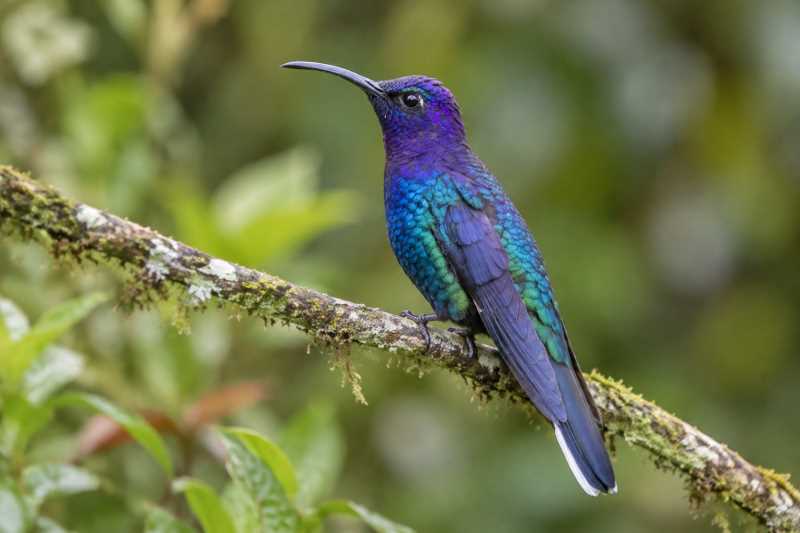
The Outcrop Sabrewing is a medium-sized hummingbird, measuring approximately 12 to 13 centimeters in length. Its most distinguishing features include a vibrant iridescent green plumage that shimmers in the sunlight, a characteristic shared with its close relatives. The bird’s tail feathers are a striking combination of blue and black, creating a vivid contrast against its predominantly green body. The sabrewing gets its name from the shape of its primary flight feathers, which are slightly curved, resembling a sabre.
Habitat and Behavior
This hummingbird is endemic to the Espinhaço Range, a region characterized by its unique rocky outcrops and diverse plant life. The Outcrop Sabrewing thrives in these specific conditions, favoring areas with abundant flowering plants, which provide the necessary nectar for its diet. These birds are known for their territorial behavior, often aggressively defending their feeding grounds from intruders.
Flight plays a crucial role in the life of the Outcrop Sabrewing. Its agile and rapid movements allow it to navigate the craggy landscapes with ease, showcasing remarkable adaptations to its environment. Observations have noted its preference for feeding during the cooler parts of the day, likely an adaptation to avoid the intense midday heat of its habitat.
Conservation Status
As of now, the Outcrop Sabrewing is classified as Endangered by the International Union for Conservation of Nature (IUCN). This classification is primarily due to its limited range and the ongoing threats to its habitat, including mining activities and habitat fragmentation. Conservation efforts are underway to protect this unique species, focusing on habitat preservation and environmental education initiatives.
The Role of the Outcrop Sabrewing in Ecosystems
Beyond its beauty, the Outcrop Sabrewing plays a vital role in its ecosystem. As a pollinator, it contributes to the reproduction of several native plant species. The bird’s feeding habits involve transferring pollen from one flower to another, facilitating cross-pollination and thus ensuring genetic diversity among plant populations. This interaction underscores the interconnectedness of species within their ecosystems and highlights the potential cascading effects if the Outcrop Sabrewing were to decline.
Challenges and Future Research
One of the primary challenges in studying the Outcrop Sabrewing is its elusive nature. Its preference for remote and rugged habitats makes it difficult to observe and track. However, advancements in technology, such as drone surveillance and GPS tracking, offer promising avenues for future research. Scientists are particularly interested in understanding the bird’s migratory patterns, breeding behaviors, and population dynamics.
Future research will also focus on the impact of climate change on the Outcrop Sabrewing’s habitat. As temperatures rise and weather patterns shift, the delicate balance of its ecosystem may be disrupted, posing additional threats to its survival.
Conclusion
The Outcrop Sabrewing is more than just a bird; it is a symbol of nature’s resilience and the intricate beauty of biodiversity. Its discovery has not only enriched our understanding of hummingbird diversity but also highlighted the urgent need for conservation efforts. Protecting the Outcrop Sabrewing requires a concerted effort from local communities, governments, and international organizations. By preserving its habitat and ensuring sustainable practices, we can help secure a future for this remarkable species and maintain the ecological balance of its environment.
In celebrating the Outcrop Sabrewing, we are reminded of the broader importance of preserving our planet’s natural wonders. Each species, no matter how small, plays a critical role in the tapestry of life, and it is our responsibility to ensure that they continue to thrive for generations to come.
Related posts