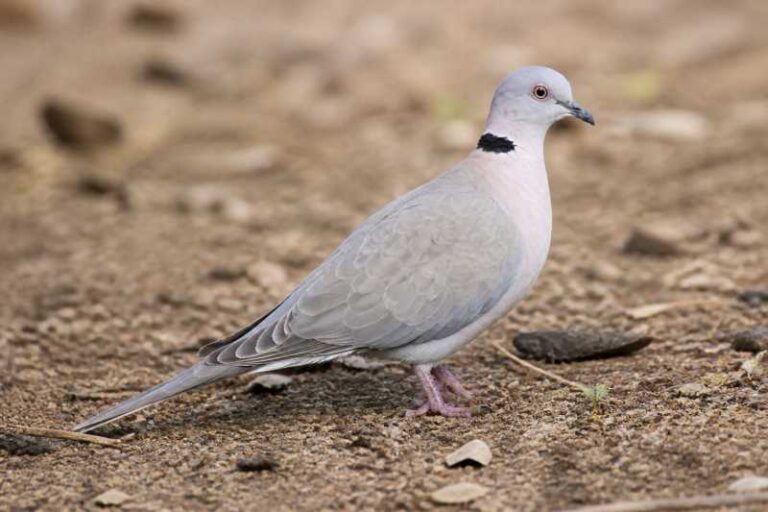
Understanding the White-crowned Forktail: Enigmatic Beauty of the Forests
The White-crowned Forktail (Enicurus leschenaulti) is a captivating bird species that continues to intrigue ornithologists and bird watchers alike. This enchanting bird, belonging to the Muscicapidae family, is renowned for its striking plumage, distinctive behavior, and melodious calls, making it a subject of great interest within the avian community. This article delves into the fascinating world of the White-crowned Forktail, exploring its habitat, physical characteristics, behavior, and conservation status.
Habitat and Distribution
The White-crowned Forktail is predominantly found in the dense, humid forests of Southeast Asia. Its range extends from the Himalayan foothills through Thailand, Malaysia, and Indonesia, reaching as far as the Philippines. These birds prefer subtropical or tropical moist lowland forests and montane forests, favoring areas near streams and rivers where they can find their primary source of food.
The bird’s affinity for water bodies is a defining feature of its habitat preference. The presence of clear, fast-flowing streams provides an ideal environment for these forktails, as they forage along the banks for insects and other small invertebrates. This habitat preference often brings them into contact with a variety of other bird species, creating a dynamic ecological community.
Physical Characteristics
The White-crowned Forktail is easily identifiable by its distinctive plumage and elegant appearance. It measures about 20 to 25 centimeters in length, including its long, forked tail that gives the bird its name. The tail is a striking feature, with alternating black and white bands that are particularly noticeable in flight.
The bird’s head is adorned with a prominent white crown, which contrasts sharply with its black face and upperparts. Its underparts are predominantly white, enhancing the contrast with its darker upper plumage. The combination of these features creates an exquisite appearance that is both eye-catching and unique to the species.
In addition to its stunning plumage, the White-crowned Forktail has strong legs and feet, adapted for hopping along rocky streambeds and forest floors. Its bill is slender and slightly curved, perfectly suited for catching insects and other small prey.
Behavior and Ecology
White-crowned Forktails are known for their active and agile behavior. They are often seen foraging alone or in pairs, constantly on the move as they search for food. Their diet primarily consists of insects, including beetles, ants, and caterpillars, as well as small crustaceans and other invertebrates found in their riparian habitats.
The species is also noted for its melodious song, which is a series of clear, musical whistles. These vocalizations play an essential role in communication between individuals, particularly during the breeding season. Males are known to sing more frequently during this time to establish territories and attract mates.
Breeding typically occurs during the wetter months, when food resources are abundant. The nest is usually constructed in a sheltered location, such as a crevice in a stream bank or among rocks, where it is well-protected from predators. Both parents participate in incubating the eggs and feeding the fledglings, demonstrating a cooperative breeding strategy that enhances the chances of reproductive success.
Conservation Status
Currently, the White-crowned Forktail is classified as a species of Least Concern by the International Union for Conservation of Nature (IUCN). This classification indicates that the species is relatively widespread and abundant, with no immediate threat of population decline.
However, like many forest-dependent species, the White-crowned Forktail faces potential threats from habitat destruction and fragmentation. Deforestation for agriculture, logging, and infrastructure development could impact their habitats, leading to localized declines in population.
Conservation efforts focused on preserving natural forest habitats are crucial for ensuring the continued survival of this and many other forest-dwelling species. Protected areas and national parks play a vital role in conserving the biodiversity of Southeast Asia, providing a safe haven for the White-crowned Forktail and other wildlife.
Conclusion
The White-crowned Forktail is a testament to the rich biodiversity of Southeast Asia’s forests. Its striking appearance, engaging behavior, and melodious song make it a beloved species among bird enthusiasts. While it currently enjoys a stable population, continued conservation efforts are necessary to protect its natural habitat from the encroaching threats of human activity.
Through ongoing research and conservation initiatives, we can ensure that future generations have the opportunity to marvel at the beauty and charm of the White-crowned Forktail, preserving its place in the intricate tapestry of our planet’s avian diversity.
Related posts