Introduction
The Asian Stubtail (Urosphena squameiceps) is a small, elusive bird that belongs to the family Locustellidae, known for its unique behavioral patterns and adaptability to various habitats. This article aims to provide a comprehensive understanding of this intriguing avian species, covering its taxonomy, physical characteristics, habitat, distribution, behavior, diet, reproduction, and conservation status.
Taxonomy and Classification
The Asian Stubtail is classified under the order Passeriformes, which encompasses more than half of all bird species. The family Locustellidae, commonly referred to as grassbirds or grass warblers, is known for its members’ secretive nature and preference for dense undergrowth. The genus Urosphena is relatively small, with the Asian Stubtail being one of its most notable representatives.
Physical Characteristics
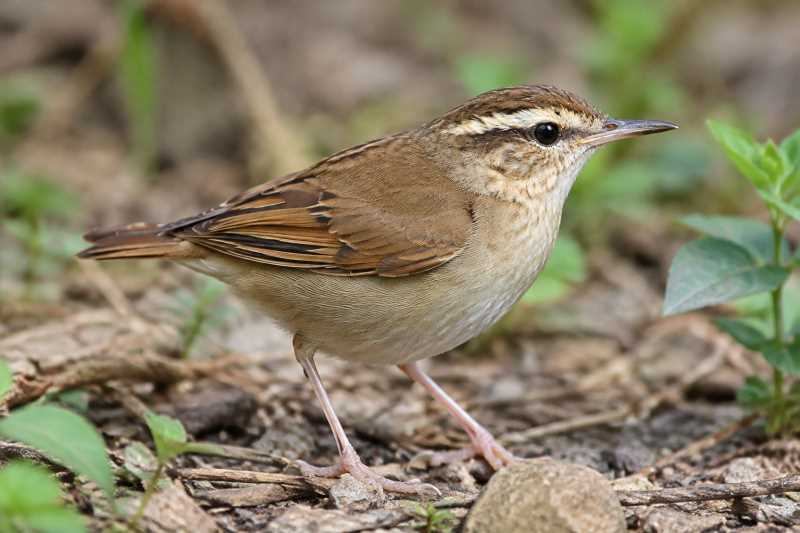
The Asian Stubtail is a diminutive bird, measuring approximately 10-12 centimeters in length. It is characterized by its short tail, which gives the bird its common name. The plumage is predominantly olive-brown with subtle streaks, aiding in camouflage among the forest floor and undergrowth. The bird’s underparts are a paler, creamy color, which contrasts with its darker upper body. Its legs are pinkish, and it has a conspicuous white eye-ring that enhances its facial features.
Habitat and Distribution
The Asian Stubtail inhabits a wide range of environments, from lowland forests to montane regions, showcasing its remarkable adaptability. It is predominantly found in East Asia, with its distribution spanning countries such as China, Japan, Korea, and parts of Russia. During the breeding season, the bird prefers temperate forests with dense underbrush, while in the non-breeding season, it migrates to subtropical or tropical moist lowland forests.
Behavior and Ecology
Asian Stubtails are known for their secretive nature and are usually found foraging on the ground or low in the understory. They exhibit a skulking behavior, often remaining hidden from view, which makes them challenging to observe in the wild. Their song is a key identifier, consisting of a series of high-pitched, musical notes that can be heard during the breeding season.
The Asian Stubtail is primarily insectivorous, feeding on a diet of insects and other small invertebrates. It forages by picking prey from leaves, branches, and the forest floor, using its keen eyesight and agility to capture its meals.
Reproduction and Life Cycle
The breeding season of the Asian Stubtail varies depending on its geographical location but generally occurs in the spring and early summer. The species is monogamous, with pairs forming long-term bonds. Nests are typically constructed on or near the ground, using leaves, grass, and other plant materials. The female lays a clutch of 3-5 eggs, which are incubated for approximately two weeks. Both parents participate in feeding the chicks, which fledge about two weeks after hatching.
Conservation Status
Currently, the Asian Stubtail is listed as a species of Least Concern by the International Union for Conservation of Nature (IUCN). However, habitat loss due to deforestation and land conversion poses a potential threat to its populations. Conservation efforts focused on preserving natural habitats are crucial for ensuring the long-term survival of this species.
Conclusion
The Asian Stubtail is a testament to the diversity and adaptability of avian life in Asia. Its ability to thrive in various habitats and its distinctive behaviors make it a fascinating subject of study for ornithologists and bird enthusiasts alike. By understanding the ecological role and conservation needs of this species, we can contribute to the preservation of not only the Asian Stubtail but also the rich biodiversity of the regions it inhabits.
Related posts