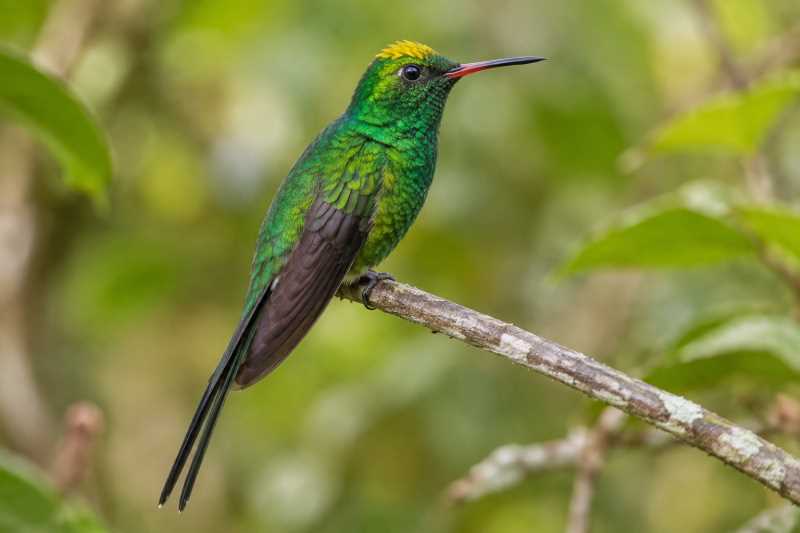
The Golden-crowned Emerald (Cynanthus auriceps), a small yet captivating species of hummingbird, is a marvel of the avian world. Known for its vibrant plumage and energetic behavior, this bird is a testament to the wonders of biodiversity found in its native habitats. Found primarily in the lush landscapes of Mexico, the Golden-crowned Emerald is a bird that fascinates ornithologists and birdwatchers alike, offering a glimpse into the intricate balance of nature.
Habitat and Distribution
The Golden-crowned Emerald is predominantly found in Mexico, specifically in areas ranging from the Pacific coast to the interior highlands. It thrives in a variety of habitats, including tropical dry forests, subtropical or tropical moist lowland forests, and heavily degraded former forests. Its adaptability to different environmental conditions is a crucial factor in its survival, allowing it to flourish in both pristine and altered landscapes.
Physical Characteristics
The Golden-crowned Emerald is a small bird, measuring about 8 to 10 centimeters in length. True to its name, the most distinctive feature of this species is the bright golden crown found on the males, which contrasts beautifully with their predominantly emerald green body. Females, while lacking the golden crown, showcase a similar emerald hue, though slightly duller, and they have white underparts. This sexual dimorphism is not just a spectacle of nature but also plays a role in mating rituals, where the males display their vibrant colors to attract females.
Behavior and Diet
As with many hummingbirds, the Golden-crowned Emerald is an energetic flier, capable of impressive aerial maneuvers. Its flight is characterized by rapid wing beats and the ability to hover in place, a skill that is essential for feeding. The diet of the Golden-crowned Emerald primarily consists of nectar, which it extracts from a variety of flowering plants using its specialized long bill and extendable tongue. This diet is supplemented by small insects and spiders, providing essential proteins and nutrients.
The bird’s role as a pollinator cannot be understated. As it flits from flower to flower, it inadvertently transfers pollen, playing a critical role in the reproduction of various plant species. This mutualistic relationship highlights the importance of the Golden-crowned Emerald within its ecosystem, contributing to the maintenance of biodiversity.
Breeding and Lifespan
Breeding for the Golden-crowned Emerald typically occurs during the rainy season when food resources are abundant. The female is solely responsible for nest building, incubation, and caring for the young. She constructs a small cup-shaped nest using plant fibers, spider silk, and other materials, carefully camouflaging it among the foliage. Clutch size usually consists of two white eggs, which she incubates for about 15 to 18 days.
Once hatched, the young are altricial, meaning they are born blind and without feathers, relying entirely on the mother for warmth and nourishment. The fledging period lasts approximately 20 to 26 days, after which the young birds leave the nest to fend for themselves.
Conservation Status
Currently, the Golden-crowned Emerald is classified as a species of Least Concern by the International Union for Conservation of Nature (IUCN). However, like many bird species, it faces threats from habitat loss and climate change. Deforestation and land conversion for agriculture are significant concerns, as they reduce the available natural habitat for the species.
Conservation efforts are essential to ensure that the Golden-crowned Emerald continues to thrive. Protecting its natural habitat and promoting sustainable land-use practices are crucial steps in preserving not only this species but the broader ecosystem of which it is a part.
Conclusion
The Golden-crowned Emerald is a striking example of the beauty and complexity of nature. Its vibrant colors, dynamic behavior, and ecological role underscore the importance of conserving our natural world. As we continue to study and protect this remarkable species, we gain a deeper understanding of the intricate web of life that sustains our planet.
For bird enthusiasts and conservationists, the Golden-crowned Emerald serves as both a symbol of the natural world’s resilience and a reminder of the ongoing need to protect the habitats that support such incredible biodiversity. By fostering awareness and supporting conservation initiatives, we can ensure that future generations will also have the opportunity to marvel at this jewel of the skies.
Related posts