The Dark-sided Flycatcher (Muscicapa sibirica): An Avian Jewel of the Old World
The Dark-sided Flycatcher, scientifically known as Muscicapa sibirica, is a fascinating bird species belonging to the family Muscicapidae. This small, inconspicuous bird has intrigued ornithologists and birdwatchers alike with its subtle beauty and elusive nature. Known for its migratory patterns and distinctive vocalizations, the Dark-sided Flycatcher represents a splendid example of the diverse avian life found across Asia.
Taxonomy and Classification
The Dark-sided Flycatcher is classified under the order Passeriformes, commonly referred to as perching birds or songbirds. Within the family Muscicapidae, the genus Muscicapa houses this particular species. The genus name, Muscicapa, is derived from Latin, meaning "fly-eater," which aptly describes the insectivorous diet of these birds.
Physical Description
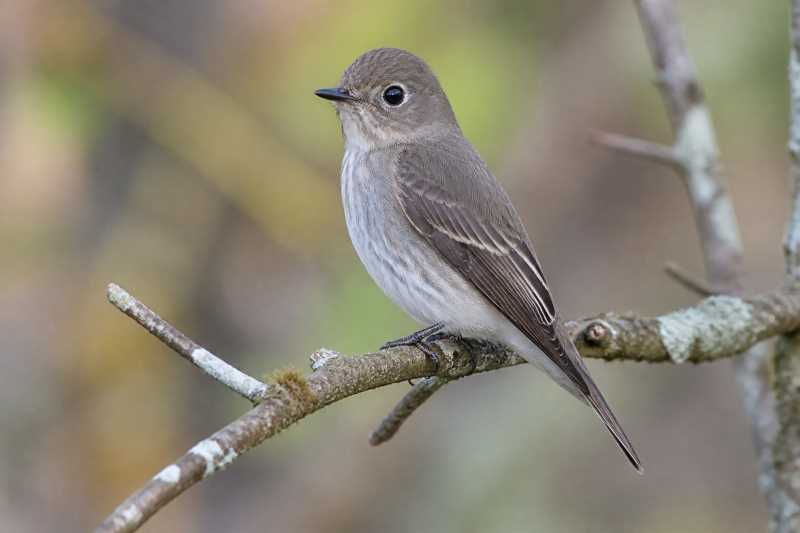
The Dark-sided Flycatcher is relatively small, measuring about 13 to 14 centimeters in length and weighing between 8 to 12 grams. It sports a predominantly grey-brown plumage that provides excellent camouflage against tree bark and foliage. Its underparts are paler, often with a whitish belly and faint streaks that can vary in prominence. The bird’s dark sides, from which it gets its name, appear as subtle smudges or streaks that run along its flanks.
Its wings are characterized by a slight barring, and the tail is squared with a subtle fork. One of the most distinctive features of the Dark-sided Flycatcher is its large, dark eyes, which give it a perpetually alert expression. This feature, combined with its short, straight beak, is perfectly adapted for catching insects mid-flight.
Habitat and Distribution
The Dark-sided Flycatcher is primarily found across the vast expanse of Asia. During the breeding season, it occupies a wide range in the temperate regions of Siberia, including parts of the Russian Far East, Mongolia, and northern China. It prefers dense, coniferous forests and mixed woodlands, where it can exploit the abundance of insects.
As a migratory species, the Dark-sided Flycatcher travels substantial distances to reach its wintering grounds in Southeast Asia. Countries such as Thailand, Malaysia, Indonesia, and the Philippines provide the warm tropical climate that supports its survival during the colder months.
Behavior and Ecology
The Dark-sided Flycatcher is a solitary bird outside the breeding season. Its behavior is characterized by its distinctive feeding strategy, which involves sallying forth from a perch to catch flying insects. This "sit-and-wait" tactic allows it to conserve energy while maximizing its hunting efficiency.
Breeding typically occurs between May and August. During this time, males establish territories and perform aerial displays accompanied by melodious calls to attract females. The female is responsible for building the nest, which is usually a small cup constructed from twigs, moss, and feathers, often situated on a tree branch or in a tree cavity.
The diet of the Dark-sided Flycatcher is predominantly insectivorous, consisting mainly of flies, beetles, and other small insects. However, it may occasionally consume small fruits and seeds, particularly during the non-breeding season when insects are less abundant.
Vocalizations
The vocal repertoire of the Dark-sided Flycatcher is notable for its complexity and variability. Its song is a series of melodious whistles, often described as sweet and clear. These vocalizations serve multiple purposes, including mate attraction and territory defense.
During migration and wintering, the Dark-sided Flycatcher remains relatively quieter but can still be identified by its sharp "chup" call, which it uses to communicate with other birds in its vicinity.
Conservation Status
Currently, the Dark-sided Flycatcher is listed as "Least Concern" by the International Union for Conservation of Nature (IUCN). Despite facing habitat loss due to deforestation and human encroachment, its wide range and relatively stable population numbers have prevented it from being classified as threatened.
Conservation efforts focus on preserving the natural habitats critical to its survival, particularly in breeding and wintering areas. Continued monitoring of population trends is essential to ensure that any potential threats are addressed promptly.
The Significance of the Dark-sided Flycatcher
The Dark-sided Flycatcher serves as a vital component of the ecosystems it inhabits. By controlling insect populations, it plays a crucial role in maintaining ecological balance. Its presence also indicates a healthy, biodiverse environment, making it an important species for conservationists and ecologists to monitor.
For birdwatchers and nature enthusiasts, the Dark-sided Flycatcher offers a delightful challenge. Its elusive nature and subtle beauty make observing this bird a rewarding experience. As such, it continues to captivate those who venture into its habitats, seeking glimpses of its understated grace.
In conclusion, the Dark-sided Flycatcher is a remarkable bird that exemplifies the rich avian diversity of the Old World. Its adaptation to a range of habitats, complex vocalizations, and intriguing behaviors make it a subject of continued interest and study. As we strive to protect the natural world, understanding and appreciating species like the Dark-sided Flycatcher becomes ever more essential.
Related posts