The Enigmatic White-lored Spinetail: A Closer Look at Synallaxis albilora
The White-lored Spinetail, scientifically known as Synallaxis albilora, is a fascinating bird species belonging to the family Furnariidae. This small passerine bird, distinguished by its unique plumage and behaviors, has captured the interest of ornithologists and bird enthusiasts alike. Native to South America, particularly within the Amazon Basin, the White-lored Spinetail is a species that thrives in subtropical and tropical environments.
Taxonomy and Classification
The White-lored Spinetail was first described in the 19th century and is classified under the genus Synallaxis. This genus is known for its diverse range of species, commonly referred to as Spinetails, which are characterized by their slender bodies and relatively long tails. Synallaxis albilora is one of the many species within this genus that showcases the remarkable biodiversity of the Neotropical region.
Physical Description
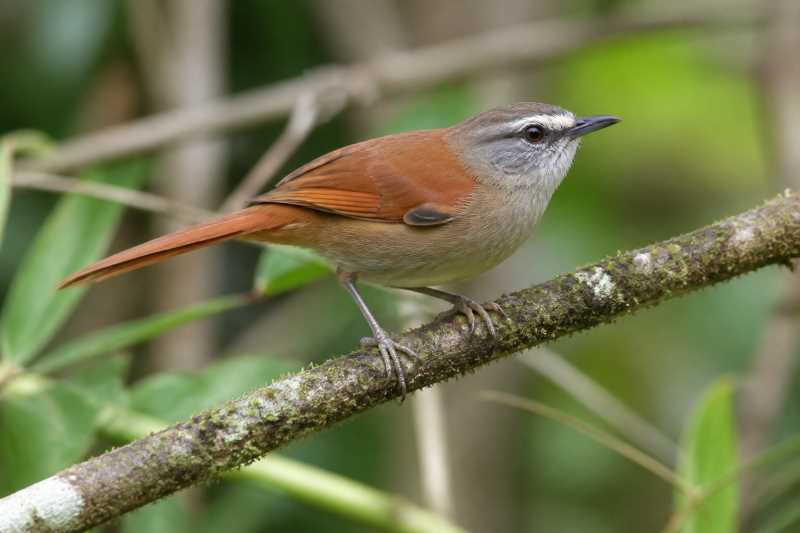
The White-lored Spinetail is notable for its modest size, measuring approximately 14 to 15 centimeters in length. Its plumage is primarily brown, with a rufous tail and distinct white lore – the area between the eye and the beak – which gives the bird its common name. The underparts are usually a lighter brown, providing a subtle contrast against the darker upper body. The bird’s long tail is often held upright, a characteristic feature of many spinetail species, aiding in its identification in the dense underbrush it frequently inhabits.
Habitat and Distribution
Synallaxis albilora is predominantly found in the lowland tropical forests of the Amazon Basin, including regions in Brazil, Bolivia, Peru, and Colombia. It prefers dense undergrowth near water bodies, such as rivers and streams, where it can find an abundance of insect prey. The bird’s habitat selection is closely tied to its feeding habits, as it forages primarily for insects among leaf litter and low vegetation.
Behavior and Ecology
The White-lored Spinetail is a highly active bird, often seen flitting through dense foliage in search of food. It is a solitary forager, though it may occasionally be observed in pairs during the breeding season. This species is known for its distinctive vocalizations, which include a series of high-pitched, repetitive notes that serve both territorial and mate-attraction purposes.
Nesting behavior in Synallaxis albilora is particularly interesting. The species constructs elaborate domed nests made of sticks and plant fibers, usually positioned low in bushes or trees. These nests provide secure environments for their eggs and chicks, protecting them from potential predators. The breeding season typically coincides with the rainy season, ensuring an ample food supply for the growing chicks.
Conservation Status
As of the latest assessments, the White-lored Spinetail is listed as a species of Least Concern by the International Union for Conservation of Nature (IUCN). Although its population is not precisely quantified, it is believed to be stable across its range. However, habitat destruction due to deforestation and land conversion for agriculture poses a potential threat to the species. Conservation efforts are essential to maintain the biodiversity of the Amazon Basin and protect the habitats of species like Synallaxis albilora.
Importance in Ecosystem
The White-lored Spinetail plays a crucial role in its ecosystem as an insectivore. By controlling insect populations, it helps maintain the ecological balance within its habitat. Additionally, as a prey species, it contributes to the diet of larger predators, further integrating into the food web of the Amazonian forests.
Observations and Study
Birdwatchers and researchers interested in observing the White-lored Spinetail often venture into the dense Amazonian forests where the bird resides. Its preference for dense, tangled vegetation makes it a challenging species to spot, but its distinctive calls often give away its presence. For ornithologists, studying this species provides insights into the adaptive strategies of birds in tropical environments, particularly regarding habitat selection, feeding behavior, and reproduction.
In conclusion, the White-lored Spinetail is a remarkable example of avian adaptation in the rich biodiversity of the Amazon Basin. Its unique characteristics and ecological role highlight the importance of preserving tropical habitats and understanding the complex interactions within these ecosystems. As conservation efforts continue to protect the Amazon’s diverse wildlife, the White-lored Spinetail remains a symbol of the intricate beauty and complexity of nature.
Related posts